
Trending articles

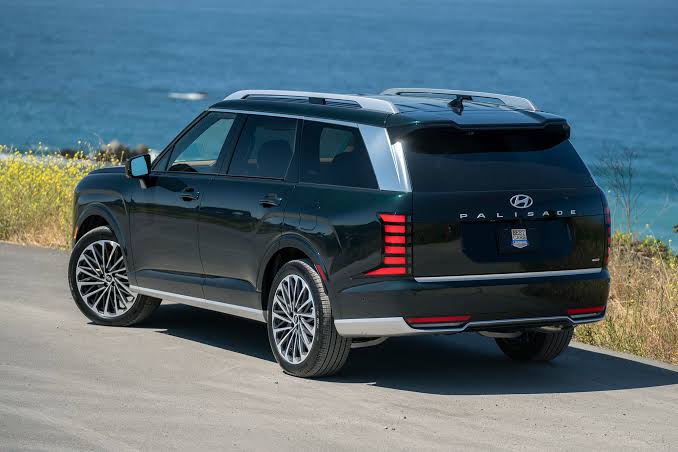
Before You Spend Thousands on a Luxury SUV, See What the Hyundai Palisade Offers for Less
Buying a luxury SUV can be exciting, but premium vehicles often come with substantial price tags. From advanced safety technology to comfortable seating and sophisticated interiors, many drivers want upscale features without stretching their budgets. The Hyundai Palisade is worth considering for buyers looking for a spacious, premium-inspired SUV at a potentially more affordable price than some traditional luxury-brand alternatives. With three-row seating, modern technology, and available comfort upgrades, the Palisade combines practicality with an upscale driving experience. But how much value does it really offer? Understanding its features, pricing, and ownership costs can help you decide whether it fits your budget. Experience Luxury-Inspired Features Without the Premium Badge One of the Hyundai Palisade's biggest attractions is its thoughtfully designed interior. Depending on the trim level, available features may include leather-trimmed seating, heated and ventilated seats, premium upholstery, and sophisticated cabin finishes. These features can create a comfortable environment for commuting, family travel, and longer road trips. Higher trims may offer additional conveniences, including: Premium audio systems Ambient interior lighting Power-adjustable seating Multi-zone climate control Available panoramic or dual-panel sunroof configurations Advanced infotainment displays Although some luxury-brand SUVs offer similar equipment, their pricing structures may differ considerably. Comparing actual features rather than brand names can help buyers identify better value. Spacious Three-Row Seating for Families Luxury SUVs often appeal to families who need passenger comfort and flexibility. The Hyundai Palisade offers three rows of seating, with configurations designed to accommodate multiple passengers. Depending on the model, buyers may choose between second-row captain's chairs and bench seating. Captain's chairs can improve third-row accessibility, while a bench configuration may provide additional passenger capacity. The Palisade also offers flexible cargo arrangements when rear seats are folded. Before purchasing, evaluate third-row comfort, child-seat compatibility, and available luggage space. A spacious interior can be valuable, particularly for households that regularly travel together. Explore Advanced Safety and Driver-Assistance Technology Safety features are an important consideration when purchasing any family SUV. The Hyundai Palisade offers a range of driver-assistance technologies, although availability varies by trim and configuration. Depending on the vehicle, features may include: Forward collision-avoidance assistance Blind-spot collision-avoidance assistance Lane-keeping assistance Adaptive cruise control Rear cross-traffic collision-avoidance assistance Available surround-view monitoring These systems can support driver awareness and convenience, but they do not replace responsible driving. Review the specific vehicle's standard and optional safety equipment before comparing it with more expensive SUVs. Compare Hyundai Palisade Prices With Luxury SUVs The purchase price is often where the Hyundai Palisade becomes especially interesting. Traditional luxury-brand SUVs may carry higher starting prices, particularly when equipped with three-row seating and premium interior features. However, pricing depends on the exact model, trim, equipment, and dealership. A well-equipped Palisade may cost less than certain comparably equipped luxury-brand alternatives, but this is not true for every comparison. When researching prices, consider: Manufacturer's suggested retail price Optional packages and accessories Dealer discounts or incentives Destination and documentation fees Applicable taxes and registration costs Request complete dealership quotes rather than relying only on advertised starting prices. Consider a Pre-Owned Hyundai Palisade for Additional Savings Buyers seeking a more affordable option may also consider a pre-owned Hyundai Palisade. Used vehicles can offer lower purchase prices because of depreciation, although actual savings depend on mileage, condition, age, and market demand. Certified pre-owned vehicles may include additional inspections or limited warranty benefits, depending on program eligibility. Before purchasing, review the vehicle history report, maintenance records, warranty status, and inspection findings. Comparing new and used inventory can help identify which option provides the best balance of features, price, and long-term ownership costs. Understand Financing and Monthly Ownership Costs An affordable purchase price does not always mean affordable ownership. Financing terms, insurance premiums, maintenance expenses, and fuel costs can affect your overall budget. When evaluating financing, compare interest rates, down payments, loan duration, and total repayment amounts. A longer loan may reduce monthly payments while increasing the total interest paid. Insurance quotes can also vary based on location, driving history, vehicle configuration, and coverage choices. Calculate the full ownership cost before deciding whether a particular Palisade fits your financial situation. Choose the Features That Matter Most Not every buyer needs the highest Hyundai Palisade trim. Some drivers prioritize comfortable seating and essential safety technology, while others prefer premium audio, upgraded upholstery, or additional convenience features. Review the differences between available trims and identify which upgrades justify their additional cost. A lower-priced configuration may provide everything your household needs without unnecessary spending. Taking a test drive can also help assess visibility, ride comfort, cabin noise, and everyday usability. Final Thoughts The Hyundai Palisade offers an appealing combination of premium-inspired styling, three-row practicality, modern safety technology, and available luxury features. For some buyers, it may provide a more affordable alternative to certain traditional luxury SUVs without sacrificing the features they value most. However, savings depend on the vehicles being compared, their equipment, and actual dealership pricing. Explore available trims, compare complete purchase quotes, and evaluate ownership expenses before making a decision. Choosing the right SUV is ultimately about finding the comfort, technology, and practicality you want at a price that makes sense for your budget.
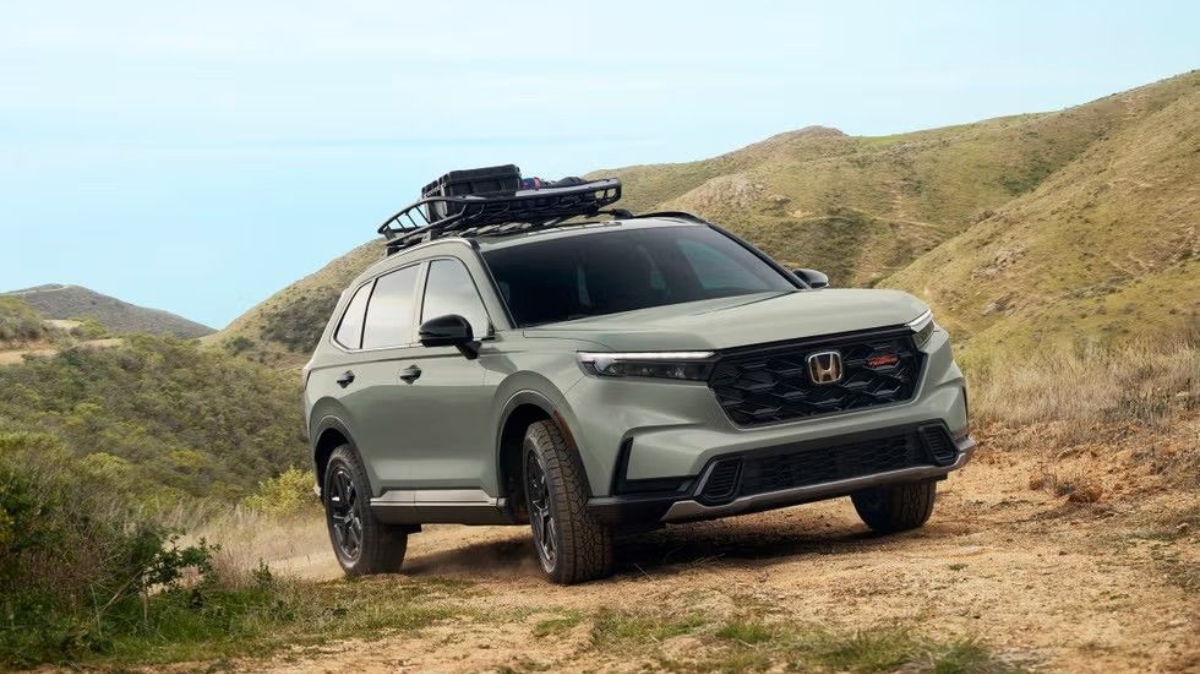
Thinking About Buying a Hyundai Palisade? See These Features First
The Hyundai Palisade is a popular three-row SUV designed for drivers who want a combination of comfort, spaciousness, modern technology, and premium styling. With its upscale cabin and family-friendly features, the Palisade offers an appealing alternative to many traditional luxury SUVs. However, choosing the right Hyundai Palisade involves more than looking at its exterior design or comparing dealership prices. Understanding its interior features, safety technology, seating arrangements, and available trim levels can help you decide whether it meets your needs. If you're considering buying a Hyundai Palisade, here are the important features worth exploring before making your purchase. Premium Interior and Luxury-Inspired Design One of the Hyundai Palisade's biggest attractions is its refined interior. Depending on the trim and configuration, the Palisade may offer leather-trimmed seating, premium upholstery, soft-touch surfaces, and carefully designed cabin details. Higher trim levels can include additional comfort features that create a more luxurious driving experience. Features worth comparing include: Available leather seating surfaces Heated and ventilated front seats Available heated second-row seating Power-adjustable front seats Ambient interior lighting Premium interior trim finishes These features can make daily commuting and longer journeys more comfortable. However, availability differs between trim levels, so reviewing the equipment list is important. Spacious Three-Row Seating for Families The Hyundai Palisade is designed to accommodate families and drivers who regularly travel with multiple passengers. Depending on the configuration, seating arrangements may include second-row captain's chairs or a bench seat. Captain's chairs can provide easier access to the third row, while a bench seat may accommodate an additional passenger. Before purchasing, consider the number of passengers you regularly transport and whether you need extra cargo space. It's also worth checking third-row legroom, child-seat compatibility, and how easily the rear seats fold. A dealership test drive can help determine whether the cabin meets your family's everyday requirements. Advanced Safety and Driver-Assistance Technology Safety technology is another important area to explore when comparing Hyundai Palisade models. Depending on the vehicle's configuration, available driver-assistance features may include: Forward collision-avoidance assistance Blind-spot monitoring or collision-avoidance assistance Lane-keeping and lane-following assistance Adaptive cruise control Rear cross-traffic collision-avoidance assistance Surround-view camera systems These technologies are designed to assist drivers, but they cannot prevent every accident or replace attentive driving. Some advanced systems are available only on selected trims. Review the specific vehicle's equipment and understand how each feature operates before purchasing. Infotainment and Connectivity Features Modern SUV buyers often prioritize technology that makes driving more convenient. The Hyundai Palisade offers infotainment and connectivity features that can vary by configuration. Depending on the model, available equipment may include a touchscreen display, smartphone integration, navigation, wireless device charging, and multiple USB charging ports. Some configurations also offer premium audio systems and additional connected-vehicle features. When visiting a dealership, test the infotainment interface and confirm compatibility with your smartphone. Consider whether the available technology supports your daily navigation, entertainment, and communication needs. Cargo Space and Everyday Practicality A spacious interior is useful, but cargo flexibility can be equally important. The Hyundai Palisade provides storage space behind its seating rows, with additional room available when rear seats are folded. This flexibility can be helpful for grocery shopping, luggage, sports equipment, and family travel. Before buying, check whether the cargo area accommodates the items you regularly carry. Also consider storage compartments, rear-seat folding mechanisms, and the convenience of loading larger objects. Practical features can make a noticeable difference in everyday ownership. Comfort Features for Long-Distance Driving Drivers planning frequent highway trips may appreciate the Palisade's available comfort and convenience equipment. Depending on trim, features may include multi-zone climate control, ventilated seating, driver-seat memory settings, and additional passenger comfort controls. Cabin insulation and suspension comfort are also worth evaluating during a test drive. Try driving on different road surfaces to assess seat support, road noise, visibility, and overall ride quality. Personal comfort is subjective, making a test drive particularly valuable. Compare Hyundai Palisade Trim Levels and Prices Not every Hyundai Palisade includes the same equipment. Entry-level configurations may provide essential safety, comfort, and connectivity features, while higher trims can add premium materials and convenience technology. Before choosing a trim, compare: Standard versus optional equipment Seating configurations Interior comfort upgrades Driver-assistance features Infotainment systems Total purchase price Avoid paying extra for features you are unlikely to use. Request an itemized dealership quote that includes taxes, fees, and optional accessories to understand the complete purchase cost. Final Thoughts The Hyundai Palisade offers a combination of spacious seating, premium-inspired design, safety technology, and everyday practicality. However, the best configuration depends on your budget, passenger requirements, driving habits, and preferred features. Comparing trim levels, reviewing equipment availability, and taking a thorough test drive can help you make a more confident purchase decision. Before choosing your Hyundai Palisade, focus on the features that genuinely improve your driving experience rather than selecting the most expensive model automatically.
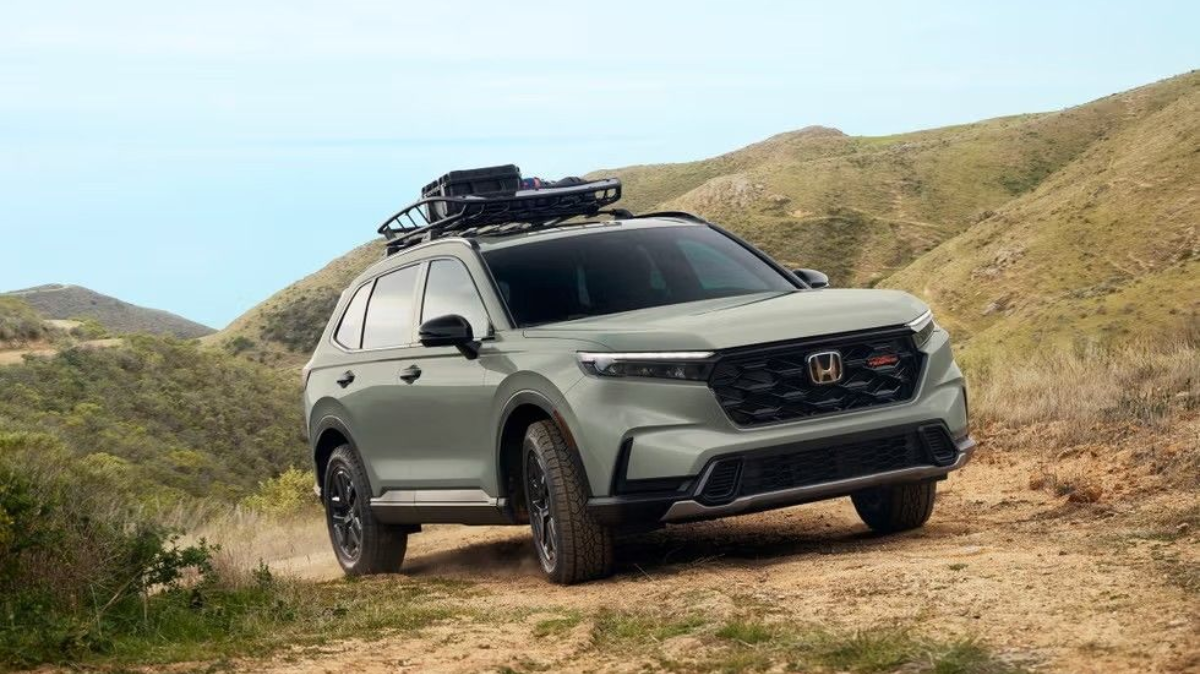
How You Could Buy a Hyundai Palisade for Up to 30% Less With the Right Offers
The Hyundai Palisade has become an appealing choice for drivers looking for a spacious SUV with premium styling, advanced technology, and comfortable three-row seating. Its upscale interior and family-friendly features make it an attractive alternative to more expensive luxury SUVs. However, purchasing a Hyundai Palisade can represent a significant financial commitment, especially when considering higher trim levels, taxes, financing, and additional dealership fees. The good news is that exploring dealer incentives, pre-owned inventory, trade-in opportunities, and financing options may help reduce your purchase expenses. Could you save up to 30%? Such savings may be possible in certain used-vehicle or specially discounted inventory comparisons, but they are not guaranteed. Understanding where potential savings come from is essential. Explore Hyundai Palisade Dealer Offers One of the first steps toward finding a more affordable Hyundai Palisade is comparing offers from multiple dealerships. Dealerships may advertise manufacturer incentives, inventory-specific discounts, or promotional financing arrangements. Available offers can depend on vehicle configuration, dealership location, eligibility requirements, and inventory. When reviewing offers, consider: Manufacturer rebates or eligible customer incentives Dealership discounts from the advertised selling price Promotional financing rates Trade-in assistance programs Discounts on selected inventory Always request a written, itemized purchase quote. Some advertised offers cannot be combined, and certain incentives may require specific financing arrangements. Consider a Pre-Owned Hyundai Palisade Buying a pre-owned Hyundai Palisade may provide one of the more practical opportunities to spend substantially less than the price of a comparable new vehicle. Used SUVs generally experience depreciation, although the amount varies according to mileage, condition, age, trim, and market demand. For example, a used Palisade advertised at $35,000 compared with a new vehicle priced at $50,000 represents a 30% difference in purchase price. These figures are illustrative rather than current dealer offers. The vehicles may also differ in features, warranty coverage, condition, and equipment. Review the vehicle history, maintenance records, inspection results, and total ownership costs before purchasing. Compare Hyundai Palisade Trim Levels The Hyundai Palisade is available in different configurations with varying comfort, convenience, and technology features. Higher trims may include additional premium materials, advanced convenience equipment, and upgraded interior features. However, not every buyer needs the most expensive configuration. Comparing trims can help identify which features matter most, such as: Three-row seating and passenger comfort Driver-assistance technology Infotainment and connectivity Interior upholstery and convenience features Cargo capacity and seating flexibility Choosing a more affordable trim that meets your needs can lower the purchase price without sacrificing essential functionality. Features and availability vary by vehicle configuration. Use Trade-In Value to Reduce Your Payment If you currently own a vehicle, trading it in may reduce the amount you need to finance. Before visiting a dealership, research your vehicle's approximate market value using reputable valuation resources. Obtaining multiple trade-in estimates can help you negotiate more confidently. Remember that trade-in credit is not necessarily a discount on the Hyundai Palisade itself. It represents value received for your existing vehicle. If you still owe money on your trade-in, calculate the remaining loan balance carefully. Negative equity can increase the amount financed on your next SUV. Compare Financing Offers Carefully A lower purchase price is important, but financing terms can significantly affect the total amount you pay. Compare annual percentage rates, loan durations, down payments, and lender fees. A longer loan may reduce monthly payments while increasing overall interest expenses. Manufacturer-sponsored financing promotions may offer attractive terms to qualified applicants, but eligibility and availability vary. Consider obtaining financing estimates from banks or credit unions before negotiating with a dealership. Focus on the total purchase and financing cost rather than monthly payments alone. Look Beyond the Advertised Price An attractive Hyundai Palisade advertisement may not reflect the final amount due. Additional expenses can include sales taxes, registration, documentation fees, optional accessories, and dealer-installed products. Ask dealerships to provide an out-the-door quote showing all applicable charges. Comparing complete quotes makes it easier to identify meaningful savings and avoid unexpected expenses. Final Thoughts Owning a Hyundai Palisade at a more affordable price may be achievable through careful research and comparison. Dealer incentives, pre-owned vehicles, suitable trim selections, trade-in opportunities, and competitive financing can all influence your final expenses. While a price difference of up to 30% may occur in certain comparisons, no specific discount is guaranteed, particularly on a new vehicle. The smartest approach is to compare genuine offers, understand eligibility conditions, and choose a Hyundai Palisade that fits both your lifestyle and long-term budget.
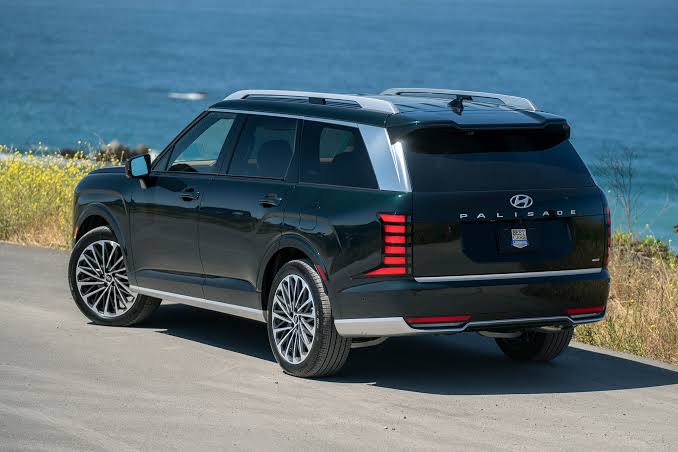
Unsold SUVs: Explore Dealer Inventory, Prices & Options
Buying a sport utility vehicle (SUV) can be a major financial decision, especially when comparing models, features, and dealership prices. For budget-conscious buyers, exploring unsold SUVs may provide opportunities to find vehicles that remain available in dealership inventory. Dealerships sometimes offer promotions on selected SUVs to manage inventory, attract customers, or make room for incoming vehicles. However, discounts are not guaranteed, and availability varies by dealership and location. This guide explores unsold SUV inventory, estimated prices, popular models, financing options, and practical ways to compare dealership offers in the United States. What Are Unsold SUVs? Unsold SUVs are vehicles that remain in a dealership's inventory without being purchased by customers. These vehicles may include new SUVs, demonstration vehicles, or models with configurations that have attracted less buyer interest. Some dealerships offer incentives on selected inventory, but an unsold vehicle is not necessarily discounted. The term also does not automatically indicate that a vehicle is damaged, outdated, or difficult to sell. Buyers should verify each vehicle's condition, warranty status, and advertised pricing before making a purchase. Why Do Dealerships Offer Discounts on SUVs? Dealerships may adjust vehicle prices for several reasons. Inventory Management: Dealers may offer promotions to manage available vehicle stock. Manufacturer Incentives: Automakers sometimes provide rebates or financing promotions on eligible models. Customer Demand: Vehicles with less popular colors, trims, or equipment packages may receive different pricing. Dealer Competition: Local dealerships may adjust offers to attract buyers comparing similar vehicles. Not every promotion applies to every customer, and some incentives cannot be combined. How Much Do Unsold SUVs Cost? Unsold SUV prices depend on vehicle category, manufacturer, trim level, location, and available incentives. The following table provides illustrative US vehicle-price ranges rather than verified clearance offers. SUV Category Estimated Price Range Subcompact SUVs $22,000–$32,000 Compact SUVs $25,000–$40,000 Midsize SUVs $30,000–$50,000 Three-Row SUVs $35,000–$65,000 Full-Size SUVs $50,000–$90,000+ Luxury SUVs $45,000–$100,000+ Actual dealer prices may fall outside these ranges. Taxes, registration, destination charges, and optional products can increase the final purchase cost. Popular SUV Models to Compare Toyota RAV4 The Toyota RAV4 is a compact SUV offering practical cargo space, available hybrid configurations, and everyday versatility. Honda CR-V The Honda CR-V provides spacious seating, flexible storage, and available driver-assistance technology. Hyundai Tucson The Hyundai Tucson offers contemporary styling, multiple powertrain options, and a variety of convenience features. Nissan Rogue The Nissan Rogue is designed for comfortable daily driving, with practical interior space and available safety technology. Ford Explorer The Ford Explorer offers three-row seating configurations and additional passenger capacity for families. These models are examples for comparison. Their inclusion does not mean that unsold or discounted inventory is currently available. Where Can Buyers Find Unsold SUV Inventory? Buyers can explore available SUVs through manufacturer websites, authorized dealerships, and automotive listing platforms. Dealership inventory pages may display vehicle specifications, advertised prices, and available promotions. Online marketplaces can also help shoppers compare similar vehicles across multiple sellers. Before visiting a dealership, confirm vehicle availability and request a written price breakdown. New SUVs vs Used SUVs New SUVs generally offer manufacturer warranty coverage and limited previous usage. Used SUVs may provide lower purchase prices or access to higher trim levels within a similar budget. However, used vehicles should be evaluated for mileage, maintenance history, accident records, and mechanical condition. Certified pre-owned SUVs may offer additional inspection and warranty benefits, depending on the manufacturer. SUV Financing and Lease Options Dealerships and financial institutions may provide financing options for eligible SUV buyers. Loan terms depend on creditworthiness, down payment, interest rate, and repayment period. Some manufacturers advertise promotional financing on selected vehicles, subject to qualification requirements. Leasing may offer another option, although mileage restrictions, fees, and return conditions can affect total costs. Buyers should compare the complete financial obligation rather than focusing only on monthly payments. How to Compare SUV Dealer Offers When comparing SUVs, consider: Advertised vehicle price Manufacturer rebates and dealer incentives Vehicle trim and equipment Warranty coverage Fuel efficiency and maintenance expenses Financing rates and additional charges Insurance and registration costs Final out-the-door purchase price Requesting comparable written quotes from different dealerships can help identify meaningful price differences. Are Unsold SUVs Worth Buying? An unsold SUV may offer good value when its price, specifications, and condition meet a buyer's requirements. However, a vehicle remaining in inventory does not automatically represent a bargain. Buyers should compare similar models, verify promotional conditions, and avoid making decisions based solely on advertised discounts. A test drive can also help evaluate comfort, handling, visibility, and overall suitability. Final Thoughts Exploring unsold SUVs can help buyers compare dealership inventory, vehicle prices, financing options, and available promotions. From affordable compact crossovers to larger family SUVs and luxury models, different vehicle categories offer distinct advantages. By researching inventory, comparing written quotes, and reviewing total ownership expenses, buyers can make informed decisions about their next SUV purchase. Disclaimer: This article provides general educational information. Prices are illustrative estimates, not live dealership offers. Vehicle inventory, discounts, financing terms, and availability vary by seller and location.
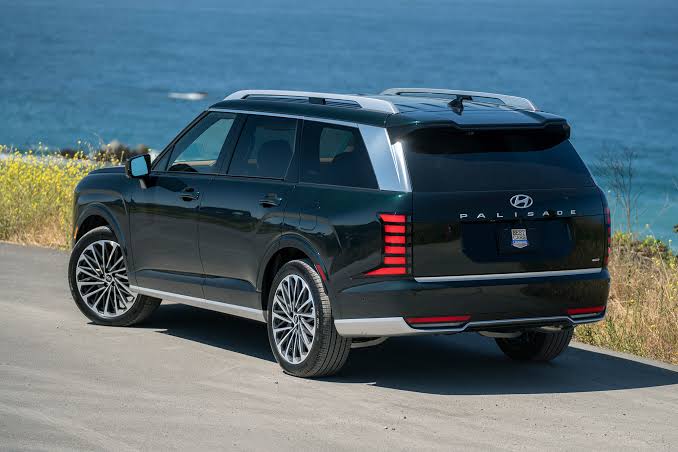
Affordable SUVs Under $25,000: Compare Models & Features
Buying a sport utility vehicle (SUV) doesn't always require a large budget. Many drivers are interested in affordable SUVs under $25,000 because they offer practical features, comfortable interiors, and versatile cargo space at relatively accessible prices. From compact crossovers to certified pre-owned SUVs, buyers can explore several options depending on their driving needs, preferred features, and budget. This guide compares affordable SUV models, estimated prices, important features, financing options, and practical tips for finding suitable vehicles in the United States. Can You Buy an SUV Under $25,000? Yes, SUVs priced below $25,000 can be found in both new and used vehicle markets. However, the selection of new SUVs within this budget may be limited, particularly when taxes, dealership charges, and optional equipment are included. Subcompact SUVs are generally among the most affordable new options, while used compact and midsize SUVs may provide additional space and features. Buyers should compare the total purchase price rather than relying only on advertised starting prices. Affordable SUV Models to Compare Several popular SUV models may be worth researching when shopping with a limited budget. Chevrolet Trax The Chevrolet Trax is a subcompact SUV designed for everyday driving. It offers a practical interior, modern styling, and available connectivity features. Selected configurations may fit within a $25,000 vehicle-price budget, depending on dealership pricing and equipment. Nissan Kicks The Nissan Kicks is a compact crossover known for its manageable size and practical cargo space. It may appeal to commuters looking for an affordable vehicle with available driver-assistance technology. Pricing depends on the trim level and local inventory. Hyundai Venue The Hyundai Venue is a small SUV-style crossover designed primarily for urban driving. Its compact dimensions make it convenient for parking and navigating crowded streets. Kia Soul Although commonly classified as a compact hatchback rather than a traditional SUV, the Kia Soul offers an elevated seating position and flexible cargo space. It may be worth comparing with entry-level crossovers. Used Honda HR-V A pre-owned Honda HR-V can provide practical interior space and everyday versatility. Buyers should compare mileage, vehicle condition, and maintenance records before purchasing. SUV Price Comparison The following table provides illustrative shopping budgets rather than verified dealership offers. Vehicle Model Suggested Shopping Budget Vehicle Category Chevrolet Trax $21,000–$25,000 Subcompact SUV Nissan Kicks $22,000–$25,000 Subcompact Crossover Hyundai Venue $20,000–$24,000 Subcompact SUV Kia Soul $21,000–$25,000 Compact Hatchback Used Honda HR-V $16,000–$25,000 Subcompact SUV Used Toyota RAV4 $18,000–$25,000 Compact SUV These ranges are illustrative shopping targets, not confirmed current prices. Availability, condition, trim, destination charges, and dealer fees can affect whether a vehicle fits the budget. Important Features to Compare Fuel Efficiency Fuel economy is an important consideration for drivers seeking affordable transportation. Smaller SUVs often consume less fuel than larger vehicles, although efficiency varies by engine and driving conditions. Safety Technology Available safety features may include automatic emergency braking, lane-departure warnings, blind-spot monitoring, and rearview cameras. Buyers should verify which features are standard or optional. Cargo Space Compact SUVs offer flexible storage for groceries, luggage, and everyday equipment. Rear seats that fold down can increase available cargo capacity. Smartphone Connectivity Many affordable vehicles offer touchscreen infotainment systems with compatible smartphone integration. Connectivity features vary by model and trim. New vs Used SUVs Under $25,000 New SUVs may offer manufacturer warranty protection, updated technology, and fewer maintenance concerns associated with previous ownership. Used SUVs can provide access to larger vehicles or higher trim levels at lower purchase prices. However, pre-owned vehicles require careful evaluation of mileage, accident history, maintenance records, and mechanical condition. An independent inspection can help buyers identify potential problems. SUV Financing Options Financing allows eligible buyers to purchase an SUV through monthly loan payments. Interest rates depend on credit history, lender requirements, down payment, and repayment period. A longer loan term may reduce monthly payments while increasing total interest expenses. Buyers should compare annual percentage rates, total repayment costs, and additional financing charges. Where to Find Affordable SUV Deals Buyers can explore vehicle inventory through manufacturer websites, authorized dealerships, and online automotive marketplaces. Comparing multiple listings can help identify differences in pricing, mileage, equipment, and vehicle condition. Before purchasing, request the complete out-the-door price, including applicable taxes and fees. How to Choose the Right Affordable SUV Consider your daily commute, passenger requirements, parking needs, and expected ownership expenses. Insurance premiums, fuel costs, maintenance, and registration charges can influence long-term affordability. A test drive can also help evaluate visibility, seating comfort, handling, and interior space. Final Thoughts Finding affordable SUVs under $25,000 involves comparing vehicle prices, available features, financing arrangements, and ownership costs. Models such as the Chevrolet Trax, Nissan Kicks, and Hyundai Venue may be worth exploring, while used SUVs can offer additional choices. By researching vehicle specifications, reviewing dealership offers, and comparing total expenses, buyers can identify an SUV that suits their needs and financial priorities. Disclaimer: This article is for general informational purposes. Vehicle prices are illustrative, not verified live offers. Availability, specifications, financing terms, and dealership charges vary by location and seller.
SUV Clearance Deals: Compare Prices, Models & Offers
Buying a sport utility vehicle (SUV) can be a significant investment, especially when comparing different models, features, and financing options. For buyers looking to save money, SUV clearance deals may provide opportunities to explore discounted vehicles, dealership promotions, and competitive pricing. SUVs are popular because they offer spacious interiors, versatile cargo capacity, advanced safety features, and comfortable driving experiences. From compact SUVs to luxury and three-row models, buyers have several options to consider. This guide explores SUV clearance deals, estimated prices, popular models, financing options, and practical ways to compare dealership offers in the United States. What Are SUV Clearance Deals? SUV clearance deals are promotional offers that dealerships or manufacturers may provide to help sell selected vehicles from their available inventory. These promotions can include advertised price reductions, manufacturer incentives, financing offers, or lease specials. However, not every dealership offers clearance discounts, and advertised promotions may apply only to specific vehicles or qualified buyers. Availability depends on dealership inventory, location, vehicle configuration, and promotional terms. How Much Do SUVs Cost? SUV prices vary depending on vehicle size, manufacturer, technology, and optional features. The following table provides broad illustrative purchase-price ranges for different SUV categories in the United States. SUV Category Estimated Price Range Subcompact SUVs $22,000–$32,000 Compact SUVs $25,000–$40,000 Midsize SUVs $30,000–$50,000 Three-Row SUVs $35,000–$65,000 Luxury SUVs $45,000–$90,000+ Premium Full-Size SUVs $65,000–$110,000+ These estimates are general reference ranges, not verified dealer quotes or guaranteed clearance prices. Actual costs depend on vehicle specifications, availability, taxes, and additional fees. Popular SUV Models to Compare Several well-known SUV models offer different combinations of comfort, technology, performance, and practicality. Toyota RAV4 The Toyota RAV4 is a compact SUV recognized for its practical interior, available hybrid configurations, and everyday versatility. Honda CR-V The Honda CR-V offers spacious seating, cargo flexibility, and technology features that appeal to families and commuters. Hyundai Tucson The Hyundai Tucson provides contemporary styling, available driver-assistance technology, and multiple powertrain options. Nissan Rogue The Nissan Rogue is a compact SUV offering comfortable seating, practical cargo space, and available convenience features. Ford Explorer The Ford Explorer is a larger SUV with three-row seating configurations and features designed for family travel. Vehicle specifications and available configurations vary by model and trim. Where Can Buyers Find SUV Clearance Offers? Buyers can explore SUV promotions through authorized dealerships, manufacturer websites, and automotive listing platforms. Some dealerships advertise discounted inventory or special financing arrangements. Manufacturer websites may also provide information about available incentives and participating dealerships. Before visiting a dealership, buyers should confirm whether an advertised vehicle remains available and request the complete purchase price. SUV Clearance Deals vs Regular SUV Prices Clearance promotions may reduce the advertised selling price, but the total cost of purchasing an SUV involves more than the initial discount. Buyers should review destination charges, dealership fees, sales taxes, registration expenses, and optional products. A vehicle advertised with a substantial discount may still cost more than another model with a lower starting price. Comparing the final out-the-door price provides a clearer picture of overall affordability. SUV Financing and Lease Options Some SUV dealerships offer financing and leasing arrangements for eligible customers. Financing allows buyers to purchase a vehicle through scheduled loan payments, while leasing generally provides temporary vehicle use under contractual conditions. Loan interest rates depend on creditworthiness, lender requirements, down payment, and repayment terms. Lease payments depend on factors such as vehicle value, mileage allowances, contract duration, and applicable fees. Buyers should compare total costs rather than focusing exclusively on monthly payments. How to Compare SUV Clearance Deals Before selecting an SUV, consider several important factors: Vehicle purchase price and available incentives Engine performance and fuel efficiency Interior space and cargo capacity Safety technology and driver-assistance features Manufacturer warranty coverage Financing rates and repayment terms Insurance and maintenance expenses Dealership fees and purchase conditions Requesting written quotes from multiple dealerships can help buyers evaluate competing offers. Are Used SUVs a Better Value? Used SUVs may provide a lower purchase price than comparable new vehicles. Certified pre-owned models may include inspection requirements and limited warranty benefits, depending on the manufacturer. However, buyers should review vehicle history reports, mileage, maintenance records, and overall condition. An independent inspection can help identify potential mechanical concerns before purchase. Tips for Finding Affordable SUV Deals Research several SUV models rather than focusing on one manufacturer. Compare dealership inventory, evaluate advertised incentives, and ask about the total purchase price. Consider fuel economy, insurance premiums, and maintenance costs when calculating long-term affordability. Buyers should also verify whether promotional financing requires specific credit qualifications. Final Thoughts Exploring SUV clearance deals can help buyers compare vehicle prices, available models, dealership promotions, and financing options. Compact SUVs may suit everyday commuting, while midsize and three-row models offer additional passenger and cargo space. Luxury SUVs provide premium features at higher price points. By comparing total purchase costs, vehicle specifications, financing terms, and dealership conditions, buyers can make more informed decisions about their next SUV. Disclaimer: This article is for general informational purposes only. Vehicle prices are illustrative estimates, not live dealership offers. Discounts, inventory, financing terms, and vehicle availability vary by dealership and location.

Safe Cars Under $30,000 in 2026: Affordable New Cars With Strong Safety Features
Finding a new car that is affordable, fuel-efficient, comfortable, and safe can be difficult in 2026. With new vehicle prices continuing to rise, many shoppers assume that advanced safety technology and strong crash protection require a luxury-car budget. However, there are several safe cars under $30,000 that offer modern driver-assistance technology, efficient engines, practical interiors, and strong safety credentials. The 2026 market includes several compact cars and small SUVs with starting prices below $30,000. Some have also earned recognition from the Insurance Institute for Highway Safety, making them worth considering for drivers who want to combine affordability with safety. When comparing a new vehicle, shoppers should look beyond the sticker price and also consider auto insurance quotes, fuel costs, financing rates, maintenance, and warranty coverage. What Makes a Car Safe in 2026? Modern vehicle safety is about much more than airbags. New cars increasingly combine structural crash protection with technology designed to help prevent accidents. Features such as automatic emergency braking, pedestrian detection, lane departure warning, lane keeping assistance, blind-spot monitoring, and rear cross-traffic alerts are becoming increasingly common in affordable vehicles. Independent crash-testing organizations also provide useful information when comparing vehicles. For 2026, the IIHS has introduced tougher requirements for its Top Safety Pick and Top Safety Pick+ awards, including stronger requirements for rear-seat protection and crash-avoidance technology. The organization reported that more than a dozen Top Safety Pick+ winners had starting MSRPs below $30,000. That means shoppers do not necessarily need to move into an expensive SUV or luxury vehicle to find strong safety equipment. 2026 Kia K4: An Affordable Safety-Focused Sedan The 2026 Kia K4 is one of the most interesting choices for shoppers looking for a safe new car on a budget. Its starting MSRP is $22,290, giving buyers substantial room below a $30,000 budget for upgraded equipment, taxes, registration, or other ownership costs. The K4 also earned an IIHS Top Safety Pick+ award for 2026. The award reflects performance across several crash tests and safety-system evaluations, making the K4 one of the affordable models worth researching for safety-conscious buyers. The K4 also offers available driver-assistance features, a spacious cabin, modern technology, and an available turbocharged engine. For buyers searching online for the best cars under $30,000, the K4 provides a combination of relatively low entry pricing and extensive available technology. 2026 Mazda3: A Premium Feel Without a Luxury Price The 2026 Mazda3 is another strong option for shoppers who want a compact car that feels more upscale while staying close to a $30,000 budget. The Mazda3 sedan and hatchback both earned IIHS Top Safety Pick+ recognition for 2026. Depending on trim and options, a Mazda3 can approach the $30,000 mark. Current 2026 inventory listings show examples with total MSRPs around $29,720 after destination charges and options, demonstrating why buyers should check the complete vehicle price rather than relying only on the base MSRP. For shoppers comparing affordable cars, the Mazda3 can be attractive because it combines safety credentials with a stylish interior, responsive driving characteristics, and modern technology. Before purchasing, buyers should also request multiple car insurance quotes because insurance premiums can vary significantly between drivers and locations. 2026 Nissan Sentra: Safety and Everyday Value The 2026 Nissan Sentra is another model to consider when searching for a safe car under $30,000. The 2026–27 Sentra earned an IIHS Top Safety Pick+ award, placing it among the small cars recognized under the organization's more demanding 2026 criteria. The Sentra is designed around practical daily transportation, making it relevant for commuters, families, and drivers who want to control their monthly transportation expenses. Its compact dimensions can also make city driving and parking easier than with a larger SUV. When comparing a Sentra with other affordable vehicles, shoppers should calculate the complete ownership cost. A lower purchase price can be helpful, but the final monthly budget may also depend on auto loan rates, insurance premiums, fuel economy, maintenance, and dealer fees. 2026 Toyota Corolla: A Popular Budget-Friendly Choice The 2026 Toyota Corolla remains another practical option for shoppers who want to keep the purchase price below $30,000. The 2026 Corolla starts at $23,125, while several higher trims remain below the $30,000 mark. The lineup also includes hybrid versions, with the Hybrid LE starting at $24,975 and the Hybrid XLE listed at $29,340 before applicable additional costs. The Corolla offers Toyota Safety Sense 3.0 and available blind-spot monitoring with rear cross-traffic alert. The hybrid versions can also deliver strong fuel economy, which can make a difference for drivers who spend a lot of time commuting. For consumers comparing new car deals, the Corolla is worth including in a broader search for affordable transportation. However, buyers should compare dealer pricing, financing offers, insurance rates, and available incentives before deciding which vehicle fits their budget. 2026 Honda Civic: Efficient and Practical The 2026 Honda Civic remains one of the better-known compact cars in the U.S. market. The 2026 Civic sedan starts at $24,695, while the Civic hatchback starts at $27,895. The Civic sedan hybrid begins at $29,395, putting it just below the $30,000 threshold before additional charges and options. The 2026 Civic hatchback earned an IIHS Top Safety Pick award. While it does not carry the Top Safety Pick+ designation, its recognition still places it among the vehicles that performed well enough under IIHS's 2026 award criteria to receive safety recognition. For buyers who want a combination of efficiency, technology, and everyday practicality, the Civic deserves consideration. The hybrid model can also appeal to drivers who want to reduce fuel consumption without moving to a fully electric vehicle. 2026 Subaru Impreza: An AWD Option Under $30,000 Drivers who live in areas with frequent rain, snow, or difficult road conditions may want to consider an affordable vehicle with all-wheel drive. The 2026 Subaru Impreza offers standard Symmetrical All-Wheel Drive and starts below $30,000. Subaru lists the 2026 Impreza Sport at $26,595 and the Impreza RS at $29,495 before applicable additional charges. The Impreza is a hatchback, giving it additional cargo flexibility compared with many traditional compact sedans. It also includes Subaru's EyeSight driver-assistance technology. Although the Impreza is not listed among the 2026 IIHS Top Safety Pick or Top Safety Pick+ award winners, its combination of standard AWD, driver-assistance technology, and sub-$30,000 pricing makes it a model worth comparing for buyers who prioritize all-weather capability. Small SUVs Under $30,000 Can Also Be Safe Drivers who prefer an SUV do not necessarily have to exceed the $30,000 budget. The 2026 IIHS awards include several small SUVs with starting prices below that level. The Hyundai Kona, for example, was identified by IIHS as the least expensive small SUV among its 2026 award winners, with a starting price of $25,500. The 2026 Honda HR-V, Hyundai Kona, Mazda CX-30, Mazda CX-5, Mazda CX-50, and Subaru Forester also appear among the 2026 Top Safety Pick+ small SUVs. This gives shoppers another path if they need additional cargo space or prefer a higher driving position. However, SUV pricing can increase quickly with upgraded trims, options, destination charges, and dealer-installed accessories, so shoppers should compare the complete out-the-door price. How to Keep Your Total Car Cost Under $30,000 A vehicle advertised at less than $30,000 does not necessarily mean the final purchase will cost less than $30,000. Destination charges, taxes, registration, documentation fees, optional packages, and dealer-installed products can increase the final amount. Before visiting a dealership, consumers can research new car prices online and compare multiple dealers. Getting preapproved for an auto loan can also help shoppers understand their realistic monthly payment before negotiating the vehicle price. Insurance is another important consideration. Drivers should obtain several car insurance quotes before purchasing because premiums can differ based on location, driving history, age, coverage limits, deductible, and vehicle. A car with a lower purchase price is not automatically the vehicle with the lowest insurance cost. Safety Technology Can Reduce Driving Stress Advanced driver-assistance systems are becoming increasingly common in affordable vehicles. Automatic emergency braking can help reduce or avoid certain forward collisions, while blind-spot monitoring can alert drivers when another vehicle is difficult to see. However, these technologies should be treated as assistance rather than replacement for attentive driving. Drivers still need to maintain control, monitor traffic, follow speed limits, and remain aware of road conditions. When comparing vehicles, shoppers should also check whether a safety feature is standard or optional. A vehicle may advertise advanced safety technology, but the equipment can vary between trims. Final Thoughts on Safe Cars Under $30,000 in 2026 The 2026 market provides several opportunities for buyers who want a safe new car without moving far beyond a $30,000 budget. The Kia K4, Mazda3, Nissan Sentra, Toyota Corolla, Honda Civic, and Subaru Impreza all demonstrate different ways to approach the affordable-car market, while several small SUVs also provide safety-focused alternatives. For shoppers prioritizing independent safety recognition, the 2026 IIHS Top Safety Pick and Top Safety Pick+ lists provide a useful starting point. Several award-winning models begin below $30,000, showing that shoppers can find modern safety technology without automatically moving into a luxury-car price range. Before making a purchase, compare the full vehicle price, financing offers, fuel economy, warranty coverage, maintenance expenses, and car insurance quotes. Looking at the complete ownership cost instead of only the advertised MSRP can help you determine whether a vehicle truly fits your budget.

These 2026 Cars Offer Big Safety for Under $30,000
Finding a safe new car under $30,000 in 2026 is more realistic than many buyers might expect. Rising vehicle prices have made affordability a major concern, but several new cars and small SUVs still combine modern safety technology, practical features, and relatively accessible pricing. The Insurance Institute for Highway Safety (IIHS) says several 2026 vehicles starting below $30,000 earn its highest Top Safety Pick+ award, showing that buyers do not necessarily have to move into a luxury price range for advanced crash protection. For shoppers comparing the safest cars under $30,000, the decision involves more than the sticker price. Insurance costs, fuel economy, financing rates, maintenance expenses, safety ratings, and available driver-assistance technology can all affect the real cost of ownership. Understanding these factors can help buyers narrow down affordable vehicles that fit both their budget and everyday driving needs. What Makes a Car Safe in 2026? Modern vehicle safety goes well beyond airbags and seat belts. New cars increasingly use automatic emergency braking, pedestrian detection, lane departure prevention, blind-spot monitoring, adaptive cruise control, and other driver-assistance technologies designed to help prevent collisions. The 2026 IIHS award criteria place particular emphasis on crash protection, headlights, pedestrian front crash prevention, and vehicle-to-vehicle front crash prevention. When comparing a safe car under $30,000, buyers should look at independent crash-test results rather than relying only on manufacturer advertising. A vehicle's standard equipment also matters because some advanced safety systems may only be available on higher-priced trims. Checking which features are included in the base model can provide a more accurate picture of what buyers receive for their money. 2026 Kia K4 Offers an Affordable Safety Option The 2026 Kia K4 is one of the most notable affordable vehicles in the current IIHS safety lineup. The IIHS reports that the K4 starts at $22,290 and qualifies for its 2026 Top Safety Pick+ award. For shoppers searching for an affordable new car with advanced safety technology, the K4 provides an interesting combination of pricing and safety credentials. Its position in the compact sedan market also makes it practical for commuters and families who want a new vehicle without approaching the $30,000 threshold. Mazda3 Combines Price and Safety Technology The 2026 Mazda3 is another option for buyers searching for a safe car under $30,000. IIHS lists both the sedan and hatchback versions as 2026 Top Safety Pick+ winners, while the organization has cited a $24,550 starting MSRP for the base Mazda3. The Mazda3 can appeal to buyers who want a compact vehicle without giving up modern driver-assistance technology. Its relatively low starting price also leaves room in a $30,000 budget for evaluating higher trims, financing costs, taxes, or additional ownership expenses depending on the buyer's location and dealer pricing. Toyota Camry Remains a Popular Midsize Choice Buyers who need more interior space may want to consider midsize sedans. The 2026 Toyota Camry is a Top Safety Pick+ winner according to IIHS, making it one of the midsize options worth researching when shopping for a safe new vehicle. The Camry is particularly relevant for shoppers who regularly carry passengers or drive longer distances. IIHS has also highlighted the Camry among vehicles starting below $30,000, although actual transaction prices can vary depending on trim, destination charges, taxes, dealer fees, and optional equipment. Hyundai Kona Is an Affordable SUV Option SUVs remain extremely popular in the American market, and buyers do not necessarily need to spend more than $30,000 to find a model with strong safety credentials. The 2026 Hyundai Kona is a Top Safety Pick+ winner, and IIHS identifies it as the least expensive small SUV among its 2026 award winners, with a starting price of $25,500. For consumers searching for the safest SUV under $30,000, the Kona is worth researching because its smaller footprint makes it easier to maneuver in urban environments while providing the higher seating position many SUV shoppers prefer. Pricing can vary by trim and location, so buyers should compare the final out-the-door price rather than focusing only on advertised MSRP. Subaru Forester Brings Safety Into the SUV Market The 2026 Subaru Forester is another vehicle receiving a Top Safety Pick+ designation from IIHS. Its inclusion in the current safety awards makes it relevant for families searching for a practical SUV with modern crash protection and driver-assistance technology. The Forester may appeal particularly to buyers who prioritize passenger space, visibility, and utility. However, depending on configuration and local pricing, some versions can exceed a strict $30,000 purchase budget. Shoppers should therefore compare the base price with destination charges, taxes, registration, financing, and optional equipment before finalizing a purchase. Nissan Sentra and Other Compact Cars Compact sedans remain an important part of the affordable-car market because they generally provide lower entry prices and good everyday practicality. IIHS lists the 2026–27 Nissan Sentra as a Top Safety Pick+ winner, while the 2026 Hyundai Elantra and Honda Civic receive Top Safety Pick designations. For consumers searching for cheap safe cars, these models demonstrate why it is useful to compare several vehicle categories instead of focusing exclusively on SUVs. A compact sedan can offer useful passenger space, modern safety systems, and potentially lower purchase and operating costs than a larger vehicle. How Safety Features Can Affect Car Insurance Vehicle safety can also influence the broader cost of car ownership. When comparing auto insurance quotes, insurers may consider numerous factors including the driver's record, location, vehicle characteristics, coverage levels, and claims history. Advanced safety equipment can be relevant to insurance pricing, although the effect varies between insurers and individual policies. Before buying a new car, consumers can request a car insurance quote for the exact model and trim they are considering. Comparing insurance premiums alongside vehicle prices can provide a more realistic estimate of monthly ownership expenses. A car that fits under a $30,000 purchase budget may have a different total cost of ownership depending on insurance, financing, fuel, and maintenance. New Car Financing Can Change the Real Cost The advertised vehicle price is only one part of the purchasing equation. Buyers may finance some or all of their vehicle purchase, which means interest rates and loan terms can significantly affect the total amount paid over time. A vehicle with a lower MSRP can become more expensive overall if it is financed at a higher interest rate or for a longer period. Consumers comparing new car financing options should look at the annual percentage rate, loan duration, required down payment, and total interest rather than focusing only on the monthly payment. Getting financing estimates before visiting a dealership can also make it easier to understand whether a particular vehicle genuinely fits the household budget. Used Cars Can Expand the Safety Budget Buyers who cannot find the right new vehicle under $30,000 can also consider recent used cars. A few years old, many vehicles with strong safety credentials can be considerably less expensive than their original purchase prices. The IIHS and Consumer Reports maintain a separate list of used vehicles recommended for young drivers, including models such as the Mazda3, Toyota Camry, Subaru Legacy, and Nissan Altima. Their 2026 guide includes used vehicles with safety and performance criteria, demonstrating that buyers do not necessarily have to purchase a brand-new vehicle to find a safety-focused option. A used vehicle should be carefully inspected before purchase, and shoppers should check its vehicle history, recall status, maintenance records, and remaining warranty coverage. How to Compare the Safest Cars Under $30,000 The safest choice for one driver may not be the same as the right vehicle for another. A commuter might prioritize fuel economy and a compact footprint, while a family may need additional passenger and cargo space. Buyers should therefore compare crash-test performance, standard safety equipment, vehicle size, fuel costs, insurance premiums, financing terms, and expected maintenance costs together. Independent safety ratings are particularly useful because award criteria can change from year to year. For 2026, IIHS introduced tougher requirements involving vehicle-to-vehicle front crash prevention and improved pedestrian protection, so consumers should make sure they are looking at current model-year results rather than older ratings. Final Thoughts A safe new car under $30,000 is still possible in 2026, although buyers need to pay attention to trim levels, pricing changes, financing, and total ownership costs. Models such as the Kia K4, Mazda3, Hyundai Kona, Toyota Camry, and other current IIHS-rated vehicles demonstrate that advanced safety technology is available across several affordable vehicle categories. For shoppers comparing affordable cars, the best starting point is to identify vehicles that fit the budget, review current independent safety ratings, compare insurance quotes, and calculate the complete ownership cost. With careful research, buyers can narrow down modern vehicles that combine affordability, practical features, and current safety technology without automatically moving into a higher price range.

Safe Cars Under $30,000 in 2026 – Affordable Models With Advanced Safety Features
Finding a safe car under $30,000 in 2026 is more realistic than many buyers might expect. Although the average price of a new vehicle in the USA remains well above this budget, several 2026 models combine modern safety technology, practical features, and relatively affordable starting prices. Current IIHS results show that a number of vehicles priced below $30,000 qualify for Top Safety Pick or Top Safety Pick+ recognition. For shoppers comparing affordable cars, the purchase price is only one part of the decision. Buyers are also considering auto insurance quotes, fuel economy, financing rates, vehicle reliability, maintenance costs, and advanced driver-assistance technology. Looking at the complete ownership cost can make it easier to compare a new car with a used vehicle or a slightly more expensive model. What Makes a Car Safe in 2026? Vehicle safety has advanced considerably beyond traditional airbags and seat belts. Modern affordable cars can include automatic emergency braking, forward collision warning, lane-departure assistance, pedestrian detection, blind-spot monitoring, adaptive cruise control, and other driver-assistance technologies. The Insurance Institute for Highway Safety evaluates vehicles through multiple crash and crash-avoidance tests, while the National Highway Traffic Safety Administration uses its 5-Star Safety Ratings program to evaluate frontal, side, and rollover performance. NHTSA also provides a vehicle comparison tool that allows shoppers to check safety ratings and recalls. Kia K4 Offers a Low-Cost Entry Point The 2026 Kia K4 is one of the most notable options for shoppers looking for an affordable new car with strong safety credentials. IIHS lists the K4 among its 2026 Top Safety Pick+ small cars, while IIHS reported that its starting MSRP was $22,290. For buyers searching for affordable new cars, the K4 can provide an attractive combination of modern design, technology, passenger space, and safety equipment without moving far beyond a modest purchasing budget. Buyers should still check the exact trim and available safety equipment because features and pricing can vary. Honda Civic Remains a Popular Affordable Choice The 2026 Honda Civic is another option for shoppers comparing safe cars under $30,000. Current pricing information lists the Civic starting around $25,990, while IIHS gives the 2026 Civic four-door hatchback a Top Safety Pick award. The Civic is available in different body styles and powertrain configurations, giving shoppers flexibility when comparing fuel efficiency, practicality, and purchase price. Buyers should compare insurance costs for different trims before finalizing a purchase because vehicle configuration can affect overall ownership expenses. Mazda CX-30 Brings SUV Practicality Under the Budget SUV shoppers do not necessarily need to spend $40,000 or more to find a vehicle with strong safety credentials. The 2026 Mazda CX-30 is listed by IIHS as a Top Safety Pick+ small SUV, while Mazda's current U.S. pricing shows the entry-level model starting at $26,375 before options, taxes, title, license fees, and destination charges. The CX-30 gives buyers a higher seating position and SUV-style practicality while remaining relatively close to the $30,000 budget. Because additional features can push the final price above the target, shoppers should compare the total out-the-door price rather than focusing only on advertised MSRP. Hyundai Kona Is Another Affordable SUV Option The 2026 Hyundai Kona is another small SUV worth considering when searching for an affordable safe vehicle. IIHS currently lists the 2026 Kona as a Top Safety Pick+, and IIHS reported a starting price of $25,500. The Kona can appeal to buyers who want SUV practicality without the price of a larger crossover. Its compact dimensions can also make it convenient for city driving, while its available technology gives shoppers additional features to consider when comparing affordable SUVs. Toyota Camry Brings Midsize Sedan Space For buyers who want a larger sedan, the 2026 Toyota Camry is another model appearing in the IIHS Top Safety Pick+ results. IIHS lists the Camry among its 2026 midsize cars with a Top Safety Pick+ designation, while current industry pricing places its starting price around the upper end of the $20,000 range. The Camry can be particularly interesting for shoppers who need more interior space but do not want to move into a larger SUV. Buyers should compare hybrid and non-hybrid configurations carefully because powertrain selection can influence both purchase price and long-term fuel costs. Subaru Forester Offers an SUV Alternative The 2026 Subaru Forester is another safety-focused SUV that appears in the IIHS Top Safety Pick+ list. Its reported starting price is $29,995, putting the base model right at the $30,000 target before additional charges and options. For buyers specifically looking for an SUV under $30,000, the Forester demonstrates that a safety-focused vehicle does not necessarily require a luxury-car budget. However, shoppers should verify current dealer pricing, availability, destination charges, and trim-level equipment before making a purchasing decision. Consider the Total Cost of Ownership A car priced below $30,000 can become considerably more expensive over several years once financing, insurance, fuel, maintenance, registration, and depreciation are included. This makes it important to compare the total cost of ownership instead of simply searching for the lowest MSRP. Insurance is particularly important because premiums vary based on the driver, location, coverage level, vehicle, driving history, and other factors. Before purchasing, buyers can compare car insurance quotes for several vehicles and request an updated premium estimate based on the exact model and trim they are considering. Check Safety Ratings Before Buying Safety ratings can change by model year, body style, trim, and manufacturing date, so buyers should verify the exact vehicle rather than relying on a general model name. NHTSA provides official 5-Star Safety Ratings and recall information, while IIHS publishes its annual Top Safety Pick and Top Safety Pick+ results. This is especially important when comparing a new vehicle with a used car. A previous model year may have different crash-test results or safety technology from the latest version. Checking the VIN for recalls and reviewing the exact vehicle's safety information can provide additional information before completing a purchase. Can You Get an SUV Under $30,000 With Strong Safety Ratings? Yes. The 2026 safety results show several SUVs with starting prices below or around $30,000. The Hyundai Kona, Mazda CX-30, Honda HR-V, Kia Sportage, Mazda CX-50, and Subaru Forester are among the models listed by IIHS as Top Safety Pick+ winners, although pricing and eligibility can depend on the specific configuration and production date. This gives shoppers more choices than simply purchasing a compact sedan. However, SUV buyers should remember that larger vehicles can have different fuel, insurance, and ownership costs, so the safest choice for an individual budget depends on the complete vehicle and ownership situation. How to Find the Best Car Deal Under $30,000 Once you have identified several models that meet your safety requirements, comparing dealer pricing can help reduce the final purchase cost. Buyers should request an out-the-door price that includes applicable dealer fees, destination charges, taxes, registration, and optional equipment. It can also be useful to compare financing offers rather than focusing only on the monthly payment. A longer loan term can reduce the monthly payment while increasing the total amount paid over the life of the loan. Comparing APR offers, down-payment requirements, trade-in values, and manufacturer incentives can provide a clearer picture of the actual purchase cost. Final Thoughts A safe new car under $30,000 is achievable in 2026, with several sedans and SUVs offering modern crash protection and driver-assistance technology at relatively accessible starting prices. Current IIHS results include models such as the Kia K4, Mazda CX-30, Hyundai Kona, Honda HR-V, Mazda CX-50, Toyota Camry, and Subaru Forester among vehicles receiving Top Safety Pick or Top Safety Pick+ recognition. Before purchasing, compare the exact trim, current MSRP, dealer pricing, safety ratings, recalls, financing terms, fuel economy, and car insurance costs. Taking these factors together can help shoppers find a vehicle that fits both their safety priorities and their overall 2026 budget.

Looking for a Safe Car Under $30,000 in 2026? Start With These IIHS Top Picks
Need a Safer Car on a Budget? Check These 2026 Models and here are some lesser-known insights of safest car under $30k. Top Safety Pick+ Sedans Under $30,000 The Insurance Institute for Highway Safety (IIHS) updated its crash-testing protocol to enforce stricter rear-seat passenger protection standards. Despite these tougher criteria, several compact and midsize sedans starting under $30,000 achieved the highest Top Safety Pick+ (TSP+) rating: Kia K4: Holding the distinction of being the least expensive vehicle to earn the 2026 IIHS Top Safety Pick+ award, the Kia K4 starts at $22,290. It comes standard with a 12.3-inch touchscreen, forward collision avoidance, and comprehensive driver-assistance systems. Mazda 3 (Sedan & Hatchback): Earning top "Good" ratings across all major IIHS crash evaluations, the Mazda 3 provides premium interior refinement alongside standard automatic emergency braking and lane-keep assistance. Nissan Sentra: Re-engineered to meet stricter 2026 impact requirements, the Sentra offers standard pedestrian and cyclist detection, forward collision warnings, and blind-spot monitoring at a starting price under $23,000. Toyota Prius: The fifth-generation Prius hybrid achieved Top Safety Pick+ status by excelling in front crash prevention and rear passenger protection while delivering up to 57 MPG. Safest Small Crossovers & SUVs Under $30,000 For buyers seeking higher ride height and all-wheel drive, multiple entry-level SUVs earned IIHS top honors without crossing the $30,000 threshold: Hyundai Kona: Starting at $25,500, the Kona is the lowest-priced small SUV to earn the 2026 Top Safety Pick+ award. It features standard rear cross-traffic collision avoidance, lane centering, and driver attention warnings. Mazda CX-30: Positioned around $26,000, the CX-30 includes standard i-Activ All-Wheel Drive, predictive crash mitigation, and robust side-impact occupant protection. Honda HR-V: Built with Honda's Advanced Compatibility Engineering (ACE) body structure, the HR-V features the standard Honda Sensing driver-assist suite and top marks in small overlap front crash testing. Subaru Crosstrek Hybrid: Combining standard all-wheel drive with advanced EyeSight driver-assist technology, the Crosstrek Hybrid scored top "Good" marks across IIHS crash categories. 2026 IIHS Award Winners Under $30k Comparison Vehicle Model Body Style IIHS Award Tier Starting MSRP (Est.) Key Standard Safety Features Kia K4 Compact Sedan Top Safety Pick+ $22,290 Forward collision avoidance, lane centering Nissan Sentra Compact Sedan Top Safety Pick+ $22,600 Blind-spot alert, pedestrian/cyclist detection Hyundai Kona Subcompact SUV Top Safety Pick+ $25,500 Rear cross-traffic monitoring, lane-keep assist Mazda 3 Sedan / Hatch Top Safety Pick+ $24,500 Smart brake support, adaptive cruise control Honda Civic Hatchback Top Safety Pick $24,950 Honda Sensing suite, automatic emergency braking IIHS Safety Insight: In 2026, the IIHS required a mandatory "Good" rating in the updated moderate overlap front test to earn a Top Safety Pick+ award, prioritizing equal protection for second-row passengers. Common FAQs 1. What is the single cheapest car to earn an IIHS Top Safety Pick+ award in 2026? The Kia K4 holds the distinction of being the least expensive vehicle to earn the Top Safety Pick+ award for 2026, with a starting price of $22,290. 2. What changed in the IIHS crash test criteria for 2026? The IIHS introduced stricter criteria focusing on rear-seat occupant protection during moderate overlap front crash tests, placing a test dummy behind the driver to evaluate second-row seatbelt performance and restraint mechanics. 3. Do safe cars under $30,000 require optional safety packages to qualify for IIHS awards? No. Top-rated models like the Kia K4, Mazda 3, and Hyundai Kona include their complete suite of automatic emergency braking, forward collision warning, and lane-keeping software standard across all trims. Key Takeaways Uncompromised Budget Safety: Vehicles starting as low as $22,290 achieve top-tier crash protection without requiring expensive trim upgrades. Standard Driver Assistance: Active safety tech like automatic emergency braking and blind-spot alerts are standard equipment on 2026 winners. Rigorously Tested Protection: IIHS Top Safety Pick+ winners meet updated rear-passenger protection and pedestrian avoidance standards.

Affordable Electric Scooty Price 2026 – Features, Range, Battery Cost & Buying Guide in India
Electric scooters are becoming an increasingly popular choice for daily commuting in India as buyers look for lower running costs, convenient charging, and modern features. The Indian electric two-wheeler market recorded strong growth through 2026, with more manufacturers competing in the affordable and mid-range segments. For buyers comparing an affordable electric scooty price, the advertised ex-showroom figure is only one part of the ownership cost. Battery capacity, real-world range, charging time, insurance, financing, maintenance, and after-sales service can all influence the final value of an electric scooter. This makes it important to compare the complete package instead of choosing a model based only on its starting price. Electric Scooty Price in India 2026 The price of an electric scooter in India can vary considerably depending on battery size, motor performance, technology, and brand positioning. Entry-level models are designed mainly for short urban journeys, while higher-priced scooters provide longer range, stronger motors, connected features, and improved comfort. Current market data shows that the mass-market electric two-wheeler segment is becoming particularly important, with products increasingly positioned around the ₹1 lakh range. Several manufacturers are also introducing models below ₹1 lakh to attract buyers switching from petrol scooters. When comparing an electric scooty price, buyers should also check whether the quoted amount includes the battery, charger, registration, insurance, and other on-road expenses. Some manufacturers have introduced battery-as-a-service or alternative ownership models, which can make the initial purchase price look lower while creating a separate recurring battery cost. Affordable Electric Scooters for Daily Commuting For city commuters, an affordable electric scooter can make sense when most journeys involve short distances and regular access to charging. Daily office travel, college commuting, grocery trips, and local transportation can generally be handled by scooters designed for urban use. Models from brands such as TVS, Bajaj, Ather, Ola, VIDA, Ampere, and other emerging manufacturers now cover multiple price categories. The market has also become more competitive, with smaller electric scooter companies expanding sales and established manufacturers increasing their EV offerings. The right scooter depends on how far you travel every day rather than simply choosing the model with the largest claimed range. A commuter travelling 30 to 40 km daily may have very different requirements from someone covering 70 to 100 km. Electric Scooter Battery and Running Cost The battery is one of the most important components to consider when purchasing an electric scooter. Battery capacity affects range, charging requirements, vehicle weight, and long-term ownership costs. Lithium-ion battery technology is widely used in modern electric scooters because it provides a strong balance between energy density and performance. The electric scooter battery price can also become an important consideration when evaluating long-term ownership. Battery replacement costs vary according to capacity, chemistry, manufacturer, and warranty coverage. Buyers should therefore check the battery warranty and replacement terms before purchasing an EV rather than looking only at the initial scooter price. Electricity costs are generally lower than petrol expenses for equivalent urban travel, although the actual savings depend on electricity rates, riding conditions, battery efficiency, and annual kilometres. A recent 2026 market analysis also highlights that battery value and ownership structure are becoming increasingly important when comparing electric scooters. Range and Charging Time Matter More Than Advertised Price Range is one of the first specifications buyers check when researching the best electric scooter for daily use. Manufacturers generally publish claimed range figures under controlled testing conditions, while real-world range can change depending on rider weight, speed, traffic, road conditions, temperature, tyre pressure, and riding mode. A scooter with a slightly higher purchase price can sometimes provide better value if it offers a larger battery and more practical real-world range. Buyers should also consider charging convenience. Home charging can be particularly useful for commuters because the scooter can be charged overnight and be ready for the next day's journey. Some newer electric scooters are also introducing removable batteries or faster charging technologies, giving buyers greater flexibility depending on their living and parking arrangements. Features to Look for in an Electric Scooty Modern electric scooters offer considerably more technology than early-generation EVs. Depending on the model and price category, buyers can find digital instrument clusters, smartphone connectivity, navigation, riding modes, connected apps, remote diagnostics, anti-theft functions, USB charging, and smart battery management. Premium models may offer additional technology such as advanced braking systems, larger displays, improved suspension, navigation integration, and over-the-air software updates. The increasing use of electronics is also changing the two-wheeler industry, with EVs requiring significantly more electrical and electronic components than conventional scooters. For an affordable electric scooty, however, buyers should prioritize useful features rather than paying extra for technology they may rarely use. Electric Scooter Financing and Insurance Electric scooter financing can make a new EV more accessible for buyers who prefer monthly payments instead of paying the complete amount upfront. Loan eligibility, interest rates, down payment requirements, and repayment periods can vary between lenders and customers. Insurance is another expense that should be included when calculating the total purchase cost. A buyer comparing two scooters with similar showroom prices may discover a different final cost after adding insurance, registration, accessories, financing charges, and other on-road expenses. Checking the complete on-road price before booking can provide a clearer picture of how much the scooter will actually cost. Why Electric Scooters Are Growing in India India's electric two-wheeler market continues expanding as consumers look for alternatives to petrol-powered scooters. Recent industry data indicates that electric two-wheelers crossed more than one million units in sales during the first part of 2026, while market penetration continues to increase. Higher petrol costs, improving battery technology, expanding charging infrastructure, and greater availability of affordable models are contributing to consumer interest. Established manufacturers are also increasing production and introducing new products, while smaller brands are expanding their presence in the market. This competition is giving buyers more choices across different price points and use cases. How to Choose the Right Affordable Electric Scooty Choosing an electric scooter should begin with your daily travel requirements. Someone looking for a short-distance city commuter may not need an expensive long-range model, while a rider covering significant distances every day may benefit from a larger battery and stronger motor. It is also worth checking the availability of service centres in your city. A competitive electric scooty price is useful, but reliable after-sales support, battery warranty, spare parts availability, and software support can have a major impact on the ownership experience. Before purchasing, compare the on-road price, battery warranty, charging time, claimed and expected real-world range, financing cost, insurance, and service network. Future of Affordable Electric Scooters in India The affordable electric scooter segment is expected to remain highly competitive as manufacturers target the large population of petrol-scooter users looking for lower-cost alternatives. Industry forecasts indicate continued growth in India's electric scooter market through the end of the decade. New battery technologies, improved manufacturing, better charging infrastructure, and more affordable models could make electric scooters increasingly practical for everyday transportation. Manufacturers are also moving into lower price categories to reach a broader customer base, while premium brands continue developing longer-range and technology-focused products. Final Thoughts An affordable electric scooty can be a practical option for Indian commuters who want modern features and potentially lower day-to-day running costs. However, the cheapest electric scooter is not necessarily the best value. Battery capacity, real-world range, charging convenience, warranty, service availability, financing, and total ownership cost should all be considered before making a purchase. With India's electric two-wheeler market expanding rapidly in 2026, buyers now have more choices than ever across entry-level, affordable, and premium electric scooters. Comparing the complete on-road cost and features can help consumers find an electric scooter that fits their budget and daily travel requirements.

Affordable Flats in India 2026 – Cheapest Apartments, Prices, Loans & Buying Guide
Finding an affordable flat in India has become a major priority for first-time homebuyers, salaried professionals, and families looking to own property without taking on excessive financial pressure. With property prices rising in major cities, buyers are increasingly searching for affordable flats in India, budget apartments, 1 BHK flats for sale, 2 BHK flats under 50 lakh, and ready to move flats at reasonable prices. Real-estate searches with a specific budget, location, and property type generally indicate stronger buyer intent than broad searches for property. Why Affordable Flats Are in High Demand in India India's growing urban population is creating strong demand for reasonably priced residential properties. Buyers who cannot comfortably afford premium apartments are looking toward developing suburbs, satellite cities, and emerging residential corridors where property prices can be comparatively lower. The affordable housing segment is also important from a financing perspective, with housing finance companies and banks continuing to participate heavily in the market. For many buyers, an affordable flat does not necessarily mean choosing an inconvenient location or sacrificing modern amenities. New residential projects increasingly offer compact apartments with elevators, security, parking, community areas, and access to schools, hospitals, shopping centres, and transportation. This makes budget housing attractive to both young professionals and families planning their first property purchase. Cheapest Flats in India: Where Should Buyers Look? Property prices can vary dramatically between cities and even between neighbouring localities. Buyers looking for cheap flats in India often find more options outside expensive central business districts, particularly in developing suburbs and peripheral areas connected to major employment hubs. Cities such as Pune, Hyderabad, Ahmedabad, Jaipur, Nagpur, and several Delhi-NCR corridors have attracted attention from value-focused buyers looking for relatively affordable residential options. Delhi-NCR provides an interesting example of how location can influence affordability. Areas around Faridabad and Ghaziabad continue to attract buyers seeking comparatively lower-priced apartments while maintaining connectivity with Delhi and other employment centres. Current market coverage also identifies parts of Greater Faridabad and Ghaziabad as areas where buyers can still find budget-oriented 2 BHK inventory. 1 BHK and 2 BHK Flats for Budget Buyers For individuals, couples, and small families, 1 BHK and 2 BHK apartments are often the most practical entry points into the residential property market. A 1 BHK flat generally requires less upfront capital and can have lower maintenance expenses, while a 2 BHK offers additional space for families, guests, or a home office. Searches such as 1 BHK flat for sale, affordable 2 BHK flats, 2 BHK flat under 40 lakh, and 2 BHK apartment for sale are particularly useful when comparing properties because they combine property type with purchasing intent and budget. Real-estate advertising research similarly recommends combining location, property type, and terms such as “buy,” “price,” “ready to move,” or “for sale” to identify stronger purchase intent. Ready-to-Move Flats vs New Projects Buyers looking for affordable apartments often have to decide between ready-to-move properties and newly launched residential projects. Ready-to-move flats allow buyers to inspect the actual property, surrounding infrastructure, and neighbourhood before completing the purchase. They can also avoid some of the uncertainty associated with long construction timelines. New projects may offer newer amenities, flexible payment schedules, and introductory pricing, but buyers should carefully investigate the developer, project approvals, construction progress, and possession timeline. For any under-construction property, checking the project's RERA registration and relevant documentation is an important part of the purchasing process. Affordable Home Loans Can Make Property More Accessible For many Indian homebuyers, the biggest question is not simply the flat's purchase price but whether the monthly EMI fits comfortably within their income. Home loan interest rates, down payment requirements, loan tenure, processing charges, and eligibility criteria can significantly affect the overall cost of purchasing an apartment. People searching for affordable home loans, home loan EMI, low interest home loans, and home loan eligibility should compare offers from multiple lenders rather than focusing only on the advertised interest rate. A slightly lower rate may not necessarily produce the lowest overall borrowing cost if other charges or loan conditions differ. Buyers should calculate the expected EMI, registration expenses, maintenance charges, and other ownership costs before deciding how much property they can realistically afford. Government Affordable Housing Options Government housing initiatives can also provide opportunities for eligible buyers. Affordable housing policies and housing schemes vary by location, income category, and eligibility requirements, so buyers should verify the current rules directly with the relevant government authority before applying. Recent housing initiatives demonstrate that discounted or subsidized residential inventory can sometimes become available to eligible buyers. For example, the Delhi Development Authority launched a 2026 housing scheme offering more than 1,200 flats with discounts, with reported starting prices around ₹33 lakh. Because schemes, prices, registration periods, and eligibility criteria can change, buyers should always verify the latest official information before making financial commitments. How to Find Affordable Flats Near You Online property portals have made it easier to compare apartments according to location, price, configuration, possession status, and amenities. Instead of searching only for affordable flats, buyers can narrow results by using terms such as flats under 30 lakh, 2 BHK flats under 50 lakh, ready to move flats near me, affordable apartments near metro stations, or new residential projects in a specific locality. Location remains one of the most important factors. A slightly more expensive apartment with good access to public transport and employment areas may be more practical than a cheaper property located far from everyday necessities. Buyers should therefore compare the total cost of ownership and commuting rather than looking at the purchase price alone. Important Checks Before Buying an Affordable Flat A low property price should not be the only reason to purchase an apartment. Buyers should investigate the developer's reputation, project approvals, RERA registration, title documentation, construction quality, possession schedule, maintenance costs, and available infrastructure. It is also important to understand the difference between carpet area, built-up area, and super built-up area before comparing prices between properties. Two apartments advertised at similar prices may provide significantly different usable living spaces. Checking the property's connectivity, nearby schools, hospitals, shopping areas, public transportation, and future infrastructure plans can also help buyers understand whether the location matches their long-term requirements. Affordable Flats Can Also Offer Investment Opportunities Some buyers consider affordable apartments not only as homes but also as potential long-term investments. Properties located near employment centres, metro stations, highways, airports, educational institutions, and upcoming infrastructure may attract stronger rental demand. However, rental income and future appreciation are never guaranteed. Investors should examine actual local rental demand, vacancy levels, maintenance expenses, resale activity, and current property prices before making an investment decision. Buying solely because an area is expected to appreciate can carry significant risk. Final Thoughts Affordable flats continue to provide an important route toward homeownership for Indian buyers who want to balance property ownership with manageable finances. Whether searching for a 1 BHK apartment, affordable 2 BHK flat, ready-to-move property, or new residential project, buyers now have a wide range of options across established cities and emerging residential corridors. The most effective approach is to compare the purchase price, home loan cost, location, construction quality, legal documentation, connectivity, and long-term expenses together. With careful research and proper financial planning, buyers can identify apartments that fit their budget while avoiding unnecessary financial pressure.

AI Agents: From automating repetitive tasks to revolutionizing complex workflows
Imagine a teammate that works tirelessly, learns continuously, and adapts to your needs. That’s the promise of AI agents. With the ability to observe, plan, and act autonomously, AI agents open a new chapter of end-to-end transformation across industries—streamlining processes, driving data insights, and augmenting human potential like never before. What Are AI Agents? Put simply, AI agents are artificial intelligence that use tools to accomplish goals. AI agents have the ability to remember across tasks and changing states; they can use one or more AI models to complete tasks; and they can decide when to access internal or external systems on a user’s behalf. This enables AI agents to make decisions and take actions autonomously with minimal human oversight. For example, a consumer goods company wanted to optimize its global marketing campaigns using an AI agent to transform processes. A project that once required six analysts per week now required a single employee working with an agent, delivering results in under an hour. Here’s how it works: AI agent gathers data : On a weekly basis, the agent autonomously gathers and joins marketing data via connected data pipelines. AI agent analyzes performance : The agent performs contextual analysis on the data to understand campaign performance metrics and compare against expectations, receiving business context from an operator when necessary. AI agent offers recommendations : The agent writes a standardized report that proposes optimizations. An operator stress tests and refines the AI agent’s recommendations as needed. AI agent updates platforms : When given human approval, the agent updates media buying platforms with the recommendations. How Do AI Agents Work? AI agents observe their environment, leverage large language models for planning, and access connected systems to take action and accomplish goals. Observe : AI agents constantly collect and process information from their environment including user interactions, key performance metrics, or sensor data. They can retain memory across conversations, which provides ongoing context across multi-step plans and operations. Plan : Using language models, AI agents autonomously evaluate and prioritize actions based on their understanding of the problem to be addressed, goals to be accomplished, context, and memory. Act : AI agents leverage interfaces with enterprise systems, tools, and data sources to perform tasks. Tasks are governed by the plan delivered by a large language model or small language model. To execute tasks, the AI agent may access enterprise services (such as HR systems, order management systems, or CRMs), delegate actions to other AI agents, or ask the user for clarification. These intelligent software agents have the ability to detect errors, fix them, and learn through multi-step plans and internal checks. This observe-plan-act cycle is self-reinforcing because AI agent tools continuously analyze how the world has changed based on past interactions and learn how to be more efficient and effective over time. What Are the Components of an AI Agent? AI agents vary in implementation but tend to have five components: Agent-centric interfaces , including the protocols and APIs used to connect agents to users, databases, sensors, and other systems, allowing intelligent software agents to observe their environment. A memory module includes both short-term memory for recent events and immediate context as well as a long-term memory for factual knowledge, concepts, details of past conversations, and knowledge of how past tasks were performed. A profile module defines the agent’s attributes, such as its role, goals, and behavioral patterns. A planning module , which typically uses an LLM or SLM, takes observations from the environment, including memory and the agent’s profile, to assemble appropriate plans for an agent to take. An action module comprises the APIs and system integrations that define the universe of actions available to the AI agent. What Do AI Agents Do? AI agents represent a new era in artificial intelligence, far surpassing traditional software. Unlike static tools, these intelligent software agents act as autonomous, decision-making entities. They analyze data, plan tasks, take action, and continuously adapt—often in real time. Here’s what makes them so powerful: AI agents don’t just respond to instructions—they have initiative. They engage with their environment, learning and adapting as they go. AI agents continually collect information from a variety of sources. They use memory and specialized tools to understand what’s happening in their environment and to keep track of important details. AI agents decide on the best course of action by considering goals, roles, and constraints. They can update their plans in real time as things change, making them more adaptable to process change and edge cases than techniques like robotic process automation. AI agents get things done by using connected systems and collaborating with other intelligent agents. AI agents are designed to be active participants in workflows. They’re not just tools—they’re capable, high-performing teammates that bring real value to the teams they support. What Are the Types of AI Agents? AI agents vary in complexity, from simple coding assistants to complex networks that can automate processes that require teams of people today. Using coding as an example, we can see the different levels of sophistication that can be achieved with various types of intelligent agents: At the simplest level, a coding copilot can generate code when prompted by a developer. A more advanced intelligent agent could automatically ingest the existing code base and customize its output appropriately. This agent could even produce output without being asked by automatically producing code that passes a unit test once a developer writes that test. Still more advanced AI agents could not only develop code but also compile and run the application in a test environment. Future AI agents may take this a step further and deploy tested applications to production environments via automated pipelines upon human approval. This would effectively allow anyone, using plain language, to create and deploy entire applications. How Do You Use AI Agents? Strong AI agent performance comes from closely mimicking the processes that humans follow. This is because LLMs, the core planning component of modern agents, are able to “inherit” human cognition—they are trained on a large body of human output and hence can solve problems that are similar to what people can solve. Like LLMs, virtual agents in AI perform well on problems that can be broken down into component parts. They need small, well-defined tasks. They need relevant context. And they perform even better when tight feedback loops are in place so errors can be corrected upon iteration. AI agents deliver business value in three main areas: Automation of standardized business processes : AI agents can handle repetitive tasks with accuracy and speed, reducing human error and enabling employees to focus on higher-value work. Collaboration with humans : Acting as intelligent collaborators, virtual agents in AI enhance human teams by providing actionable insights, supporting decision-making, and executing tasks that augment human expertise. Uncovering data insights : In data-rich environments, AI agents analyze and synthesize information at a scale no human team could match, identifying patterns and delivering insights that drive strategic decisions. How Are Businesses Using AI Agents Today? AI agents are fast becoming common across industries. Early adopters have already unlocked value from these intelligent software agents in multiple functions, including marketing and sales, customer service, R&D, and data and technology. But this is just the tip of the iceberg. Here are a few business cases for AI agents that companies are exploring today: Marketing : A leading consumer packaged goods company used intelligent agents to create blog posts, reducing costs by 95% and improving speed by 50x (publishing new blog posts in a single day as opposed to four weeks). Customer service : A leading global bank used AI virtual agents to interface with customers, reducing costs by 10x. Research and development : A biopharma company used AI agents for lead generation, reducing cycle time by 25% and gaining 35% in time efficiency for drafting clinical study reports. Data and technology : An IT department used AI agents to modernize its legacy technologies, increasing productivity by up to 40%. Are AI Agents the Future? AI agents are gaining traction quickly across an array of business applications—and the market for AI agents is expected to grow at a 45% CAGR over the next five years. As AI agents become commonplace—and they will—humans will work closely with them as teammates. AI agents will be onboarded, just like human workers, to learn roles and responsibilities, access relevant company data and business context, integrate into workflows, and support the humans’ responsibilities. Complex disciplines, such as software development, customer service, and business analytics, that previously required large teams of people will now become much smaller teams of humans working alongside many types of AI agents. As a result, organizations will scale faster since AI agents can replicate quickly, and companies will not be as dependent on hiring to grow. By building AI agents, companies will also unlock new business models and accelerate productivity. AI agents will be able to automate and manage tasks, freeing up workers to be more creative. Similarly, AI agents will speed up labor- and time-intensive processes, enabling workers to be more productive. Supervising virtual AI agents will become a core teaming skill, to ensure agents achieve their objectives and uphold standards of privacy, fairness, and ethical use. The more AI agents proliferate, the greater the need to manage them by employees—and this puts a premium on training employees in responsible AI at every level of the organization.

AI Video Editing Courses and Certifications in the USA 2026 – Learn High-Demand Skills for a Digital Career
Artificial intelligence is rapidly changing the way video content is created, edited, and distributed across the United States. From automated captions and audio enhancement to AI-generated visuals and faster post-production workflows, modern video editors are increasingly using artificial intelligence alongside traditional editing software. This has created growing interest in AI video editing courses, online video editing certifications, and professional programs designed to help students and working professionals build practical digital media skills. The U.S. video production market offers opportunities across advertising, entertainment, social media, corporate communications, education, and digital marketing. The Bureau of Labor Statistics reports that film and video editors had a median annual wage of $75,420 in May 2025, while employment for film and video editors is projected to grow 4% from 2025 to 2035. Why Learn AI Video Editing in 2026? Traditional video editing remains important, but AI-powered tools are making many parts of the production process faster and more efficient. Modern editors can use AI for tasks such as automatic transcription, caption generation, background removal, audio cleanup, color enhancement, scene detection, and content organization. Courses focused on AI video production can help learners understand how to combine these technologies with professional editing techniques instead of relying entirely on manual workflows. The demand for video content across YouTube, social media, advertising, streaming platforms, and corporate communications has also created new opportunities for people with video production skills. An AI video editing certification can demonstrate that a learner understands modern editing workflows and knows how to incorporate artificial intelligence into creative production. What Do AI Video Editing Courses Teach? AI video editing courses can range from beginner programs covering fundamental editing concepts to advanced training focused on professional post-production workflows. Depending on the program, students may learn video editing fundamentals, AI-assisted editing, automated captions, generative video, sound enhancement, visual effects, motion graphics, color correction, and content optimization. For example, current AI-focused training programs teach learners how to automate trimming, captioning, color correction, noise reduction, and other repetitive production tasks. Some programs also introduce AI-assisted scriptwriting, visual analysis, and content generation. Best Software to Learn for a Video Editing Career Choosing the right editing software can make a major difference when building professional skills. Adobe Premiere Pro remains widely used in professional video production, while DaVinci Resolve is popular for editing, color grading, audio, and visual effects. CapCut has become particularly popular for short-form social content, while Final Cut Pro remains an important option for Mac users. A strong video editing course should ideally provide hands-on experience with at least one professional editing platform. Current course directories list extensive training options covering Premiere Pro, DaVinci Resolve, CapCut, Final Cut Pro, Canva, and other editing platforms. AI Video Editing Certification vs Traditional Video Editing Certification A traditional video editing certification generally focuses on core editing software and professional post-production skills, while an AI video editing certification adds training around artificial intelligence and automation. Both can be useful depending on the career objective. For someone starting from scratch, learning fundamentals such as timeline editing, audio, transitions, color correction, storytelling, and exporting is essential. After developing these skills, adding AI video production training can help create a more modern workflow. This combination can be particularly useful for freelancers, content creators, advertising professionals, and digital marketing specialists. Online AI Video Editing Courses Are Growing Online education has made it easier for students across the USA to learn video editing without attending a traditional campus program. Many online courses offer flexible schedules, recorded lessons, practical assignments, and digital certificates that can be added to professional profiles. Some programs are designed to be completed within weeks, while more comprehensive video editing certificate programs can take several months. For example, current online AI video production courses are available at beginner level with flexible schedules and shareable certificates. How Much Do Video Editing Courses Cost? The cost of video editing education varies significantly depending on the provider, course length, instructor, certification, and level of training. Free tutorials and introductory courses can provide basic skills, while professional video editing certificate programs may cost thousands of dollars. Learners should compare the total tuition, software requirements, certification, instructor experience, practical projects, and career support before enrolling. Some professional certificate programs combine Premiere Pro, After Effects, motion graphics, and AI-focused training into a structured curriculum. University and Graduate-Level AI Media Programs Students looking for advanced credentials can also consider university-level programs that combine artificial intelligence with digital media. These programs are designed for people interested in broader creative technology careers rather than only traditional video editing. For example, Harvard Extension School currently offers an online Generative Media and Creative AI Graduate Certificate covering AI, video, visual design, interactive experiences, and digital storytelling. The program consists of four courses and can be completed at a flexible pace. Graduate-level programs can be particularly relevant for professionals who want to move toward creative technology, digital media leadership, or generative media roles. Career Opportunities After AI Video Editing Training Completing an AI video editing course can help learners develop skills applicable to several digital media careers. Video editors can work with production companies, advertising agencies, entertainment businesses, marketing departments, social media teams, educational organizations, and corporate communications departments. Freelancing is another potential career path because businesses increasingly need promotional videos, social media content, advertisements, tutorials, product videos, and short-form content. Strong editing skills combined with AI-assisted production can help freelancers complete projects more efficiently while maintaining professional quality. How AI Can Improve the Video Editing Workflow One of the biggest advantages of AI is its ability to reduce repetitive editing tasks. Instead of manually creating subtitles, searching through large amounts of footage, or spending extensive time cleaning audio, editors can use AI-assisted features to accelerate these processes. AI can also support creative development by helping generate ideas, organize footage, create preliminary edits, improve accessibility through captions, and enhance video quality. However, professional editors still need strong creative judgment because AI tools do not replace storytelling, pacing, visual composition, and audience understanding. Are AI Video Editing Certifications Worth It? The value of an AI video editing certification depends heavily on the quality and recognition of the program. A certificate alone does not guarantee employment, but structured training can provide a clear learning path and evidence of completed coursework. Industry-recognized certifications can be particularly useful when they demonstrate proficiency with widely used software or professional workflows. The BLS notes that editors can demonstrate competence in specialized editing software through certifications, which are generally offered by software vendors. A strong portfolio should ideally accompany the certification. Employers and clients often want to see actual examples of editing ability rather than relying solely on educational credentials. What Should You Look for in an AI Video Editing Course? Before choosing an online video editing course, consider whether it provides practical projects, current AI tools, professional editing software training, instructor support, and a certificate that can be verified. A good program should teach both traditional editing fundamentals and modern AI-assisted workflows. It is also worth checking whether the course focuses on a specific career objective. Someone interested in YouTube production may need different training from a person pursuing film editing, advertising, corporate video production, or motion graphics. The Future of AI Video Editing Careers AI is expected to continue changing the creative production industry as new tools become capable of automating increasingly complex tasks. Rather than eliminating the need for skilled editors entirely, AI is creating new workflows where professionals combine creative judgment with automated technology. Training organizations are already introducing specialized programs focused on AI and video production. The National Association of Broadcasters, for example, offers AI-focused training covering applications involving video editing and tools such as Premiere Pro, Firefly, Descript, and Runway. This trend suggests that professionals who understand both traditional video editing and AI-powered production may be better positioned as digital media workflows continue evolving. Final Thoughts AI video editing is becoming an increasingly valuable skill for creators and professionals across the USA. From beginner online video editing courses to advanced AI media certificates, learners now have a wide range of options for developing practical skills in a rapidly changing industry. For the best long-term results, focus on building a combination of professional editing knowledge, AI workflow skills, and a strong portfolio. Whether the goal is to become a freelance video editor, work in digital marketing, create social media content, or pursue a professional media career, learning AI-assisted video production can provide a valuable foundation for the evolving digital economy.

Claude AI for Business: Everything You Need to Know About Implementation
Deploying Claude AI for Business Across Enterprise Workflows. Uncover lesser-known Claude AI for Business: Everything You Need to Know About Implementation Enterprise Infrastructure and Deployment Models Implementing Claude AI in a business environment begins with selecting the appropriate deployment architecture based on organizational size, technical capability, and security requirements. Businesses can choose between direct API integration for custom software development, managed cloud provider environments such as AWS Bedrock and Google Cloud Vertex AI, or the managed Claude Enterprise web and mobile interface. While API and cloud integrations suit organizations building custom internal software or automated agent workflows, the managed Enterprise tier provides out-of-the-box team workspaces, centralized administrative control, and single sign-on (SSO) integration without requiring custom development. Security, Governance, and Data Privacy Safeguards A critical consideration for enterprise implementation is ensuring strict data privacy and regulatory compliance. Commercial and enterprise deployments of Claude AI operate under explicit contractual guarantees that customer inputs and outputs are never utilized to train base models. Organizations must establish clear data governance policies, classifying which data types—such as public, internal, confidential, or personally identifiable information (PII)—can be processed through the platform. Implementing administrative controls, such as role-based access control (RBAC), domain management, and SOC 2 Type II compliance tracking, protects corporate intellectual property while enabling broad employee access. Configuring Workspaces and Team Context To achieve maximum ROI from Claude AI, businesses must move beyond basic chat prompts by building structured context layers. Utilizing administrative features like shared Projects allows teams to assemble dedicated knowledge repositories, including brand guidelines, technical documentation, legal templates, and internal codebases. Setting custom system instructions ensures that model outputs remain consistently aligned with company tone, formatting standards, and operational guidelines across different departments, such as customer support, legal, marketing, and software engineering. Phased Rollout and Adoption Metrics Successfully scaling artificial intelligence across an enterprise requires a structured change management strategy. Rather than launching company-wide access simultaneously, organizations benefit from running a phased pilot program with selected high-impact departments. Establishing clear success metrics—such as turnaround time reduction for document analysis, resolution speed for support tickets, or code deployment efficiency—helps measure productivity gains. Continuous employee training workshops and shared internal prompt libraries encourage long-term adoption and turn initial access into repeatable daily habits. Business Implementation Matrix for Claude AI Implementation Stage Key Technical Focus Area Primary Administrative Action Target Metric / Outcome 1. Architecture Selection API vs. Managed Enterprise vs. Cloud Provision API keys or assign SSO user licenses. System architecture finalized. 2. Security & Compliance Data classification & privacy rules Enforce SSO, RBAC, and zero-data-training agreements. 100% compliance alignment. 3. Context Configuration Knowledge base & project setup Upload documentation & establish custom system prompts. Standardized output quality. 4. Operational Pilot Departmental workflow integration Conduct hands-on training & build internal prompt libraries. Verified efficiency gains. Implementation Insight: Enterprise AI adoption succeeds when integrated directly into existing business processes. Grounding Claude AI with internal company context yields significantly higher accuracy and operational value than using unguided chat prompts. Common FAQs 1. Does Claude AI use proprietary company data to train its commercial models? No. Enterprise and API agreements explicitly guarantee that business data, prompts, and generated responses remain private and are not used to train base artificial intelligence models. 2. How do businesses choose between the API and the Claude Enterprise plan? The API is ideal for software development teams building custom applications or programmatic integrations. The Claude Enterprise plan is designed for end-user employees needing shared workspaces, administrative user management, and simple document processing. 3. What departments benefit most from an initial business deployment? High-impact departments typically include software engineering (for code generation and debugging), legal and compliance (for contract analysis), customer operations (for response synthesis), and marketing (for content strategy). Key Takeaways Choose the Right Deployment: Match organizational needs with either API access, managed cloud environments, or the Claude Enterprise interface. Enforce Data Governance: Implement role-based access control and clear data privacy policies before granting broad access. Build Shared Context: Leverage Projects and custom system instructions to ensure outputs meet corporate quality standards. Execute Phased Scale: Launch targeted pilot programs with clear productivity metrics to drive employee training and sustainable adoption.

How to Create an AI Agent Without Coding in 2026: A Business Guide
Uncover lesser-known insights that How Small Businesses Save Time and Money With Claude Automating Financial Management and Back-Office Operations Small business owners often lose dozens of hours each month to routine back-office maintenance, financial reconciliation, and paperwork. To reduce operational overhead, small enterprises use Claude AI—specifically purpose-built platforms like Claude for Small Business—to automate financial workflows directly inside tools like Intuit QuickBooks and PayPal. Rather than manually matching transactions, Claude reconciles account balances against incoming settlements, identifies payment discrepancies, and writes plain-English profit-and-loss summaries for month-end closes. Additionally, automated invoice-chasing features rank overdue accounts, draft payment reminder emails, and build 30-day cash flow forecasts. By streamlining document prep and record organization prior to tax season, small business owners cut accounting fees, prevent missed collections, and reclaim late-night working hours. Accelerating Marketing, Sales, and Lead Triage Maintaining consistent marketing efforts can be challenging for small teams without dedicated agency support. Small businesses leverage Claude integrations with platforms like HubSpot and Canva to run end-to-end sales and marketing campaigns. Revenue Analysis & Strategy: Claude identifies revenue slowdowns across sales pipelines, analyzes campaign performance, and proposes targeted promotional strategies. Content Generation: The AI drafts promotional email sequences, blog posts, and social media captions, while generating on-brand visual assets in Canva. Lead Triage & Follow-up: Claude categorizes inbound leads in CRM systems, drafts personalized response templates, and queues contract documents in DocuSign for signature tracking. Delegating campaign planning and asset production to AI reduces marketing execution time from days to minutes, allowing small companies to maintain an active market presence without expensive marketing retainers. Streamlining Desktop Admin via Screen Control and Agentic Workflows Beyond direct software integrations, small businesses utilize desktop capabilities—such as Claude Cowork and computer use—to automate repetitive local tasks across Mac and Windows devices. Through screen interaction and plain-language prompts, Claude opens applications, clicks navigation buttons, extracts vendor data from PDF invoices, and populates summary spreadsheets without requiring manual coding or custom API builds. Furthermore, mobile tools like Dispatch allow business owners to assign tasks remotely from a smartphone, enabling the AI to compile overnight briefings, organize calendar commitments, and complete document drafts while owners are away from their desks. Teams using these desktop capabilities routinely report saving 8 to 10 hours per employee each month on routine data entry. Establishing Human-in-the-Loop Security and Privacy Maintaining control over AI-assisted workflows is essential for risk management and data security. Modern enterprise tools maintain strict trust features that protect small business operations: Human Approval Gates: Claude operates under a human-in-the-loop framework, requiring user approval before any email is sent, marketing asset is posted, or payment is processed. Permission Enforcement: AI access mirrors existing employee permission levels in Google Workspace, Microsoft 365, or QuickBooks, preventing unauthorized data exposure. Data Privacy Guarantees: Proprietary business inputs, customer details, and financial records uploaded on commercial and team plans are not used to train AI models by default. Small Business Productivity & Cost Savings Matrix Operational Category Claude AI Integration / Feature Primary Task Handled Time & Cost Savings Outcome Financial Admin Intuit QuickBooks & PayPal Connectors Payroll planning, month-end close, cash-flow forecasting. Reduces accounting hours and prevents overdue payments. Sales & Marketing HubSpot & Canva Connectors Lead triaging, campaign design, promotional copy generation. Eliminates agency retainers and speeds up campaign launches. Document Management DocuSign & Google Workspace Contract review, executed copy filing, email drafting. Cuts administrative drafting time by up to 70%. Desktop Automation Claude Cowork & Computer Use PDF line-item extraction, spreadsheet formatting, report creation. Saves 8–10 hours per month per employee on data entry. Operational Insight: Small businesses achieve the highest return on investment when using Claude as an agentic workflow partner—letting AI handle routine data movement across QuickBooks, HubSpot, and desktop tools while keeping human approval active for final decisions. Common FAQs 1. How do small businesses save money by implementing Claude AI? Small businesses save money by automating back-office administrative tasks—such as financial reconciliation, invoice chasing, marketing asset creation, and spreadsheet entry—reducing the need for paid overtime, extra administrative staffing, or external contractor retainers. 2. Can Claude AI connect directly to standard small business software? Yes. Through official integrations, Claude connects directly into core software suites including Intuit QuickBooks, PayPal, HubSpot, Canva, DocuSign, Google Workspace, and Microsoft 365. 3. Is business data safe when using Claude AI for daily operations? Yes. On business and team tiers, customer data and uploaded financial records are private and not used to train AI models. Furthermore, workflows require explicit user approval before sending communications or finalizing payments. Key Takeaways Automate Back-Office Tasks: Connect Claude to QuickBooks and PayPal to streamline month-end closes, cash forecasting, and invoice management. Accelerate Marketing Output: Leverage HubSpot and Canva integrations to design promotional campaigns without external agency costs. Reclaim Staff Hours: Deploy computer use features to eliminate manual spreadsheet formatting and data entry, saving 8–10 hours per month per employee. Maintain Oversight: Keep human approval controls active to verify outputs before publishing content or releasing payments.

Car Accident Settlement Guide 2026 – How Victims Can Maximize Their Compensation
Car accidents happen every day across the United States, leaving thousands of drivers dealing with medical bills, vehicle repairs, lost income, and insurance claims. Many accident victims search for car accident settlement, auto accident lawyer, personal injury attorney, accident compensation claim, and car accident attorney near me to understand their legal options after a crash. In 2026, understanding how the settlement process works has become increasingly important as insurance companies closely evaluate every claim before offering compensation. Understanding a Car Accident Settlement A car accident settlement is a financial agreement between the injured party and the insurance company or responsible driver that resolves the claim without going to trial. Most personal injury cases in the United States are settled outside of court because settlements are generally faster and less expensive for everyone involved. Individuals searching for car accident settlement calculator and personal injury claim often want to estimate the potential value of their case based on medical expenses, property damage, lost wages, and the long-term impact of their injuries. What Factors Affect Settlement Amounts? Every accident claim is different, and settlement values depend on several circumstances surrounding the collision. Insurance companies typically evaluate the severity of injuries, medical treatment, future healthcare costs, property damage, lost earning capacity, pain and suffering, and the degree of fault before making an offer. Someone recovering from minor injuries may receive a smaller settlement than a victim facing permanent disabilities or extensive rehabilitation. Because of these variables, many people search for auto accident attorney and accident injury lawyer to better understand how compensation may apply to their situation. Medical Documentation Plays a Major Role One of the biggest factors influencing a settlement is medical documentation. Insurance companies carefully review emergency room visits, diagnostic reports, treatment plans, physical therapy records, prescription expenses, and ongoing medical evaluations before calculating compensation. Delaying treatment or missing medical appointments may weaken a claim because insurers could argue that the injuries were not serious. Individuals searching for personal injury lawyer near me often do so after realizing that complete medical documentation is essential when negotiating a fair settlement. Insurance Companies Review Every Detail After a claim is filed, insurance adjusters investigate the accident by reviewing police reports, witness statements, photographs, vehicle damage, medical records, and available video footage. Their objective is to determine liability while minimizing the amount the company ultimately pays. This is why many claimants seek guidance from a car accident attorney before accepting an early settlement offer. Insurance companies may initially propose lower compensation amounts in hopes of resolving claims quickly, particularly before the full extent of injuries becomes clear. Why Legal Representation Can Make a Difference Many accident victims choose to consult an experienced personal injury attorney because legal professionals understand how insurance companies evaluate claims and negotiate settlements. Attorneys gather evidence, calculate financial losses, communicate with insurers, and work to secure compensation that reflects both current and future damages. Individuals searching for accident lawyer near me or auto accident attorney near me are often looking for experienced legal representation that can help protect their interests throughout the settlement process. Common Damages Included in a Settlement Car accident settlements often include compensation for medical expenses, lost wages, future medical treatment, rehabilitation costs, prescription medications, property damage, reduced earning capacity, and emotional distress resulting from the accident. In more serious cases involving permanent disability or long-term medical care, settlement values may increase significantly because future financial needs become much greater. Searches for personal injury compensation and accident settlement lawyer continue growing as victims seek information about the different categories of damages that may be available under state law. Settlement Negotiations Often Take Time Many people expect accident claims to resolve quickly, but settlement negotiations often require patience. Insurance companies may request additional medical records, independent evaluations, repair estimates, or expert opinions before finalizing an offer. Rushing to settle too early may result in accepting compensation before the full cost of recovery is known. Individuals searching for accident claim attorney frequently want professional guidance to avoid settling for less than their claim may ultimately be worth. The Importance of Acting Quickly Every state has laws that establish deadlines for filing personal injury claims after a car accident. Missing these legal deadlines could prevent an injured person from recovering compensation altogether. Acting promptly also helps preserve important evidence, including surveillance footage, witness statements, vehicle inspections, and accident scene documentation. People searching for personal injury law firm often begin the process soon after an accident to better protect their legal rights and strengthen their claim. Technology Is Changing Accident Claims Technology continues transforming the personal injury industry. Dash cameras, smartphone videos, GPS data, connected vehicles, and advanced accident reconstruction software now provide valuable evidence during insurance investigations. Artificial intelligence is also helping insurers process routine claims more efficiently while legal professionals increasingly use digital evidence to support negotiations. Individuals searching for car accident claim and accident injury compensation benefit from these technological improvements because accurate evidence often leads to fairer settlement evaluations. Choosing the Right Attorney Selecting the right legal representation is an important decision after a serious accident. Many accident victims compare attorneys based on experience, client reviews, communication, and previous case results before making a choice. A qualified attorney can explain legal options, manage paperwork, negotiate with insurance companies, and prepare a case for litigation if necessary. Searches for best car accident lawyer and personal injury attorney near me remain among the highest-value legal keywords because consumers want experienced professionals capable of handling complex accident claims. The Future of Car Accident Settlements As vehicle technology continues advancing with driver-assistance systems and connected cars, accident investigations are becoming more detailed and evidence-driven. Insurance companies are investing in digital claims processing, while law firms increasingly rely on advanced software to calculate damages and organize case documentation. Despite these changes, the fundamental goal remains the same: ensuring injured individuals receive fair compensation for the financial and personal impact of an accident. Final Thoughts A car accident settlement can provide important financial support for victims recovering from injuries, vehicle damage, and lost income. Understanding how insurance companies evaluate claims, preserving medical records, documenting every expense, and seeking qualified legal guidance can significantly improve the settlement process. Whether searching for a car accident attorney, auto accident lawyer, personal injury attorney, accident compensation claim, or personal injury lawyer near me, taking informed steps after an accident can help protect your rights and maximize the compensation available under the law.

Auto Insurance Quote Guide 2026 – Compare Rates & Save More on Car Insurance
Auto insurance remains one of the highest-value financial products in the United States, with millions of drivers comparing policies every year to lower their premiums and improve coverage. As insurance rates continue to change, more Americans are searching for auto insurance quote, car insurance quotes, cheap auto insurance, full coverage car insurance, and compare auto insurance rates before renewing their policies. Whether you're buying your first vehicle or simply looking to reduce your monthly premium, comparing quotes has become one of the smartest ways to save money in 2026. Why Comparing Auto Insurance Quotes Matters Every insurance company calculates premiums differently, which means two drivers with the same vehicle and driving history may receive completely different prices. This is why comparing multiple auto insurance quotes has become an essential step before purchasing or renewing a policy. Many drivers discover they can save hundreds of dollars annually simply by requesting updated quotes from different providers. The growing availability of online comparison tools has also made it faster than ever to compare coverage options without visiting multiple insurance offices. What Determines Your Auto Insurance Premium Insurance companies evaluate several factors before providing a quote. Your age, driving record, vehicle type, ZIP code, annual mileage, credit history in eligible states, and previous insurance history all influence your premium. Drivers with clean records generally qualify for lower rates, while those with accidents or traffic violations often pay more. Choosing a vehicle with advanced safety features can also help reduce insurance costs because insurers consider these vehicles less risky to insure. Online Auto Insurance Quotes Make Shopping Easier The insurance industry has become increasingly digital, allowing consumers to receive personalized quotes within minutes. Drivers searching for get auto insurance quote online or instant car insurance quote can now compare policies directly from their phone or computer. Online quote systems allow customers to review coverage options, deductible amounts, and pricing side by side before making a decision. This convenience has significantly changed how Americans shop for auto insurance, making the process faster and more transparent. Choosing the Right Coverage Is More Important Than Choosing the Lowest Price While many drivers focus on finding the cheapest policy, selecting the right coverage is equally important. Liability insurance satisfies minimum legal requirements in most states, but many drivers also choose comprehensive and collision coverage for greater financial protection. Additional options such as uninsured motorist coverage, roadside assistance, rental reimbursement, and accident forgiveness can provide valuable peace of mind depending on individual driving habits. Comparing both price and coverage helps ensure better long-term value rather than simply choosing the lowest premium. Safe Drivers Can Qualify for Significant Discounts Insurance companies reward lower-risk drivers through various discount programs. Maintaining a clean driving record, avoiding accidents, completing defensive driving courses, and driving fewer annual miles may all contribute to lower premiums. Many insurers also provide discounts for bundling auto insurance with homeowners or renters insurance. Consumers searching for affordable auto insurance often discover that available discounts can reduce annual premiums substantially without reducing coverage quality. Vehicle Choice Has a Major Impact on Insurance Costs Not every vehicle costs the same to insure. Luxury cars, sports vehicles, and high-performance models generally carry higher premiums due to increased repair costs and theft risk. Family sedans, SUVs with advanced safety technology, and reliable commuter vehicles often qualify for lower insurance rates. Buyers planning to purchase a new vehicle frequently compare estimated insurance costs before finalizing their purchase because long-term insurance expenses can significantly affect overall ownership costs. Full Coverage Auto Insurance Continues Growing in Demand Many drivers choose full coverage auto insurance because it provides broader financial protection than minimum liability coverage alone. Full coverage typically combines liability, collision, and comprehensive insurance, helping protect against accidents, theft, vandalism, weather damage, and other unexpected situations. Although premiums are generally higher, many vehicle owners view the additional protection as worthwhile, especially for newer or financed vehicles where repair or replacement costs can be significant. Technology Is Changing the Auto Insurance Industry Modern insurance companies increasingly use digital technology and artificial intelligence to improve pricing accuracy and customer service. Many insurers now offer mobile apps that allow policyholders to access ID cards, file claims, upload accident photos, and manage policies online. Usage-based insurance programs that monitor driving behavior through smartphone apps or telematics devices are also becoming more common. Safe drivers participating in these programs may qualify for additional savings based on real driving habits rather than traditional risk estimates alone. Understanding Deductibles Before Buying a Policy A deductible is the amount a policyholder pays before insurance coverage applies after a covered claim. Choosing a higher deductible generally lowers monthly premiums, while selecting a lower deductible usually increases premium costs but reduces out-of-pocket expenses after an accident. Drivers should carefully balance affordability with financial preparedness when choosing deductible amounts. Understanding this trade-off helps consumers select policies that match both their budget and risk tolerance. How to Find the Best Auto Insurance Quote Finding the best policy requires more than simply choosing the lowest advertised price. Consumers should compare multiple providers, review customer service ratings, understand policy exclusions, and verify available discounts before making a decision. Reading policy details carefully helps avoid unexpected surprises during the claims process. Drivers searching for compare auto insurance quotes often benefit from reviewing several offers because pricing, coverage limits, and optional benefits can vary considerably between insurers. The Future of Auto Insurance in the USA The auto insurance industry continues evolving as connected vehicles, electric cars, artificial intelligence, and advanced driver assistance systems become more common. Insurers are investing heavily in digital claims processing, personalized pricing models, and faster customer support. As autonomous driving technology develops, insurance products are also expected to adapt to changing vehicle technologies and driving behaviors. Consumers will likely benefit from even more personalized pricing and faster online policy management in the coming years. Final Thoughts Comparing an auto insurance quote remains one of the easiest ways for American drivers to reduce insurance costs while improving coverage. Whether you're searching for car insurance quotes, cheap full coverage auto insurance, compare auto insurance rates, get auto insurance quote online, or affordable vehicle protection, reviewing multiple offers can help you find better value. With more insurers competing online and technology making comparisons easier than ever, 2026 is an excellent time to explore new policies and secure coverage that fits both your driving needs and your budget.

Top 5 OTT Series You Must Watch in 2026 – The Best Streaming Shows Everyone Is Talking About
Streaming entertainment continues to dominate the way Americans watch television, with millions of viewers subscribing to multiple platforms to access exclusive content. Searches for best OTT platform, streaming services, watch TV series online, premium streaming subscription, and best streaming platform continue to grow as viewers look for high-quality shows worth their time. Whether you enjoy action, crime, sci-fi, or psychological drama, today's streaming platforms offer some of the most engaging series ever produced. This guide highlights five standout series that continue attracting viewers across the USA while helping you decide which OTT platform deserves a place on your watchlist. 1. Stranger Things Few series have achieved the cultural impact of Stranger Things . Set in the fictional town of Hawkins, Indiana, the show combines science fiction, supernatural horror, and emotional storytelling into one unforgettable experience. The mystery surrounding the Upside Down, government experiments, and a close-knit group of friends has kept audiences hooked across multiple seasons. One reason the series remains one of the most watched streaming originals is its balance between suspense, nostalgia, and character development. Every season introduces larger mysteries while maintaining strong emotional connections between its characters. If you're searching for binge worthy series or the best OTT shows to watch this weekend, Stranger Things continues to rank among the top recommendations. 2. The Last of Us Based on the award-winning video game, The Last of Us quickly became one of the highest-rated drama series available on streaming platforms. Set in a post-apocalyptic world devastated by a deadly fungal infection, the story follows Joel and Ellie as they travel across America facing dangerous survivors and infected creatures. Beyond its action and suspense, the series is known for emotional storytelling and cinematic production quality. The realistic performances and carefully crafted world have earned praise from both critics and viewers. People searching for premium streaming shows, best drama series online, and top-rated OTT originals frequently place this title among their favorites. 3. Reacher Reacher has become one of the most successful action series available on OTT platforms. The story follows former military investigator Jack Reacher as he uncovers dangerous conspiracies while traveling across the United States. Combining intense action scenes, detective investigations, and intelligent storytelling, the series appeals to fans of crime thrillers and action dramas alike. Its fast-paced narrative and charismatic lead character have helped make it one of the most streamed action series in recent years. Searches for action TV series, crime thriller streaming, and best Amazon Prime shows continue bringing new viewers to this highly popular series. 4. Wednesday Wednesday reimagines the iconic Addams Family character in a modern supernatural mystery set within a unique boarding school. Mixing comedy, horror, mystery, and fantasy, the show introduces viewers to a darker coming-of-age story that quickly became one of the biggest streaming hits worldwide. Its stylish visuals, memorable performances, and engaging mysteries helped the show attract audiences of all ages. Viewers searching for family-friendly streaming shows, fantasy drama series, and trending OTT content frequently discover Wednesday among the highest-ranked recommendations. 5. The Bear Unlike traditional action or fantasy series, The Bear delivers an intense and emotional look inside the restaurant industry. The story follows a talented chef who returns home to manage his family's struggling sandwich shop while dealing with personal challenges, workplace pressure, and emotional relationships. The realistic storytelling, exceptional acting, and authentic kitchen environment have made the series one of the most critically acclaimed dramas available on streaming platforms. Many viewers searching for award-winning TV shows, critically acclaimed streaming series, and must-watch drama recommendations consistently rank The Bear among the best modern television productions. Why OTT Platforms Continue Growing Streaming services continue replacing traditional television because they provide greater flexibility, personalized recommendations, and instant access to thousands of movies and television shows. Consumers searching for streaming subscription deals and best streaming services often choose platforms that offer exclusive original content alongside extensive entertainment libraries. High-speed internet, smart TVs, and mobile devices have made it easier than ever for viewers to enjoy premium entertainment wherever they are. As competition between streaming platforms increases, companies continue investing billions of dollars in original programming to attract and retain subscribers. How to Choose the Right Streaming Platform The best streaming platform depends largely on your entertainment preferences. Some viewers enjoy blockbuster action series, while others prefer documentaries, comedy, crime dramas, or family-friendly programming. Before subscribing, it's helpful to compare content libraries, pricing, video quality, simultaneous streaming options, and exclusive original shows. Many streaming services now offer flexible monthly subscriptions, allowing viewers to switch between platforms depending on which exclusive releases they want to watch throughout the year. Final Thoughts Streaming entertainment continues to evolve rapidly, offering viewers more high-quality content than ever before. Whether you're interested in science fiction, action, psychological drama, mystery, or emotional storytelling, these five series represent some of the strongest options currently available. If you're looking for your next binge-worthy show, Stranger Things , The Last of Us , Reacher , Wednesday , and The Bear deliver outstanding storytelling, memorable performances, and production quality that make them some of the best OTT series to watch in 2026.
Is the Hyundai Palisade the Best Family SUV of 2026?
The family SUV market is more competitive than ever, but one vehicle continues to attract attention from buyers across the United States—the 2026 Hyundai Palisade. Known for its spacious cabin, upscale interior, advanced safety features, and modern technology, the Palisade has become a top choice for families looking for a practical yet premium SUV. Whether you're searching for a Hyundai Palisade review, comparing the Hyundai Palisade price, or looking for a Hyundai Palisade for sale, this SUV offers a combination of comfort, performance, and value that appeals to a wide range of drivers. But does it truly deserve to be called the Best Family SUV of 2026? Let's take a closer look. A Bold Design That Stands Out First impressions matter, and the Hyundai Palisade delivers a bold and confident appearance. Its large front grille, distinctive LED headlights, sculpted body lines, and premium styling give it a sophisticated look that stands out in parking lots and on highways. Unlike many family SUVs that focus solely on practicality, the Palisade successfully combines style with functionality. This attractive design has made it popular among families, professionals, and drivers who want an SUV that looks as good as it performs. A Spacious Interior Built for Families One of the biggest reasons buyers choose the Hyundai Palisade is its roomy interior. The SUV offers seating for up to eight passengers, making it ideal for large families, weekend adventures, or carpooling. The Hyundai Palisade interior is thoughtfully designed with generous legroom and headroom across all three rows. Even adults can sit comfortably in the third row, something that many competing SUVs struggle to provide. High-quality materials, soft-touch surfaces, and available leather seating create a premium atmosphere that makes every drive more enjoyable. Families also appreciate convenient features like heated and ventilated seats, a panoramic sunroof, power-adjustable seating, and multiple climate control zones that keep everyone comfortable during long trips. Cargo Space That Adapts to Your Lifestyle A family SUV should offer more than comfortable seating—it should also provide enough room for everyday life. The Hyundai Palisade cargo space is one of its strongest selling points. Behind the third row, there is enough room for groceries, sports bags, or small suitcases. Folding the third-row seats significantly increases cargo capacity, while folding both the second and third rows creates a large flat storage area for furniture, bicycles, camping gear, or luggage. This flexibility makes the Palisade a practical choice for families who need a vehicle that can adapt to different situations. Modern Technology for Everyday Convenience Technology plays a major role in today's driving experience, and the Hyundai Palisade includes many features designed to keep drivers connected and passengers entertained. Most models include a large touchscreen infotainment system with Apple CarPlay® and Android Auto™ compatibility, allowing drivers to access navigation, music, and phone functions through their smartphones. Multiple USB charging ports ensure everyone can keep their devices powered, while available wireless charging adds even more convenience. Higher trim levels also include premium audio systems, navigation, voice recognition, and fully digital driver displays that create a modern driving environment. Advanced Safety Features for Peace of Mind Safety is one of the biggest priorities for families, and Hyundai equips the Palisade with numerous driver-assistance technologies. The available Hyundai Palisade safety features are designed to help drivers stay aware of their surroundings and reduce the risk of accidents.Depending on the trim level, buyers may find features such as Forward Collision-Avoidance Assist, Blind-Spot Collision Warning, Lane Keeping Assist, Lane Following Assist, Rear Cross-Traffic Collision Warning, Adaptive Cruise Control, Driver Attention Warning, and Parking Distance Warning. These technologies work together to support safer driving, whether you're commuting to work, taking the kids to school, or traveling on the highway. Comfortable Performance for Daily Driving The Hyundai Palisade isn't built to be a sports SUV—it's designed to provide a comfortable and refined driving experience. Its suspension absorbs road imperfections well, creating a smooth ride for passengers. Drivers searching for Hyundai Palisade MPG often want an SUV that balances performance with fuel efficiency. While actual mileage varies based on driving conditions and drivetrain, the Palisade delivers competitive fuel economy for a midsize three-row SUV.Buyers living in regions with snow or heavy rain can also choose models equipped with Hyundai Palisade AWD, providing additional traction and confidence in challenging weather conditions. Premium Features in the Hyundai Palisade Calligraphy Among the available trim levels, the Hyundai Palisade Calligraphy is considered the most luxurious. It includes exclusive exterior styling, upgraded interior materials, larger alloy wheels, premium seating, advanced technology, and additional comfort features. Many buyers compare the Calligraphy trim to luxury SUVs because of its upscale design and extensive equipment, yet it remains more affordable than many premium competitors. Hyundai Palisade Hybrid: Growing Interest Among Buyers As fuel efficiency becomes increasingly important, many shoppers are searching for information about the Hyundai Palisade Hybrid. Interest in hybrid family SUVs continues to grow, and many buyers are watching future Palisade developments closely. Hybrid availability depends on the market and model year, so prospective buyers should check official Hyundai sources for the latest updates and specifications. Comparing the Hyundai Palisade with Other Family SUVs Many buyers compare the Palisade with other leading three-row SUVs before making a purchase. The Hyundai Palisade vs Kia Telluride comparison is one of the most common because both vehicles offer spacious interiors, advanced technology, and family-friendly features. Another popular comparison is Hyundai Palisade vs Toyota Grand Highlander, where shoppers evaluate interior space, available powertrains, pricing, and overall value. The Hyundai Palisade vs Honda Pilot comparison focuses on comfort, practicality, reliability, and technology. Each SUV has its strengths, but many buyers appreciate the Palisade's premium cabin and extensive standard features. Why Families Continue Choosing the Hyundai Palisade Families often choose the Hyundai Palisade because it offers a complete package. It combines generous passenger space, practical cargo capacity, premium interior materials, modern technology, and advanced safety systems in one attractive SUV. Its competitive pricing also makes it appealing to buyers who want premium features without paying luxury-brand prices. Whether it's used for school runs, family vacations, or daily commuting, the Palisade performs well in a variety of situations. Is the Hyundai Palisade Worth Buying in 2026? If you're researching a Hyundai Palisade review, searching for a Hyundai Palisade near me, or exploring Hyundai Palisade lease deals, you'll find that this SUV continues to receive positive attention from families across the United States. The 2026 Hyundai Palisade stands out because it balances comfort, practicality, safety, and modern technology while offering excellent overall value. Although every buyer should compare different SUVs based on personal needs and budget, the Palisade remains one of the strongest contenders in the three-row family SUV category. For families looking for a stylish, spacious, and well-equipped SUV, the Hyundai Palisade continues to be a smart option worth considering before making a final purchase decision.
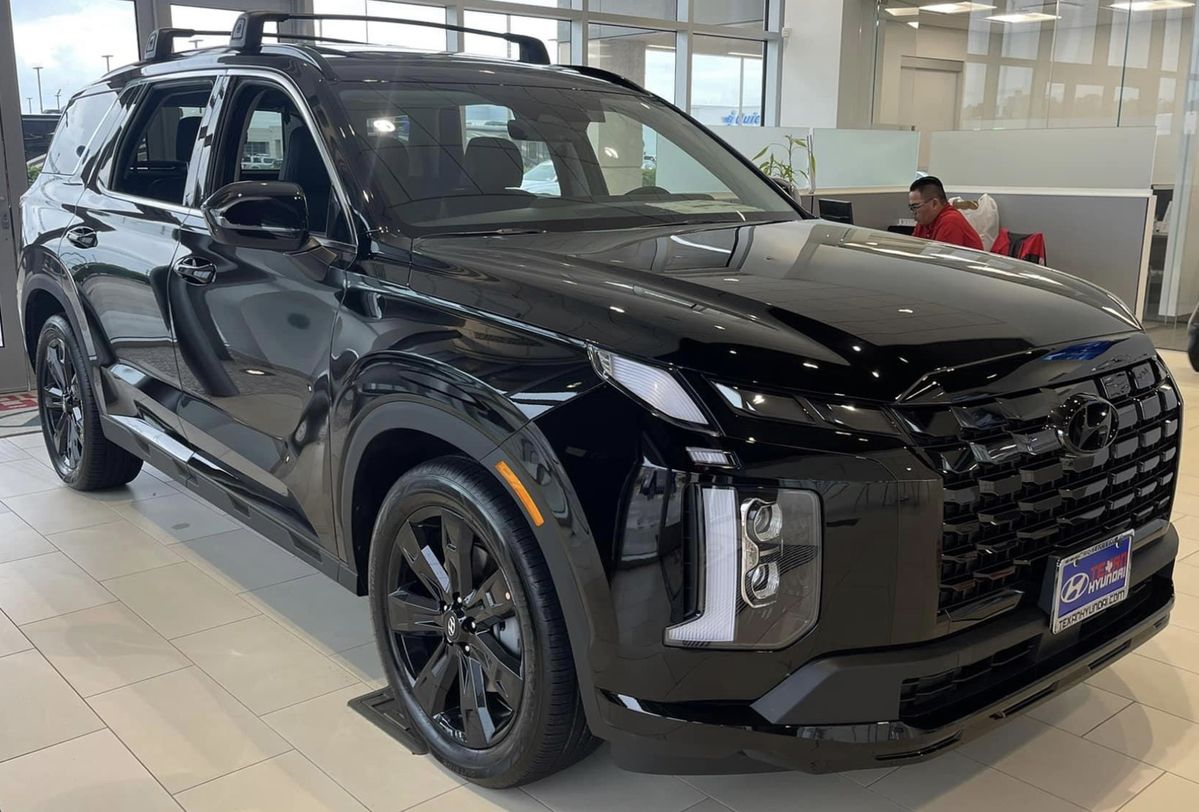
Why Are So Many People Buying the Hyundai Palisade?
When shopping for a family SUV, buyers often look for a vehicle that offers comfort, space, safety, and modern technology without stretching the budget too far. Over the past few years, the Hyundai Palisade has become one of the most popular choices among drivers in several countries. Its combination of premium features, spacious seating, and practical everyday usability has helped it earn a strong reputation in the competitive midsize SUV segment.Whether you're planning long road trips, commuting with a growing family, or simply looking for a vehicle with more passenger and cargo space, the Hyundai Palisade continues to attract attention. But what exactly makes this SUV so popular? Let's explore the reasons why so many people are choosing the Hyundai Palisade. A Stylish SUV That Makes a Strong First Impression The Hyundai Palisade features a bold exterior design that gives it a premium appearance. Its large front grille, modern LED lighting, sculpted body lines, and confident stance help it stand out on city streets and highways alike. Unlike many family SUVs that focus only on practicality, the Palisade combines functionality with an upscale look. Buyers who want a vehicle that feels refined without moving into the luxury SUV price range often find the Palisade to be an attractive option.Its clean styling also appeals to drivers of different age groups, making it a popular choice for families, professionals, and retirees alike. Spacious Interior Designed for Everyday Life One of the biggest reasons buyers choose the Hyundai Palisade is its spacious cabin. With seating for up to eight passengers in many configurations, it offers enough room for large families or groups traveling together. Passengers in both the second and third rows benefit from generous legroom and headroom, making longer journeys much more comfortable than in many smaller SUVs. The flexible seating layout also makes daily life easier. Rear seats can be folded to create a larger cargo area, allowing owners to transport luggage, bicycles, sports equipment, groceries, or camping gear without sacrificing convenience. Whether you're heading to school, work, or a weekend getaway, the Palisade offers the versatility many households need. Premium Features Without a Premium Price Another reason for the Palisade's growing popularity is the value it offers. Many buyers are surprised by the number of premium features included, especially when compared with similarly priced competitors. Depending on the trim level and market, the Hyundai Palisade may include leather seating surfaces, heated and ventilated front seats, heated second-row seats, a panoramic sunroof, multi-zone climate control, power-adjustable seating, ambient interior lighting, and premium interior materials. These features create a cabin that feels comfortable and refined, giving drivers and passengers an experience that often rivals more expensive SUVs. Modern Technology Keeps Everyone Connected Today's SUV buyers expect advanced technology, and the Hyundai Palisade delivers a wide range of convenience features that make every drive more enjoyable. Many models include a large touchscreen infotainment system with smartphone integration through Apple CarPlay and Android Auto. Multiple USB charging ports throughout the cabin help passengers keep their devices powered during long trips. Higher trim levels may also offer wireless charging, premium audio systems, navigation, voice controls, digital instrument displays, and multiple driver information screens. These technologies improve both convenience and entertainment while helping drivers stay connected wherever they travel. Comfortable Driving for City Streets and Highways Comfort is one of the Palisade's strongest qualities. Hyundai designed the SUV to provide a smooth and relaxed driving experience, whether you're navigating city traffic or spending hours on the highway. The suspension absorbs many road imperfections, while the quiet cabin helps reduce outside noise. Supportive seats and a comfortable driving position make longer journeys less tiring. Drivers also appreciate responsive steering, good visibility, and available all-wheel drive in certain markets, providing added confidence in changing weather or road conditions. For families who enjoy road trips, these qualities make the Palisade an appealing travel companion. Safety Features That Inspire Confidence Safety is often the highest priority for SUV buyers, especially families. The Hyundai Palisade offers a comprehensive suite of driver-assistance technologies designed to help improve awareness and reduce driver workload. Depending on the model and trim, available features may include Forward Collision-Avoidance Assist, Blind-Spot Collision Warning, Rear Cross-Traffic Collision Warning, Lane Keeping Assist, Lane Following Assist, Adaptive Cruise Control, Driver Attention Warning, Safe Exit Assist, Parking Distance Warning, and a Surround View Monitor. While these systems are designed to assist the driver rather than replace safe driving practices, they add another layer of confidence for everyday journeys. Who Should Consider Buying the Hyundai Palisade? The Hyundai Palisade is well suited for a wide range of buyers. Growing families benefit from its spacious seating, generous cargo area, and family-friendly features. Frequent travelers appreciate the smooth ride and comfortable interior during long journeys. Professionals who want a premium-looking SUV without entering the luxury segment often find it to be an appealing option. Outdoor enthusiasts also enjoy the flexibility offered by the large cargo space for camping equipment, luggage, and recreational gear. While every buyer has different priorities, the Palisade offers a combination of practicality and comfort that appeals to many lifestyles. Things to Consider Before Making a Purchase Before buying any SUV, it's important to compare available trims, features, ownership costs, fuel economy, warranty coverage, maintenance requirements, and local pricing. Taking a test drive can help you evaluate seating comfort, visibility, handling, and overall driving experience. Comparing the Palisade with similar SUVs in its class can also help you determine which vehicle best fits your budget and daily needs. Keep in mind that available equipment, engine options, and pricing may vary depending on your country and the specific model year. Final Thoughts The Hyundai Palisade has become one of the most popular midsize family SUVs because it successfully combines spacious seating, premium comfort, modern technology, advanced safety features, and everyday practicality in one well-rounded package.Its attractive design, flexible interior, and strong value proposition continue to attract buyers looking for more than just basic transportation. Whether you're upgrading from a smaller SUV or purchasing your first three-row family vehicle, the Hyundai Palisade offers a balanced blend of style, convenience, and versatility. As with any major purchase, researching available models, comparing competitors, and taking a test drive are important steps before making a final decision. By carefully evaluating your family's needs and budget, you can determine whether the Hyundai Palisade is the right SUV for your lifestyle.
More articles to read
How Much Does a Lincoln Corsair SUV Actually Cost?
If you're shopping for a luxury compact SUV, the Lincoln Corsair is likely one of the models you'll come across during your search. Known for its elegant design, premium interior, advanced technology, and comfortable driving experience, the Corsair has become a popular option among buyers looking for a balance of luxury and everyday practicality. One of the most common questions buyers ask is, "How much does a Lincoln Corsair actually cost?" The answer depends on several factors, including the trim level, optional features, drivetrain, model year, and whether you're purchasing a new or pre-owned vehicle. Before making a decision, it's worth comparing the available options to determine which version best suits your needs and budget. What Is the Lincoln Corsair? The Lincoln Corsair is a compact luxury SUV designed for drivers who want premium comfort without moving into the larger SUV segment. It offers seating for five passengers, a refined cabin, modern safety technology, and a smooth driving experience that appeals to commuters, families, and long-distance travelers alike. Compared with many luxury SUVs in its class, the Corsair emphasizes quietness, interior comfort, and advanced driver-assistance features while maintaining a practical size that's easy to drive in both urban and suburban settings. How Much Does a New Lincoln Corsair Cost? The price of a new Lincoln Corsair varies depending on the model year and trim level you choose. Entry-level trims generally start in the lower luxury SUV price range, while higher trims equipped with premium packages and additional technology can cost considerably more. Several factors influence the final purchase price, including: Trim level Engine configuration All-wheel drive or front-wheel drive Optional technology packages Premium interior materials Exterior appearance packages Dealer-installed accessories Destination and delivery charges Because pricing may vary between dealerships and locations, many buyers comprare multiple offers before making a purchase. Understanding the Available Trim Levels Lincoln offers the Corsair in several trim levels, each designed for different preferences. The base trim typically includes premium seating materials, a large touchscreen infotainment system, smartphone connectivity, advanced safety technology, and dual-zone climate control. Mid-level trims often introduce upgraded interior finishes, larger wheels, enhanced driver-assistance systems, panoramic sunroof options, and additional luxury features. Higher trims may include premium leather seating, upgraded audio systems, adaptive suspension, advanced parking assistance, and exclusive exterior styling elements. Comparing the available trims helps buyers determine which features are most important before selecting a model. What Features Come Standard? One reason many shoppers consider the Lincoln Corsair is its generous list of standard equipment. Depending on the model year, standard features may include: Large touchscreen display Wireless Apple CarPlay and Android Auto Digital instrument cluster Blind Spot Information System Lane-Keeping System Automatic Emergency Braking Adaptive Cruise Control (on select trims) Power liftgate Push-button start Premium seating materials Luxury features increase as you move up through the trim lineup. New vs. Certified Pre-Owned Models Not every buyer purchases a brand-new SUV. Many shoppers also compare certified pre-owned Lincoln Corsair models. Certified pre-owned vehicles may offer lower purchase prices while still providing manufacturer-backed inspections and limited warranty coverage, depending on program eligibility. Vehicle condition, mileage, maintenance history, model year, and included equipment all influence the asking price of a pre-owned Corsair. Comparing both new and certified pre-owned options can help buyers identify the best overall value. Ownership Costs Beyond the Purchase Price The vehicle's purchase price is only one part of the ownership experience. Before buying, it's important to consider other ongoing expenses. These may include: Insurance premiums, routine maintenance, fuel costs, registration fees, tire replacement, and scheduled servicing all contribute to the overall cost of ownership. Some buyers also compare financing options, warranty coverage, and maintenance plans before finalizing their purchase. Understanding these expenses provides a more complete picture of long-term vehicle ownership. Comfort and Interior Experience The Lincoln Corsair is often praised for its quiet cabin and comfortable seating. High-quality materials, thoughtful interior design, and available luxury upgrades create an environment that feels refined without being overly complicated. Depending on the trim level, buyers may find heated and ventilated seats, premium leather upholstery, ambient interior lighting, panoramic sunroof options, wireless charging, and customizable digital displays. Rear-seat passengers also benefit from generous legroom and flexible seating configurations, making the Corsair suitable for both daily commuting and longer road trips. Technology and Safety Features Technology plays an important role in the Lincoln Corsair's appeal. Most models include intuitive infotainment systems with voice controls, navigation options, smartphone integration, USB connectivity, and digital driver displays. Safety technologies commonly available include collision warning systems, pedestrian detection, lane-centering assistance, rear parking sensors, adaptive cruise control, and multiple driver-assistance features designed to improve everyday driving confidence. Comparing available technology packages can help buyers choose the model that best fits their expectations. Is the Lincoln Corsair Right for You? Every buyer has different priorities when choosing a luxury SUV. Some value interior comfort, while others prioritize technology, cargo space, or fuel efficiency. The Lincoln Corsair appeals to drivers looking for a premium compact SUV that combines luxury, practicality, and advanced safety features. It competes with several other luxury SUVs, making it worthwhile to compare multiple models before making a final decision. Test-driving different trim levels and reviewing available features can provide valuable insight into which vehicle best suits your lifestyle. Final Thoughts The Lincoln Corsair offers a well-rounded luxury SUV experience with multiple trim levels, modern technology, premium interior materials, and a comfortable driving experience. While the actual purchase price depends on factors such as trim level, optional features, drivetrain, and dealership pricing, comparing several models can help buyers better understand the available options. Before purchasing, take time to compare pricing, available equipment, ownership costs, financing options, and warranty coverage. A thoughtful comparison allows you to choose the Lincoln Corsair that best aligns with your budget, driving needs, and long-term expectations. Whether you're considering a new model or exploring certified pre-owned options, researching carefully can help you make a confident and informed buying decision.
How Much Does an Unsold Hyundai Palisade Cost in 2026?
The Hyundai Palisade, a prominent midsize SUV, has consistently attracted interest from families and automotive enthusiasts due to its spacious design, advanced technology, and strong performance. As the automotive landscape evolves, questions often arise concerning the pricing of vehicles that remain unsold after several production years. In 2026, understanding the factors that influence the cost of unsold Hyundai Palisade models becomes particularly relevant for consumers seeking value and for industry observers analyzing market trends. The cost of such vehicles is shaped by a blend of market dynamics, inventory management strategies, model year considerations, and the overall demand for the Palisade in both primary and secondary markets.Exploring these facets provides a comprehensive perspective on what buyers and stakeholders might expect when considering an unsold Palisade in 2026.In 2026, the cost of an unsold Hyundai Palisade depends on several key factors including inventory levels, age of the vehicle, mileage (if any), model year, trim level, and prevailing market demand. Dealerships and distributors often manage unsold inventory through a variety of strategies, which can affect the final cost presented to buyers. The value of unsold Palisade units is also influenced by the introduction of newer models and technological advancements, which can shift buyer preferences and impact the perceived worth of existing inventory. Additionally, external factors such as economic climate, supply chain conditions, and global automotive trends contribute to price adjustments for unsold vehicles. As a result, buyers in 2026 may encounter a range of costs for Palisade models depending on these variables, with each dealership responding differently based on their unique inventory and regional market pressures. Factors Influencing the Cost of Unsold Hyundai Palisade Vehicles Model Year and Trim: Newer model years and higher trims generally maintain higher value. Inventory Levels: Excess supply can prompt dealerships to adjust costs to encourage purchases. Vehicle Condition: Even unsold vehicles may have minor mileage from test drives or transportation, impacting cost. Market Trends: Shifts in consumer demand for SUVs or specific features can influence pricing. Technological Updates: Introduction of significant updates in newer models can reduce demand for previous versions. Estimated Cost Range for Unsold Hyundai Palisade in 2026 While costs vary by region and dealership, industry data and historical trends indicate that an unsold Hyundai Palisade from model years 2024 or 2025 in 2026 could be listed in the range of 34,000 to 45,000 USD, depending on configuration and mileage. Equivalent values may be approximately 31,000 to 41,000 EUR or 27,000 to 36,000 GBP, subject to current exchange rates. Key Information Table: Unsold Hyundai Palisade Cost Considerations in 2026 Factor Impact on Cost Model Year Newer models typically command higher costs Trim Level Premium trims (e.g., Calligraphy) are valued higher Mileage Lower mileage retains more value Inventory Level High inventory can prompt cost adjustments Market Demand High demand can maintain or increase cost Vehicle Condition Pristine, undriven vehicles are valued more Frequently Asked Questions Are unsold Hyundai Palisade vehicles new or used? Unsold units are typically considered new, though some may have minimal mileage from dealership movement. Can buyers negotiate the cost of an unsold Palisade? Negotiation is possible, especially if dealerships are managing surplus inventory. What warranties apply to unsold vehicles? Standard manufacturer warranties generally begin at the time of first retail sale, regardless of production year. References Hyundai Global Autotrader Cars.com Kelley Blue Book Disclaimer: The content provided on our blog site traverses numerous categories, offering readers valuable and practical information. Readers can use the editorial team’s research and data to gain more insights into their topics of interest. However, they are requested not to treat the articles as conclusive. The website team cannot be held responsible for differences in data or inaccuracies found across other platforms. Please also note that the site might also miss out on various schemes and offers available that the readers may find more beneficial than the ones we cover.
How Much Does A Toyota RAV4 Hybrid Cost in 2026?
The Toyota RAV4 Hybrid has established itself as a popular choice among compact sport utility vehicles, valued for its blend of fuel efficiency, advanced technology, and practical design. As hybrid technology continues to evolve, interest in the cost of owning such vehicles remains high, especially for those considering a purchase in the near future. With the automotive industry facing ongoing changes in production, supply chains, and feature upgrades, understanding the projected costs for the RAV4 Hybrid in 2026 is essential for informed decision-making. This overview explores the anticipated factors influencing cost, available trim levels, and a comparison with other hybrid SUVs, providing a comprehensive perspective for prospective buyers worldwide.The Toyota RAV4 Hybrid, known for its reliability and fuel efficiency, is anticipated to maintain its strong market presence in 2026. As manufacturers integrate new safety features, infotainment advancements, and improvements in hybrid powertrains, the cost of the RAV4 Hybrid is expected to reflect both technological upgrades and global economic trends. While past years have seen moderate adjustments in pricing due to inflation, supply chain factors, and material costs, the RAV4 Hybrid remains positioned as a practical option for those seeking a balance of performance and environmental responsibility. Key considerations such as available trims, standard features, and optional packages also play a significant role in the overall cost, making it important for buyers to review the latest information from official sources and dealerships. Key Factors Affecting the 2026 Toyota RAV4 Hybrid Cost Upgraded hybrid technology and enhanced battery systems Integration of advanced driver assistance and safety systems Changes in production costs, material sourcing, and logistics Availability of new trim variants and optional features Global economic conditions impacting the automotive industry Estimated Price Range and Trim Levels The Toyota RAV4 Hybrid is typically offered in several trims, with each level providing varying features and amenities. For 2026, buyers can expect the following estimated starting prices based on previous trends and current forecasts: Trim Level Estimated Starting Price (USD) Key Features LE Hybrid 31,500 Standard safety, dual-zone climate, smartphone integration XLE Hybrid 33,000 Heated seats, smart key system, blind-spot monitoring SE Hybrid 34,500 Sport styling, enhanced infotainment, sport-tuned suspension XSE Hybrid 36,500 Premium audio, larger wheels, two-tone paint Limited Hybrid 39,000 Leather seats, panoramic roof, adaptive cruise control Comparison with Other Hybrid SUVs (2026) Model Estimated Starting Price (USD) Fuel Economy (mpg) Toyota RAV4 Hybrid 31,500 40 Honda CR-V Hybrid 32,000 38 Ford Escape Hybrid 31,200 39 Hyundai Tucson Hybrid 32,500 38 Frequently Asked Questions Are there expected changes in hybrid incentives for 2026? Incentives may vary by region and governmental policy. Buyers should consult local authorities or official Toyota channels for updated information. What new features might be included in the 2026 RAV4 Hybrid? Anticipated features include advanced safety systems, upgraded infotainment, and improved efficiency through technological advancements. How does the RAV4 Hybrid compare to its competitors? The RAV4 Hybrid remains competitive in terms of fuel economy, standard features, and overall value for the hybrid SUV segment. References Toyota Kelley Blue Book Edmunds Consumer Reports Disclaimer: The content provided on our blog site traverses numerous categories, offering readers valuable and practical information. Readers can use the editorial team’s research and data to gain more insights into their topics of interest. However, they are requested not to treat the articles as conclusive. The website team cannot be held responsible for differences in data or inaccuracies found across other platforms. Please also note that the site might also miss out on various schemes and offers available that the readers may find more beneficial than the ones we cover.
Looking for Property in Dubai? Explore Your Options
Dubai has become one of the world's most sought-after destinations for property buyers. From modern apartments overlooking the city skyline to spacious family villas in peaceful communities, the city offers a wide variety of real estate choices for different lifestyles and budgets. Whether you're planning to relocate, purchase a vacation home, or explore long-term investment opportunities, Dubai provides numerous options worth considering. With new developments continuing to emerge across the city, comparing locations, property types, amenities, and ownership costs before making a decision can help you find a property that meets your personal and financial goals. Why Dubai Continues to Attract Property Buyers Dubai is known for its modern infrastructure, international business environment, world-class shopping, and vibrant lifestyle. Over the years, the city has become home to people from around the globe, creating a diverse and multicultural community. Many buyers appreciate Dubai's well-planned residential developments, high-quality construction standards, and convenient transportation network. The city also offers excellent healthcare facilities, international schools, entertainment venues, and recreational spaces, making it attractive for both individuals and families. Whether you're searching for a home to live in or a property to add to your portfolio, Dubai offers a broad selection of real estate opportunities. Explore Different Types of Properties One of Dubai's biggest advantages is the variety of homes available throughout the city. Buyers can choose from studio apartments, luxury penthouses, waterfront residences, townhouses, family villas, and gated community homes. Apartments remain one of the most popular choices, particularly for professionals who want to live close to business districts, shopping malls, restaurants, and public transportation. These developments often include shared amenities such as swimming pools, gyms, security services, children's play areas, and dedicated parking. Families frequently consider villas and townhouses because they offer additional living space, private gardens, and access to community parks and schools. These homes are often located within master-planned neighbourhoods designed to provide a comfortable residential lifestyle. Luxury buyers may also explore beachfront residences, branded developments, and exclusive communities that offer premium services and exceptional architecture. Popular Areas Worth Comparing Dubai features many well-established communities, each offering a unique living experience. Downtown Dubai remains one of the city's most recognisable locations. It features luxury apartments, premium shopping, fine dining, and famous landmarks, making it popular among professionals and international buyers. Dubai Marina is known for its waterfront lifestyle, modern residential towers, marina views, and vibrant nightlife. It continues to attract both residents and visitors looking for urban living near the coast. Business Bay offers a combination of residential and commercial developments close to major business centers, making it attractive for working professionals. Jumeirah Village Circle (JVC) has become increasingly popular with families and first-time buyers due to its modern communities, green spaces, and variety of apartment and townhouse options. Other well-known communities include Dubai Hills Estate, Palm Jumeirah, Arabian Ranches, Dubai Creek Harbour, and Emaar Beachfront. Comparing different neighborhoods allows buyers to better understand pricing, amenities, transportation access, and future development plans. What Should Buyers Compare? Before purchasing property, it's helpful to compare more than just the asking price. Location plays an important role because it influences commuting time and access to nearby schools, healthcare facilities, shopping centres, and recreational areas. Buyers often consider whether a neighbourhood matches their lifestyle and long-term plans. Property size and layout are equally important. Some buyers prioritise larger living spaces, while others focus on modern designs, outdoor areas, or flexible floor plans. Community amenities such as fitness centres, swimming pools, landscaped parks, walking paths, children's play areas, and security services can also influence buying decisions. The reputation of the property developer, construction quality, building maintenance, and available management services are additional factors many buyers evaluate before making a purchase. Understanding Property Costs The purchase price represents only one part of owning a property in Dubai. Buyers should also understand the additional costs that may be involved throughout the ownership process. These expenses can include registration fees, service charges, maintenance costs, property insurance, utility expenses, and financing costs if a mortgage is used. Some communities may also have annual maintenance fees that contribute to the upkeep of shared facilities. Reviewing the complete cost of ownership allows buyers to prepare realistic budgets and compare different properties more effectively. Lifestyle and Community Features Every neighbourhood in Dubai offers a different lifestyle. Some communities focus on city living with easy access to offices, entertainment, and restaurants, while others emphasise family-friendly environments with parks, schools, and quieter residential streets. Many modern developments include jogging tracks, cycling paths, sports facilities, retail centres, cafés, and community gathering spaces. Buyers often compare these lifestyle features to determine which neighbourhood best suits their daily routines. Visiting different communities before making a decision can provide valuable insight into the atmosphere, accessibility, and overall living experience. Working with Real Estate Professionals Buying property involves several legal and administrative steps. Many buyers choose to work with licensed real estate agents who understand the local market and can explain available options. Professional advisors may also help buyers review property documents, understand the purchase process, compare communities, and answer questions related to ownership regulations. Taking time to work with experienced professionals can help simplify the buying process and provide additional confidence throughout the transaction. Planning Before You Buy Every property purchase should begin with careful planning. Defining your budget, identifying preferred locations, understanding your long-term goals, and comparing multiple properties can help narrow your options. Some buyers prioritize living close to work, while others focus on waterfront views, family-friendly communities, or modern amenities. Understanding your priorities before beginning your search can make the process more efficient and enjoyable. Researching current market trends and visiting several properties can also provide a clearer picture of what's available. Final Thoughts Dubai continues to offer a wide range of real estate opportunities for homebuyers, families, and investors. From stylish city apartments to spacious villas and waterfront residences, the market provides options for different lifestyles and budgets. Before making your decision, compare locations, property types, amenities, ownership costs, and community features. Taking the time to research your options and seek professional guidance can help you better understand the market and choose a property that aligns with your personal needs and long-term goals. A thoughtful approach today can help you find a home or investment that suits your future plans in one of the world's most dynamic real estate markets.
Thinking About Dubai Real Estate? Explore These Investment Opportunities
Dubai has become one of the world's most recognised destinations for real estate investment. Known for its modern skyline, luxury communities, expanding infrastructure, and international business environment, the city continues to attract buyers from many parts of the world. Whether someone is looking for a home, a vacation property, or a long-term investment, Dubai offers a wide range of real estate opportunities. Before making any investment decision, it's important to understand how the market works, compare different property types, and evaluate locations that align with your financial goals. Every investor has unique priorities, so researching available options can help you make a more informed decision. Why Dubai Continues to Attract Property Investors Dubai's real estate market has developed significantly over the past two decades. New residential communities, commercial developments, improved transportation networks, and large-scale infrastructure projects have contributed to the city's growth. In addition, Dubai continues to welcome professionals, entrepreneurs, and international businesses, supporting ongoing demand for residential and commercial properties. Many investors also appreciate Dubai's modern lifestyle, global connectivity, and wide selection of housing options. From waterfront apartments to family villas and branded residences, buyers can explore properties that suit different budgets and preferences Types of Real Estate Available One of Dubai's strengths is the variety of properties available across the city. Apartments remain one of the most popular choices, especially for individuals seeking homes in central locations close to business districts, shopping centres, and public transportation. Families often explore villas and townhouses located in master-planned communities offering parks, schools, fitness facilities, and recreational spaces. These neighbourhoods are designed to support long-term residential living while providing convenient access to essential services. Luxury buyers may also consider waterfront residences, penthouses, or branded developments that feature premium amenities and unique architectural designs. Commercial properties, including office spaces and retail units, are another option for investors interested in business-related opportunities. Popular Areas Worth Exploring Dubai offers many well-established communities, each with its own character and lifestyle. Downtown Dubai is widely recognised for its iconic skyline, luxury apartments, and proximity to major attractions. Dubai Marina attracts residents looking for waterfront living, restaurants, and entertainment. Business Bay is popular among professionals because of its convenient location near commercial offices and residential developments. Jumeirah Village Circle (JVC) has become a favourite for buyers seeking modern apartments and family-friendly communities. Other areas such as Dubai Hills Estate, Palm Jumeirah, Arabian Ranches, and Dubai Creek Harbour continue to attract attention because of their community planning, green spaces, and residential amenities. Comparing different neighbourhoods allows buyers to better understand pricing, accessibility, available facilities, and future development plans. What Should Investors Compare? Choosing the right property involves more than selecting an attractive building. Investors often compare several important factors before making a purchase. Location remains one of the most significant considerations. Properties located near transportation networks, schools, healthcare facilities, shopping centers, and business districts may appeal to a wider range of future residents or tenants. Property size, building quality, developer reputation, maintenance services, available amenities, and community facilities are also commonly reviewed during the decision-making process. Some buyers also compare completed properties with off-plan developments to understand the advantages and timelines associated with each option. Understanding Property Costs The purchase price is only one part of the overall investment. Buyers should also consider additional expenses associated with owning property. These may include registration fees, service charges, maintenance costs, insurance, property management fees, and financing expenses if applicable. Understanding the complete cost of ownership allows investors to prepare realistic budgets before making a commitment. Many buyers compare several properties within the same community to better understand pricing differences and available features. Rental Market Considerations Some investors explore Dubai real estate as part of a long-term rental strategy. Rental demand varies depending on location, property type, nearby employment centres, and local amenities. Areas popular with professionals, families, and international residents often experience consistent interest from renters. However, rental performance may change over time due to market conditions, economic trends, and new housing developments. Reviewing local market information and understanding neighbourhood demand can help investors evaluate different opportunities before purchasing. Working With Experienced Professionals Purchasing property in another country can involve legal and administrative processes that differ from those in your home market. Many buyers choose to work with licensed real estate professionals who understand local regulations and can explain the buying process. Legal advisors, mortgage specialists, and property consultants may also assist buyers in reviewing contracts, financing options, and documentation requirements. Seeking professional guidance can help investors better understand each stage of the transaction. Planning for Long-Term Goals Every property investment should reflect personal financial objectives. Some buyers prioritise future rental income, while others focus on owning a vacation home or relocating to Dubai. Before making a purchase, it's helpful to define your goals, establish a budget, compare available communities, and understand the property's intended purpose. Careful planning often leads to more informed investment decisions. Market conditions can change over time, making ongoing research an important part of responsible property investing. Final Thoughts Dubai continues to offer a diverse real estate market with opportunities across residential, commercial, and luxury property sectors. From modern city apartments to spacious villas and waterfront developments, buyers have access to a wide variety of investment options that cater to different preferences and budgets. Before purchasing property, take time to compare locations, developer reputation, property features, ownership costs, and available amenities. Researching the market carefully and consulting qualified professionals can help you better understand your options and choose a property that aligns with your long-term investment goals. Whether you are purchasing your first international property or expanding an existing portfolio, an informed approach can help you navigate Dubai's dynamic real estate market with greater confidence.
Find the Rental Car That Fits Your Trip and Budget
Whether you're planning a weekend getaway, a cross-country road trip, a family vacation, or a business visit, renting a car can make your travel more convenient and flexible. Across the United States, rental companies offer a wide range of vehicles designed to suit different travel styles and budgets. From compact cars for city driving to spacious SUVs for family adventures, comparing your options before booking can help you find a vehicle that meets your needs without exceeding your budget. Instead of selecting the first available option, take time to compare rental prices, vehicle features, fuel efficiency, and rental policies. A little planning can help you enjoy a smoother travel experience while making the most of your budget. Why Comparing Rental Cars Is Worth It Rental prices can vary depending on where you pick up the vehicle, the time of year, the type of car you choose, and the rental company's policies. Two similar vehicles may have different mileage limits, insurance options, or additional fees, making comparison an important part of the booking process. Comparing multiple rental options allows travelers to evaluate overall value instead of focusing only on the daily rental price. Looking at the complete package—including included features, flexibility, and customer policies—can help you make a more informed decision. Pick the Right Vehicle for Your Travel Plans The best rental car depends on the purpose of your trip. Choosing a vehicle that matches your travel needs can improve comfort, reduce fuel costs, and make driving more enjoyable. Economy and Compact Cars Economy and compact cars are excellent choices for solo travelers, couples, and anyone planning to drive mainly in cities. These vehicles are easy to park, fuel-efficient, and often among the most budget-friendly rental options. Mid-Size and Full-Size Sedans Sedans offer additional passenger room and luggage space while maintaining good fuel economy. They are ideal for business travelers, small families, or longer highway trips. SUVs and Crossovers SUVs provide more seating capacity, larger cargo areas, and increased comfort for long-distance travel. They are popular among families, outdoor enthusiasts, and travelers visiting destinations with varying road conditions. Minivans For larger families or group travel, minivans offer generous seating and cargo capacity. They are particularly useful when traveling with children, multiple suitcases, or sports equipment. Luxury and Premium Vehicles Luxury rental cars combine advanced technology, premium interiors, and enhanced driving comfort. They are often selected for business travel, weddings, special events, or travelers who simply want a more refined driving experience. Compare More Than Just the Price While price is important, it should not be the only factor when selecting a rental car. Comparing included features can help you choose a vehicle that offers better value for your trip. Important features to consider include: Unlimited mileage Automatic or manual transmission Fuel policy Air conditioning Bluetooth connectivity Apple CarPlay or Android Auto GPS navigation Backup camera Cruise control Child safety seat availability Flexible pickup and return locations These features can make your trip more convenient and comfortable, especially during longer journeys. Understand the Total Rental Cost The advertised daily rate does not always reflect the total amount you'll pay. Rental agreements may include additional charges depending on your selections and travel plans. Possible extra costs include: Airport concession fees Local taxes Young driver surcharges Additional driver fees Toll pass programs Fuel replacement charges Optional insurance coverage Late return fees Premium location charges Reviewing the complete pricing breakdown before confirming your reservation can help you avoid unexpected expenses. Flexible Rental Options for Every Traveller Many rental companies now offer flexible booking options that accommodate different travel needs. Whether you need a vehicle for a single day, a weekend, a week, or even several months, there are rental plans available for a variety of situations. Flexible rental options are particularly useful for: Business travelers Vacationers College students Temporary relocation Vehicle repairs Seasonal travel Moving between cities Understanding the available rental terms allows you to choose the option that best fits your schedule. Tips for Saving Money on Your Rental Finding a rental car that fits your budget often comes down to careful planning and comparison. Helpful strategies include: Book your vehicle early, especially during holidays. Compare several rental providers before deciding. Choose a vehicle size that matches your needs. Avoid paying for extras you won't use. Review fuel policies carefully. Check for unlimited mileage if planning long drives. Inspect the vehicle before leaving the rental location. Return the vehicle on time to avoid additional fees. Small decisions throughout the booking process can make a noticeable difference in the final rental cost. Popular Destinations Where Rental Cars Are Common Rental cars are widely available throughout the United States and are especially useful in destinations where public transportation may be limited. Many travellers rent vehicles while visiting cities such as Orlando, Miami, Las Vegas, Los Angeles, Phoenix, Denver, Dallas, Houston, Seattle, Chicago, and Atlanta. Having a rental car provides greater freedom to explore nearby attractions, national parks, scenic highways, beaches, and small towns at your own pace. For many travellers, the flexibility of driving themselves adds convenience and allows them to create a personalised itinerary. Questions to Ask Before Booking Before confirming your reservation, it's helpful to review the rental agreement and ask a few important questions. Consider asking: What is included in the quoted rental price? Are there mileage restrictions? What insurance options are available? What documents are required at pickup? Can the reservation be modified or cancelled? What is the fuel return policy? Are additional drivers allowed? Is roadside assistance included? Having clear answers can help ensure a smoother rental experience from pickup to return. Final Thoughts Finding the rental car that fits your trip and budget is easier when you take the time to compare your options. Looking beyond the advertised daily rate allows you to evaluate vehicle features, rental policies, insurance choices, and overall value. Whether you're traveling for business, taking a family vacation, or planning a scenic road trip, selecting the right vehicle can make your journey more comfortable and enjoyable. By comparing rental companies, reviewing the total cost, and choosing a vehicle that matches your travel plans, you can confidently book a rental car that fits both your needs and your budget. Careful planning today can lead to a more convenient, flexible, and enjoyable travel experience tomorrow.
Need a Rental Car? Explore Your Options Before You Book
Whether you're planning a family vacation, travelling for business, or moving to a new city, or simply need a temporary vehicle while your car is being serviced, renting a car can be a convenient solution. However, with so many rental companies, vehicle types, and pricing options available across the United States, choosing the right rental car can feel overwhelming. Before making a reservation, it's worth taking the time to compare your options. Looking beyond the advertised daily rate can help you find a vehicle that suits your travel plans, budget, and driving preferences. A little research upfront may help you avoid unexpected fees and ensure a smoother rental experience. Why It's Important to Compare Rental Cars Rental car prices can vary based on several factors, including the rental company, pickup location, travel dates, vehicle category, and seasonal demand. Two vehicles that appear similar may include different mileage policies, insurance options, or fuel requirements. Comparing multiple rental options allows you to evaluate the total value of each offer rather than focusing only on the lowest advertised price. It's also an opportunity to review customer policies, available vehicle features, and optional services before making a decision. Choose the Right Vehicle for Your Trip The type of vehicle you rent should match the purpose of your trip. Selecting the right category can improve comfort, convenience, and overall travel experience. Economy and Compact Cars Economy and compact vehicles are ideal for solo travelers, couples, and short city trips. These cars are generally easy to park, fuel-efficient, and well-suited for urban driving. Midsize and Full-Size Sedans Sedans provide additional passenger space and trunk capacity, making them a popular choice for business travelers and small families. SUVs and Crossovers If you're traveling with several passengers or carrying extra luggage, an SUV or crossover may provide the additional space and comfort you need. Many travelers also choose SUVs for road trips because of their versatility. Minivans Families and larger groups often prefer minivans thanks to their spacious seating and generous cargo capacity. They can make long-distance travel more comfortable for everyone. Luxury and Premium Vehicles For special occasions or business travel, luxury vehicles offer premium interiors, advanced technology, and enhanced comfort features. Features to Compare Before Booking The daily rental rate is only one part of the overall cost. Comparing additional features can help you choose the best rental option for your needs. Consider reviewing: Unlimited mileage availability Automatic or manual transmission Fuel policy Number of included drivers GPS navigation availability Apple CarPlay or Android Auto compatibility Bluetooth connectivity Child safety seat availability Roadside assistance options Pickup and return flexibility Understanding these details before booking can help prevent surprises during your trip. Understanding Rental Costs Many travellers focus only on the advertised price, but the final rental cost may include additional charges depending on the agreement. Potential costs may include: Taxes and local fees Airport surcharges Additional driver fees Young driver fees Optional insurance coverage Fuel charges Toll programs Late return fees Reviewing the complete pricing breakdown before confirming your reservation can help you better estimate your travel budget. Insurance and Protection Options Rental companies often provide several protection plans that may cover vehicle damage or liability during the rental period. Depending on your personal auto insurance policy or credit card benefits, you may already have some level of coverage. Before accepting optional protection plans, consider checking: Your personal auto insurance coverage Credit card rental benefits Travel insurance policies Rental company protection options Understanding your coverage in advance can help you make informed decisions at the rental counter. Tips for Saving on Your Rental Car Planning ahead can often make the rental process easier and may provide access to a wider selection of vehicles. Helpful tips include: Book your rental early, especially during holidays and peak travel seasons. Compare prices from multiple rental providers. Be flexible with pickup locations if possible. Select only the extras you actually need. Read the rental agreement carefully before signing. Inspect the vehicle before driving away and report any existing damage. Return the vehicle on time to avoid late fees. These simple steps can contribute to a more convenient rental experience. Popular Rental Locations Across the USA Rental cars are available in thousands of locations throughout the United States. Travelers frequently rent vehicles from airports, downtown business districts, suburban neighborhoods, and transportation hubs. Popular destinations where rental cars are commonly used include: Orlando for family vacations Las Vegas for sightseeing Los Angeles for road trips Miami for beach travel New York for regional travel Phoenix for desert adventures Denver for mountain excursions Dallas and Houston for business travel Chicago for city and suburban exploration Seattle for scenic drives throughout the Pacific Northwest Each destination offers different vehicle availability, pricing, and rental policies, making comparison an important part of the booking process. Questions to Ask Before You Confirm Your Reservation Before finalizing your booking, take a few moments to review the rental details carefully. Helpful questions include: What is included in the quoted price? Are there mileage limits? What is the fuel return policy? Can I modify or cancel my reservation? What documents are required at pickup? Are there age restrictions? Is roadside assistance available? What happens if my flight is delayed? Having clear answers to these questions can help you avoid unexpected issues on the day of pickup. Final Thoughts Renting a car can provide flexibility and convenience, whether you're traveling for business, vacation, or everyday transportation needs. With so many vehicle choices, pricing options, and rental companies available across the United States, comparing your options before booking is one of the smartest ways to make an informed decision. Instead of choosing the first offer you see, take time to compare vehicle types, rental policies, included features, insurance options, and total costs. A little extra research can help you find a rental car that fits your travel plans, budget, and comfort preferences, making your journey more enjoyable from start to finish.
Rental Apartments in the USA – Compare Features and Prices
Searching for a rental apartment in the United States can be exciting, but with so many choices available, finding the right one requires careful comparison. Every renter has different priorities—some focus on affordability, while others value location, amenities, or flexible lease terms. Comparing apartment features and prices before making a decision can help you find a home that meets both your lifestyle and budget. Whether you're moving for a new job, starting college, relocating with your family, or simply looking for a new neighbourhood, taking time to compare rental options is an important first step. Why Comparing Apartments Matters No two apartment communities are exactly alike. Monthly rent, including amenities, lease terms, and neighbourhood features can vary significantly, even within the same city. Instead of choosing the first available apartment, comparing several options allows renters to better understand what each property offers. When comparing apartments, consider: Monthly rental price Lease length Apartment size and layout Included utilities Community amenities Parking availability Pet policies Maintenance services Location and nearby attractions Looking beyond the monthly rent often helps renters identify the best overall value. Apartment Features Worth Considering Modern apartment communities often provide amenities designed to make everyday living more comfortable and convenient. While some renters prioritize affordability, others may prefer properties with additional features that enhance their daily routine. Popular apartment features include: Spacious Floor Plans Studio, one-bedroom, two-bedroom, and larger apartments are available to accommodate different household sizes. Consider how much living space you'll need today and in the near future. Updated Kitchens Many apartments now include modern kitchens with energy-efficient appliances, generous cabinet space, and durable countertops that make meal preparation easier. In-Unit Laundry Having a washer and dryer inside the apartment saves time and eliminates trips to shared laundry facilities. Fitness Centers Many apartment communities include fitness centers, allowing residents to exercise without purchasing a separate gym membership. Swimming Pools and Outdoor Spaces Community pools, grilling areas, walking trails, and landscaped courtyards provide additional recreational opportunities for residents. Pet-Friendly Communities Many renters own pets, making pet-friendly apartment communities an important consideration. Always review pet policies, breed restrictions, and any additional fees before signing a lease. Understanding Apartment Prices Rental prices differ based on several important factors. Apartments located in major metropolitan areas generally cost more than those in suburban or smaller communities. Likewise, newly constructed buildings with premium amenities may have higher monthly rents than older properties. Some factors that influence apartment pricing include: City and neighborhood Apartment size Building age Included amenities Public transportation access Local demand Lease duration While lower rent may seem appealing, comparing the total value of each property often leads to a better long-term decision. Popular Cities with Diverse Rental Options The United States offers rental apartments in cities that fit a wide range of budgets and lifestyles. Urban areas often provide convenient access to employment, entertainment, shopping, and public transportation, while suburban communities may offer quieter neighbourhoods and additional living space. Many renters explore apartments in cities such as: New York City Chicago Dallas Houston Austin Phoenix Atlanta Charlotte Denver Seattle Orlando Tampa Each city offers unique housing options, making it worthwhile to compare neighbourhoods before selecting an apartment. Questions to Ask Before Renting Before signing a lease, it's important to understand the details of the rental agreement. Asking a few key questions can help you avoid unexpected costs and ensure the apartment meets your needs. Helpful questions include: What lease terms are available? Which utilities are included in the rent? Is renters insurance required? What is the security deposit amount? Are parking spaces included? How are maintenance requests handled? Are pets allowed? What fees apply at move-in or move-out? Reviewing the lease carefully can help you make a more informed decision. Tips for Comparing Rental Apartments A successful apartment search involves more than comparing rental prices. Consider creating a checklist that includes the features most important to you. Useful tips include: Set a realistic monthly housing budget. Compare several apartment communities. Read resident reviews when available. Visit the property or take a virtual tour. Check the neighborhood during different times of the day. Estimate commuting time to work or school. Review lease terms before signing. Taking these steps can make the apartment search more organized and less stressful. Choosing the Apartment That Fits Your Needs The ideal apartment is different for every renter. Some people prefer living close to downtown business districts, while others prioritize larger floor plans, outdoor space, or family-friendly neighborhoods. Balancing price with the features that matter most can help you find a rental that suits your lifestyle. Instead of focusing on rent alone, consider the complete living experience, including convenience, amenities, neighborhood accessibility, and long-term value. Final Thoughts Finding a rental apartment in the USA is easier when you compare features and prices before making a commitment. Looking beyond the monthly rent allows you to evaluate amenities, lease flexibility, location, and overall value, helping you make a confident rental decision. Whether you're searching for your first apartment, relocating to a new city, or simply exploring different housing options, taking time to compare multiple properties can help you find a place that feels like home while staying within your budget.
Explore Rental Apartments with Flexible Lease Options
Finding the right apartment involves more than choosing a convenient location or a comfortable layout. Many renters today are also looking for flexibility, especially when it comes to lease terms. Whether you're relocating for work, attending college, working remotely, or simply unsure where you'll settle long-term, apartments with flexible lease options can make the renting process much easier. Unlike traditional 12-month leases, flexible lease agreements may offer shorter rental periods or allow renters to extend their stay based on their needs. This added convenience has made flexible leases increasingly popular in many cities across the United States. What Is a Flexible Lease? A flexible lease is a rental agreement that provides more options than a standard long-term lease. Depending on the property, renters may find month-to-month agreements, three- or six-month leases, or the ability to renew for different lengths of time. These options can be especially helpful for people who are: Moving to a new city for a job Completing internships or temporary work assignments Attending college or graduate school Waiting to purchase a home Working as traveling healthcare professionals Exploring a new neighborhood before making a long-term commitment Not every apartment community offers flexible leasing, so it's worth comparing available options before making a decision. Benefits of Choosing a Flexible Lease Apartment One of the biggest advantages of a flexible lease is convenience. Renters can adjust their housing plans as life changes without being locked into a lengthy agreement. Flexible leases may also offer benefits such as: Greater freedom to relocate when needed Less commitment for short-term living arrangements More opportunities to explore different neighborhoods Easier transitions during career or lifestyle changes Rental options that better match changing personal needs While shorter leases may sometimes have different pricing than longer agreements, many renters find that the added flexibility is worth considering. Features to Look for When Comparing Apartments When exploring rental apartments, lease flexibility is only one part of the decision. It's also important to compare the overall value offered by each property. Some features to evaluate include: Apartment size and floor plan Monthly rent and included utilities Parking availability Pet policies Laundry facilities Fitness centers and community amenities Public transportation access Internet availability Safety features and building maintenance Nearby grocery stores, restaurants, and parks Creating a comparison list can make it easier to identify which apartment best fits your lifestyle and budget. Popular Cities Offering a Wide Range of Rental Choices Many large metropolitan areas offer a broad selection of apartments with varying lease terms. Cities such as New York, Dallas, Houston, Austin, Phoenix, Atlanta, Charlotte, Denver, Seattle, and Orlando continue to attract renters with diverse housing options. Each city has its own rental market, pricing, and availability. Some neighborhoods may offer newly built apartment communities with modern amenities, while others provide more affordable housing options close to public transportation or business districts. Comparing multiple locations can help renters discover opportunities that align with both their financial goals and daily routines. Questions to Ask Before Signing a Lease Before choosing an apartment, it's important to understand the details of the lease agreement. Asking the right questions can help prevent surprises later. Consider asking: What lease lengths are available? Is renewal offered after the initial term? Are there additional fees for shorter leases? What utilities are included? What is the security deposit requirement? Are pets allowed? What is the maintenance response process? Are there any community rules or restrictions? Reviewing the lease carefully ensures you understand your responsibilities before moving in. Tips for Finding the Right Apartment Starting your apartment search early gives you more opportunities to compare available listings. Setting a realistic monthly budget can help narrow your options while avoiding unnecessary financial stress. It's also helpful to: Compare several apartment communities before deciding. Read recent resident reviews. Schedule property tours when possible. Verify commuting times to work or school. Consider future housing needs before selecting a lease length. Taking time to compare different properties can lead to a more informed rental decision. Final Thoughts Flexible lease apartments provide an attractive option for renters who value convenience and adaptability. Whether you're planning a short-term stay, relocating for work, or simply exploring a new city, comparing apartments with flexible lease options can help you find housing that fits your current needs. Every renter's situation is different, so evaluating lease terms alongside apartment features, amenities, location, and overall costs is an important step. By comparing multiple rental options and reviewing lease details carefully, you can make a confident decision and find an apartment that supports both your lifestyle and your future plans.
Best New Car Deals This Month That You Should Not Miss!
Buying a new car is a major investment, and timing can make a significant difference in how much you save. Every month, automakers across the United States introduce attractive financing offers, lease specials, cashback incentives, and low-interest loans to encourage new buyers. Whether you're shopping for a family SUV, a fuel-efficient sedan, a rugged pickup truck, or a modern electric vehicle, this month brings plenty of opportunities to reduce your overall purchase cost. Many dealerships are also competing for customers by offering additional discounts, making it an excellent time to compare vehicles before making a decision. Below are some of the standout new car deals currently available across the U.S. Why This Month Is a Good Time to Buy Automakers frequently refresh incentives at the beginning of each month to maintain sales momentum. Buyers may find benefits such as: Low or 0% APR financing for qualified buyers Cash rebates on selected models Lease specials with lower monthly payments Loyalty and military discounts Trade-in bonuses Dealer-exclusive incentives With multiple manufacturers offering promotions simultaneously, shoppers have more negotiating power than usual. Recent industry listings show strong financing offers, rebates, and lease incentives across many popular brands. 1. Toyota C-HR Drivers interested in a compact crossover should take a close look at the latest Toyota C-HR. This month's promotions include attractive financing for qualified buyers, making it one of the better values in Toyota's lineup. Highlights include: Up to 0% APR financing for eligible buyers Comfortable interior Modern safety technology Efficient hybrid-inspired performance This vehicle is ideal for commuters, first-time buyers, and small families looking for practicality without sacrificing comfort. 2. Hyundai IONIQ 5 Electric vehicles continue to receive some of the strongest incentives available, and the Hyundai IONIQ 5 remains among the most attractive options this month. Current offers may include: 0% financing for qualified buyers Deferred payments on select financing plans Competitive lease pricing The IONIQ 5 offers fast charging capability, impressive driving range, spacious seating, and advanced technology that appeals to drivers making the switch to electric transportation. 3. Chevrolet Silverado 1500 Truck buyers also have excellent opportunities this month. The Chevrolet Silverado 1500 continues to feature competitive financing offers that can significantly lower ownership costs. Reasons buyers choose the Silverado include: Strong towing capability Multiple engine options Comfortable cabin Advanced driver-assistance features For homeowners, contractors, and outdoor enthusiasts, this truck delivers both work capability and everyday comfort. 4. Kia Niro EV The Kia Niro EV stands out as one of the strongest overall value deals available this month. Available promotions may include: 0% APR financing Bonus cash incentives Attractive lease offers The Niro EV combines excellent efficiency with a practical crossover design, making it an appealing choice for buyers looking to reduce fuel costs while enjoying modern technology. 5. Hyundai Palisade Families looking for a three-row SUV should consider the Hyundai Palisade. Current promotions include financing offers and purchase incentives that make this premium SUV even more attractive. Popular features include: Spacious seating for up to eight passengers Premium interior Excellent safety ratings Smooth highway driving The Palisade continues to compete with many luxury SUVs while maintaining a more affordable price point. 6. Ford F-150 America's best-selling pickup remains a strong value this month thanks to generous manufacturer incentives. Some buyers may qualify for: Employee pricing programs Additional cashback offers Financing specials The Ford F-150 continues to offer impressive towing capacity, advanced technology, and multiple engine choices to meet a wide variety of driving needs. 7. Mazda3 Drivers looking for an affordable sedan or hatchback should consider the Mazda3. Available promotions may include: Customer cash rebates Loyalty incentives Competitive financing The Mazda3 offers premium styling, enjoyable driving dynamics, and one of the nicest interiors in its class. 8. Tesla Model Y Electric vehicle shoppers may also find attractive financing opportunities on the Tesla Model Y this month. The Model Y remains one of America's most popular electric SUVs thanks to: Long driving range Fast charging network Advanced driver-assistance technology Spacious cargo area Combined with promotional financing, it becomes an even more compelling option for buyers considering an EV. Tips Before Choosing a Deal Before signing any purchase agreement, compare offers carefully. A lower monthly payment doesn't always mean the best overall value. Remember to: Compare financing rates from multiple lenders. Check if cashback and low-interest financing can be combined. Ask about dealer fees before finalising the purchase. Review the manufacturer's warranty coverage. Compare insurance costs for different models. Read all financing terms carefully. Taking a little extra time to compare offers can save thousands of dollars over the life of your vehicle. Final Thoughts This month presents excellent opportunities for American car buyers. Whether you're interested in a reliable commuter car, a family-friendly SUV, a capable pickup truck, or an all-electric vehicle, manufacturers are offering competitive financing and cash incentives across many popular models. From the Toyota C-HR and Hyundai IONIQ 5 to the Chevrolet Silverado 1500, Kia Niro EV, Ford F-150, Mazda3, and Tesla Model Y, there are deals available for nearly every budget and lifestyle.
6 Reasons The Honda Jazz Stands Out In 2026
The Honda Jazz continues to carve a unique position among compact cars in 2026, appealing to a broad range of buyers seeking innovation, practicality, and style. As the hatchback segment grows more competitive, the Jazz has evolved with a suite of advanced features and design improvements. From its dynamic Honda Jazz features to enhanced safety systems and a refined interior, the Jazz stands out as a strong option for those evaluating compact car recommendations. This overview explores why choose Honda Jazz for your next vehicle, examining its standout characteristics, recent technology upgrades, and what sets it apart from other options in its class.Whether you are a first-time buyer or an experienced owner looking for a reliable upgrade, learning about the Honda Jazz standout features and ownership experience can help inform your decision. In 2026, the Honda Jazz emerges as a compelling contender for those seeking a versatile and dependable compact car. With a reputation for reliability and a forward-thinking approach to design, the new Honda Jazz innovations deliver a blend of style, functionality, and technology. The Honda Jazz interior design reflects attention to detail and comfort, while its fuel efficiency continues to attract urban drivers. For those considering the best hatchback 2026 options, understanding the 2026 Honda Jazz benefits can make a significant difference. Honda Jazz buyers guide materials consistently highlight its performance, customer reviews, and competitive Honda Jazz pricing. When comparing Honda Jazz vs competitors, key factors such as safety features, performance, and technology upgrades play a central role in the buying process, making it essential to examine each area in detail for a comprehensive evaluation. Key Reasons the Honda Jazz Stands Out in 2026 1. Versatile Interior Design Spacious cabin with flexible seating configurations. Flat-folding "Magic Seats" for increased cargo space, widely regarded as a hallmark of Honda Jazz interior design. Pleasant materials and ergonomic controls for enhanced driving comfort. 2. Advanced Fuel Efficiency Hybrid powertrains that deliver impressive Honda Jazz fuel efficiency. Eco-driving modes and regenerative braking contribute to lower running costs and environmental impact. 3. Comprehensive Safety Features Honda Sensing suite including adaptive cruise control, lane-keeping assist, and collision mitigation systems. Multiple airbags and reinforced body structure, emphasizing Honda Jazz safety features. 4. Technology Upgrades Large touchscreen infotainment system with smartphone integration. Wireless charging and advanced connectivity options reflecting new Honda Jazz innovations. 5. Refined Performance and Reliability Responsive hybrid engines providing a smooth and quiet ride. Consistently high Honda Jazz customer reviews for long-term reliability and low maintenance. 6. Ownership Experience and Value Transparent Honda Jazz pricing and accessible maintenance plans. Strong resale values, making it a wise choice for those seeking compact car recommendations. Honda Jazz vs Competitors: Key Information Table Model Key Features Fuel Efficiency (L/100km, Hybrid) Safety Technology Infotainment Honda Jazz Magic Seats, Hybrid Options, Honda Sensing 4.2 Comprehensive 8" Touchscreen, Wireless Toyota Yaris Hybrid, Pre-Collision System 4.3 Comprehensive 7" Touchscreen Volkswagen Polo Modern Design, Digital Cockpit 5.0 Standard 8" Touchscreen Ford Fiesta Agile Handling, SYNC 3 5.4 Standard 8" Touchscreen Frequently Asked Questions Is the Honda Jazz reliable for long-term ownership? Yes, Honda Jazz reliability is frequently mentioned in customer reviews, with many owners reporting trouble-free usage for years. What sets the Honda Jazz apart from its competitors? Key attributes include versatile interior design, advanced hybrid fuel efficiency, and innovative Honda Jazz technology upgrades. How does Honda Jazz pricing compare to other hatchbacks? While pricing varies by market, the Jazz is known for providing strong value relative to its features and ownership experience. References Honda Official Website Cars.com Autocar Edmunds Disclaimer: The content provided on our blog site traverses numerous categories, offering readers valuable and practical information. Readers can use the editorial team’s research and data to gain more insights into their topics of interest. However, they are requested not to treat the articles as conclusive. The website team cannot be held responsible for differences in data or inaccuracies found across other platforms. Please also note that the site might also miss out on various schemes and offers available that the readers may find more beneficial than the ones we cover.
Can Smart Hotel Planning Make Your World Cup Trip More Affordable?
The FIFA World Cup is one of the most exciting sporting events on the planet. Millions of football fans travel across the globe to watch matches, experience the atmosphere, and support their favorite teams. While the excitement is undeniable, travel costs can quickly add up, especially when it comes to accommodation. Many travelers wonder whether careful hotel planning can help them manage their travel budget more effectively. The answer is often yes. Smart hotel planning is not just about finding the lowest room rate. It involves comparing locations, understanding accommodation options, and identifying services that provide the best overall value. By planning ahead and exploring multiple choices, travelers may discover accommodation options that better match their needs and budget. Why Hotel Costs Often Increase During the World Cup Major international sporting events typically attract a large number of visitors. Fans, media professionals, sponsors, and tourists often travel to host cities at the same time. This increased demand can affect hotel availability and pricing in popular areas. Hotels located near stadiums, fan zones, and major tourist attractions may receive significant booking interest. As a result, many travelers begin researching accommodation well before their departure dates. Early planning can provide access to a wider range of available options and help travelers understand the accommodation market before making a decision. Exploring Different Accommodation Types Many travelers automatically search for traditional hotels when planning a World Cup trip. However, there are often several accommodation categories available depending on the destination. Serviced apartments can provide additional space and flexibility for longer stays. Guesthouses may offer a more local experience, while vacation rentals can appeal to families or groups traveling together. Hostels are also popular among budget-conscious travelers seeking social environments and convenient locations. Comparing different accommodation types can help travelers identify options that suit their travel style and expectations. Location Matters More Than You Think One common mistake travelers make is focusing exclusively on properties located next to stadiums. While proximity can be convenient, accommodations slightly outside the busiest areas may provide additional choices and flexibility. Many experienced travelers look for hotels near public transportation networks. Easy access to trains, buses, and transit stations can make it simple to travel between match venues, city centers, and popular attractions. A well-connected location may sometimes offer greater value than a property located directly next to a stadium. Comparing Amenities and Services Price is important, but amenities can also influence overall travel costs. Some hotels include features that may add convenience during your trip. Complimentary breakfast, Wi-Fi access, airport transportation, and flexible check-in services are examples of amenities many travelers consider. These features can contribute to a smoother travel experience and may reduce additional expenses during the trip. Reviewing what is included with each booking can help travelers compare options more effectively. The Value of Reading Reviews Online reviews can be one of the most useful resources when selecting accommodation. Previous guests often share information about cleanliness, comfort, customer service, and overall satisfaction. Reading reviews from multiple sources can provide valuable insights beyond the property's official description. Travelers frequently use reviews to understand what to expect before making a reservation. While experiences vary from person to person, customer feedback can be a helpful part of the decision-making process. Using Technology to Compare Hotels Today's travelers have access to a wide range of hotel comparison tools and booking platforms. These resources allow users to review room types, compare amenities, view photos, and evaluate locations from multiple providers. Instead of selecting the first option that appears, many travelers compare several properties before finalizing their choice. This approach can provide a clearer understanding of available accommodation options and help identify properties that align with individual preferences. Planning for the Entire Travel Experience Smart hotel planning goes beyond simply reserving a room. Travelers often consider transportation, dining options, nearby attractions, and overall convenience when evaluating accommodation choices. A hotel that appears slightly more expensive initially may offer greater overall value due to its location or included services. Looking at the complete travel experience can help travelers make more informed decisions. Final Thoughts The FIFA World Cup is an unforgettable experience for football fans around the world. While accommodation can represent a significant portion of travel expenses, careful planning may help travelers identify options that fit their needs and budget. Before booking your World Cup hotel, take time to compare locations, amenities, accommodation types, and guest reviews. Smart hotel planning can help you better understand your options and may contribute to a more comfortable and enjoyable tournament experience from start to finish.
Before Booking a World Cup Hotel, Have You Seen These Options?
Attending the FIFA World Cup is a dream for many football fans around the world The excitement of watching top teams compete, experiencing the atmosphere inside the stadium, and exploring a host country can make the tournament an unforgettable experience. However, one of the biggest challenges travelers often face is finding suitable accommodation. With thousands of visitors arriving from different countries, hotel demand can increase significantly during the tournament. This is why many experienced travellers spend time comparing accommodation options before making a reservation. Before booking a World Cup hotel, it may be worth exploring the various accommodation choices available. Understanding your options can help you find a place that matches your travel preferences, location requirements, and budget expectations. Why Hotel Planning Matters Accommodation is often one of the largest travel expenses during major sporting events. Hotels located near stadiums and popular tourist areas may attract significant attention from travelers. As availability changes, room options can become more limited, making early research an important part of trip planning. Many visitors discover that comparing accommodation choices before booking helps them better understand available locations, amenities, and transportation options. A little extra research can provide greater flexibility when selecting where to stay. Looking Beyond Traditional Hotels While traditional hotels remain a popular choice, they are not the only accommodation option available during the World Cup. Depending on the destination, travelers may also explore serviced apartments, guesthouses, boutique hotels, vacation rentals, and hostels. Each option offers a different experience. Some travelers prefer the convenience and services offered by hotels, while others prioritize larger living spaces or a more local experience. Exploring multiple accommodation categories may reveal options that better align with individual travel needs. Location Can Make a Difference One of the first factors many travelers consider is location. Staying close to a stadium may seem appealing, but accommodations in nearby neighborhoods or surrounding areas can sometimes offer additional choices and flexibility. Many visitors focus on locations with convenient access to public transportation. Easy access to trains, buses, or shuttle services can make traveling between hotels, stadiums, and tourist attractions more convenient throughout the tournament. Understanding local transportation networks can help travelers make more informed accommodation decisions. What Features Are Important to You? Different travelers prioritize different amenities when choosing a hotel. Some guests focus on convenience features such as Wi-Fi, breakfast options, and flexible check-in services. Others may prioritize room size, fitness facilities, business services, or family-friendly accommodations. Before making a reservation, it can be helpful to identify which features matter most to you. Comparing amenities across different properties may help narrow your choices and improve your overall travel experience. The Importance of Reading Reviews Online reviews have become an important resource for travelers. Previous guests often share insights about room quality, cleanliness, customer service, and overall satisfaction. Reading reviews from multiple sources can provide a broader understanding of what to expect from a property. While individual opinions vary, reviews may help highlight strengths and potential considerations that are not immediately obvious from hotel descriptions alone. Comparing More Than Just Price Price is often an important factor when booking accommodation, but it is not the only consideration. Two hotels with similar rates may offer very different experiences depending on location, amenities, transportation access, and included services. Many experienced travelers focus on overall value rather than simply selecting the lowest available rate. Evaluating what is included with the booking can provide a clearer picture of the accommodation's overall appeal. Booking With Confidence Modern travel platforms make it easier than ever to compare accommodation options. Travelers can review photos, compare amenities, read guest reviews, and evaluate locations from multiple providers before making a decision. Taking time to compare available choices may help travelers identify accommodations that align more closely with their travel goals. Whether you're attending a single match or following your team throughout the tournament, a thoughtful booking process can contribute to a smoother travel experience. Final Thoughts The FIFA World Cup is one of the most exciting sporting events in the world, and accommodation planning plays an important role in creating a successful trip. With numerous hotels and lodging options available, comparing choices before booking can help travelers better understand what is available and what best fits their needs. Before reserving your World Cup accommodation, consider exploring different locations, amenities, and accommodation types. A little extra research today could help you enjoy a more comfortable and memorable tournament experience tomorrow.
Student Apartments Guide – Compare Housing Options Near Campus
Choosing where to live is one of the most important decisions students make before starting college or university. A comfortable and convenient apartment can make daily life easier, improve study habits, and help students enjoy a more balanced academic experience. With many housing options available near campuses, comparing apartments carefully can help students find a living arrangement that suits their needs, preferences, and budget. Student apartments come in various sizes, styles, and price ranges. Some are located within walking distance of campus, while others may offer transportation services or easy access to public transit. Understanding the different housing options available can help students make informed decisions before signing a lease. Why Many Students Choose Apartments Near Campus Living near campus offers several advantages for students. One of the most obvious benefits is convenience. Shorter travel times can make it easier to attend classes, participate in campus activities, and access university facilities such as libraries, study centres, and recreational areas. Many students also appreciate the flexibility that apartment living can provide. Depending on the property, students may have access to private bedrooms, shared living spaces, furnished units, and various amenities designed to support student lifestyles. Additionally, living close to campus can help students build social connections and become more involved in university life. Types of Student Housing Options Students typically have several housing choices available when searching for accommodations. Shared Apartments Shared apartments are among the most common housing options for students. In these arrangements, multiple students share common areas such as kitchens, bathrooms, and living rooms while maintaining separate bedrooms. Benefits may include: Lower housing costs Shared utility expenses Opportunities to build friendships Larger living spaces Many students choose shared apartments to reduce expenses while enjoying a social living environment. Studio Apartments Studio apartments combine living, sleeping, and kitchen areas into a single open space. Advantages often include: Greater privacy Independent living Simplified maintenance Personal control over the environment Studio apartments may appeal to students who prefer quiet study environments and independent lifestyles. One-Bedroom Apartments One-bedroom apartments provide separate sleeping and living spaces, offering additional privacy and comfort. Students who value personal space often explore one-bedroom options, particularly graduate students or those with demanding academic schedules. Student-Focused Apartment Communities Many apartment complexes are designed specifically for students and offer amenities tailored to campus life. Common features may include: Study lounges Fitness centers High-speed internet Community events Group study areas Furnished units These communities often create an environment that supports both academic and social activities. Factors to Consider When Comparing Apartments Selecting a student apartment involves more than simply finding the lowest monthly rent. Several factors can influence overall satisfaction and convenience. Location Location is often one of the most important considerations. Students may want to evaluate: Distance from campus Access to public transportation Nearby grocery stores Restaurants and cafes Safety considerations Access to healthcare services Living closer to campus can reduce commuting time and transportation expenses. Cost and Budget Housing expenses can vary significantly depending on the city, property type, and available amenities. Students should consider: Monthly rent Security deposits Utility costs Internet services Parking fees Maintenance costs Understanding the total cost of living can help students create realistic budgets. Apartment Amenities Amenities can affect both comfort and convenience. Popular apartment features include: Laundry facilities Fitness centers Study rooms Furnished apartments Air conditioning Secure entry systems Parking availability Students should compare amenities based on their individual priorities and daily needs. Understanding Lease Agreements Before signing a lease, students should carefully review all rental terms and conditions. Important details may include: Lease duration Payment schedules Guest policies Maintenance responsibilities Security deposit requirements Early termination policies Reading lease agreements thoroughly can help prevent misunderstandings later. Questions Students Should Ask Before Renting When touring apartments or speaking with property managers, students may find it helpful to ask: What utilities are included in the rent? Is internet service available? Are furnished units offered? What transportation options exist? How are maintenance requests handled? Are roommate matching services available? What security measures are in place? Obtaining clear answers can make apartment comparisons easier. Creating a Comfortable Student Living Environment After choosing an apartment, students can take steps to create a productive and comfortable living space. Helpful ideas include: Establishing a dedicated study area Orgawell-organisednizing storage efficiently Maintaining a regular cleaning schedule Setting household expectations with roommates Creating a balanced work and relaxation environment A well-organized apartment can contribute to academic success and overall well-being. Benefits of Planning Ahead Starting the apartment search early often provides more options and flexibility. Popular student housing locations can fill quickly, especially before a new academic term begins. Early planning may help students: Compare more properties Evaluate pricing options Secure preferred locations Review lease agreements carefully Coordinate moving arrangements Allowing sufficient time for research can reduce stress during the housing search process. Final Thoughts Finding the right student apartment involves comparing location, cost, amenities, lease terms, and lifestyle preferences. Whether choosing a shared apartment, studio, one-bedroom unit, or student-focused housing community, taking time to evaluate available options can help students identify accommodations that support both academic success and personal comfort. By researching housing opportunities near campus and planning ahead, students can make informed decisions and enjoy a positive living experience throughout their educational journey.
Where Are FIFA World Cup Travelers Staying During the Tournament?
The FIFA World Cup is more than just a sporting event. It is one of the largest global gatherings, attracting millions of fans, tourists, media professionals, and business travellers from around the world. As excitement builds around each tournament, one question frequently arises among travellers planning their trip: Where are FIFA World Cup travellers staying during the tournament? With matches taking place across multiple cities and thousands of visitors arriving every day, accommodation becomes an important part of the overall World Cup experience. From luxury hotels and city-centre properties to vacation rentals and budget-friendly stays, travellers have more choices than ever before. Understanding these options can help visitors plan a more comfortable and enjoyable trip. Why Accommodation Becomes a Major Topic During the World Cup The FIFA World Cup creates a unique travel environment. Unlike a traditional vacation where travelers may stay in a single destination, many football fans move between cities to watch multiple matches. This increases demand for accommodations across various locations throughout the tournament. Hotels, serviced apartments, vacation rentals, and other lodging options often become popular among visitors looking for convenience and accessibility. As match schedules are announced, many travelers begin researching accommodation choices months in advance to better understand available options. The combination of international tourism and football enthusiasm makes accommodation planning one of the most discussed aspects of World Cup travel. City-Center Hotels Remain a Popular Choice Many World Cup visitors prefer staying in city-center hotels. These properties are often located near transportation hubs, restaurants, entertainment districts, and major attractions. For travelers visiting a new destination, staying in a central location can simplify daily travel and provide easier access to local experiences. City-center hotels often appeal to fans who want to explore the host city beyond the football matches. Walking through local neighborhoods, visiting cultural attractions, and experiencing local cuisine can become part of the overall World Cup adventure. Because of their convenience, centrally located hotels frequently attract significant interest from international visitors. Luxury Hotels Attract International Travelers Luxury accommodations continue to be popular among travelers seeking premium experiences during major sporting events. These properties often offer upscale amenities, concierge services, spacious rooms, and additional conveniences that some visitors value during extended trips. Business travelers, sponsors, corporate guests, and international tourists may explore luxury hotel options located near stadiums or key transportation areas. While preferences vary, premium accommodations often become part of the broader hospitality landscape during the tournament. Many travelers enjoy combining the excitement of football with a comfortable and memorable travel experience. Vacation Rentals Are Growing in Popularity In recent years, vacation rentals have become an increasingly popular option for World Cup travelers. Many visitors appreciate the flexibility, additional space, and home-like environment that these accommodations can provide. Families traveling together often explore vacation rentals because they may offer multiple bedrooms, kitchen facilities, and larger living spaces. Groups of friends attending matches may also find vacation rentals appealing due to the ability to stay together under one roof. As accommodation preferences continue to evolve, vacation rentals have become an important part of World Cup travel planning. Budget-Conscious Travelers Explore Multiple Options Not every World Cup visitor is looking for luxury accommodations. Many travelers focus on finding practical lodging that supports their travel plans while remaining affordable. Budget hotels, guesthouses, hostels, and smaller independent properties often attract fans who prioritise attending matches and exploring host cities. These accommodations can provide essential comfort while allowing travelers to allocate more of their budget toward transportation, food, and event-related activities. The wide range of accommodation options available today gives travelers the flexibility to choose based on their personal preferences and travel goals. Staying Near the Stadium or the City? One of the biggest decisions travelers often face is whether to stay near the stadium or in the city center. Both approaches offer potential advantages depending on individual priorities. Travelers staying near stadium areas may enjoy shorter travel times on match days and easier access to event-related activities. On the other hand, visitors who stay in central urban locations often gain access to a broader range of restaurants, shopping areas, and entertainment options. Many experienced travelers compare both choices before making a final decision. Factors such as transportation availability, travel schedules, and personal interests often influence accommodation preferences. Transportation Influences Hotel Choices Transportation plays a significant role in World Cup accommodation planning. Travelers frequently evaluate access to airports, train stations, public transit systems, and major highways when selecting a place to stay. Convenient transportation connections can make it easier to move between stadiums, attractions, and neighboring cities. For fans attending multiple matches across different locations, transportation accessibility may become just as important as the accommodation itself. As a result, many travelers carefully compare hotel locations before completing their reservations. The Importance of Comparing Accommodation Options One reason many World Cup travelers spend time comparing hotels is that accommodation offerings can vary significantly. Features such as room size, amenities, cancellation policies, transportation access, and guest services may differ between properties. Comparing multiple options allows travelers to better understand available choices and identify accommodations that align with their travel plans. Reading reviews, reviewing location details, and exploring property features often become part of the decision-making process. A thoughtful comparison can help travelers feel more confident about their accommodation selection. Final Thoughts The FIFA World Cup brings together football fans from every corner of the globe, creating one of the most exciting travel experiences in sports. Whether visitors choose luxury hotels, city-center accommodations, vacation rentals, or budget-friendly options, there are numerous lodging choices available to suit different travel styles and preferences. As travelers prepare for the tournament, understanding accommodation options can play an important role in the planning process. By comparing locations, amenities, transportation access, and property features, visitors can find accommodations that support a comfortable and enjoyable World Cup experience. For many fans, where they stay becomes an important part of the memories they create during one of the world's biggest sporting events.
Are You Choosing the Right Rental Car for Your Travel Needs?
Renting a car can be one of the most convenient ways to travel, whether you're planning a business trip, a family vacation, a weekend getaway, or a cross-country adventure. With so many vehicle categories, rental providers, and booking options available today, selecting the right rental car can sometimes feel more complicated than expected. While many travelers focus primarily on price, choosing a vehicle that matches your travel needs can significantly impact comfort, convenience, and overall satisfaction during your trip. Before making a reservation, it is worth asking yourself an important question: Are you choosing the right rental car for your travel needs? Taking a few moments to compare available options may help you find a vehicle that better fits your plans and preferences. Why Your Rental Car Choice Matters Many travelers underestimate how much their rental vehicle can influence their overall travel experience. A car that works perfectly for one trip may not be ideal for another. For example, a compact vehicle may be suitable for a solo business traveler navigating city streets, while a larger SUV may be more practical for a family carrying luggage and travel gear. The right rental vehicle can contribute to a smoother and more enjoyable journey. It can provide sufficient space, comfort, and convenience while helping travelers feel prepared for different driving conditions. Choosing carefully can also help avoid situations where a vehicle feels too small, lacks desired features, or does not meet transportation requirements. Understanding the Different Vehicle Categories One reason travelers have so many choices is that rental companies offer a wide range of vehicle categories. Economy and compact cars are often popular among travelers seeking a practical and efficient option. These vehicles are typically easy to maneuver and may be well-suited for urban environments where parking space is limited. Midsize and full-size sedans often provide additional passenger room and luggage capacity, making them attractive for longer trips. SUVs continue to grow in popularity because they offer flexibility, higher seating positions, and increased cargo space. Larger groups may prefer vans or multi-passenger vehicles designed to accommodate several travelers comfortably. Luxury vehicles are also available through many rental providers. These options often appeal to travelers seeking premium features, enhanced comfort, or a more upscale driving experience. Matching the Vehicle to Your Trip The purpose of your trip should play an important role in your decision-making process. Travelers heading to busy city centers may prioritize compact vehicles that are easier to park and navigate through traffic. On the other hand, those planning scenic road trips may prefer a larger vehicle with more passenger comfort and storage capacity. Families often consider luggage requirements, child seating arrangements, and passenger space when selecting a rental vehicle. Business travelers may focus on fuel efficiency, convenience, and professional appearance. Outdoor enthusiasts traveling with sports equipment or camping gear frequently explore SUVs or vehicles with larger cargo areas. By considering how the vehicle will be used during the trip, travelers can often identify options that align more closely with their specific needs. Looking Beyond the Daily Rate One of the most common mistakes renters make is focusing exclusively on the advertised daily rate. While price is certainly important, it is only one part of the overall rental experience. Two vehicles with similar rates may offer very different levels of comfort, convenience, and included features. Many travelers compare factors such as mileage policies, fuel requirements, pickup locations, vehicle features, and rental terms before making a final decision. Taking a broader view of the rental agreement can provide a better understanding of overall value rather than simply choosing the lowest price. Modern Features Travelers Often Consider Today's rental vehicles often include a variety of technology and convenience features that can improve the driving experience. Many travelers appreciate vehicles equipped with navigation systems, smartphone connectivity, backup cameras, advanced safety technologies, and Bluetooth functionality. These features can be particularly useful when driving in unfamiliar areas. Access to modern technology may contribute to greater convenience and confidence while traveling. Because feature availability can vary between vehicle categories and providers, comparing options before booking may be beneficial. Reading Customer Reviews Can Help Customer reviews often provide valuable insights that may not be immediately obvious when browsing rental listings. Previous renters frequently share information about vehicle cleanliness, reservation experiences, customer service quality, and pickup procedures. While individual experiences may differ, reviews can help travelers gain a better understanding of what to expect from a particular provider. Reading multiple reviews may reveal patterns that can assist in the decision-making process. Comparing Rental Providers In addition to comparing vehicles, it can be helpful to compare rental companies themselves. Some providers may emphasize convenience through digital check-in systems and mobile applications, while others focus on vehicle variety or extensive location networks. Factors such as customer support, rental policies, reservation flexibility, and return procedures can vary significantly. Evaluating multiple providers may help travellers identify the option that best aligns with their priorities. Making a More Informed Choice Choosing the right rental car is about more than simply selecting a vehicle from a list. It involves understanding your travel needs, comparing available options, reviewing vehicle features, and considering overall value. By taking a thoughtful approach to the selection process, travellers can often find vehicles that enhance comfort and convenience throughout their journey. Final Thoughts With so many rental car options available today, making the right choice can have a meaningful impact on your travel experience. Whether you're planning a short city visit, an extended road trip, or a family vacation, selecting a vehicle that suits your needs can make your journey more comfortable and enjoyable. Before booking your next rental car, take the time to compare vehicle categories, features, rental terms, and provider options. A careful comparison may help you discover a rental vehicle that better fits your travel plans and helps you get the most out of your trip.
Could Comparing Car Rental Options Help You Find a Better Deal?
Whether you're planning a family vacation, a business trip, or a weekend getaway, renting a car can provide flexibility and convenience that public transportation may not always offer. However, many travellers are surprised to discover how much car rental options can vary. From vehicle types and rental terms to included features and pricing structures, the differences between providers can be significant. This is why many experienced travellers spend time comparing rental options before making a reservation. But can comparing car rental choices actually help you find a better deal? For many people, the answer is worth exploring. Why More Travellers Are Comparing Car Rental Options The car rental industry has evolved considerably in recent years. Travellers now have access to a wide range of rental providers, vehicle categories, and booking platforms. With so many choices available, selecting the first option that appears in a search result may not always be the best approach. Many travellers compare multiple rental companies because they want to better understand what each option offers. In some cases, two similar-looking rentals may include different mileage policies, insurance options, fuel requirements, or vehicle features. As travel demand continues to grow, consumers are becoming more informed about the importance of comparing available options before making a reservation. This approach can help travellers understand the full value of a rental agreement rather than focusing only on the initial advertised rate. Understanding What Affects Car Rental Pricing One of the biggest misconceptions about car rentals is that price alone tells the entire story. In reality, several factors can influence the overall cost and value of a rental vehicle. The type of vehicle selected often plays a major role. Compact cars, midsize sedans, SUVs, and premium vehicles may all come with different pricing structures depending on availability and location. Rental duration can also affect pricing. Some companies offer different rates for daily, weekly, or longer-term rentals. Seasonal demand may influence availability as well, especially during holidays, school breaks, or peak travel periods. Travellers who compare options often gain a clearer understanding of how these factors can impact their overall rental experience. Vehicle Selection Matters Not all travellers have the same transportation needs. Someone travelling alone for business may prioritise fuel efficiency and easy parking, while a family may need additional seating and luggage space. This is one reason why comparing vehicle categories can be beneficial. Many rental companies offer a variety of options ranging from economy vehicles to larger SUVs and luxury models. By reviewing multiple choices, travelers can identify vehicles that align with their travel plans and comfort preferences. Understanding the available vehicle options may also help travelers avoid paying for features they do not necessarily need. Features and Convenience Can Vary Beyond the vehicle itself, rental companies often differ in the services and features they provide. Some travelers prioritize convenience when selecting a rental provider. Features such as mobile check-in, digital reservations, airport pickup services, and flexible return locations can contribute to the overall rental experience. Comparing available services can help travelers determine which options best fit their schedules and travel requirements. While one provider may emphasize convenience and technology, another may focus on vehicle variety or location availability. Reading Rental Terms Carefully One of the most important steps when comparing car rental options is reviewing the rental agreement. Terms and conditions can vary between providers, and understanding these details can help travelers avoid unexpected surprises. Mileage policies, fuel requirements, age restrictions, deposit requirements, and additional driver policies may differ depending on the company. Taking time to review these details can provide greater clarity about what is included in the rental agreement and what additional costs may apply. The Value of Customer Reviews Many travelers use customer reviews as part of their comparison process. Reviews often provide useful insights into vehicle quality, customer service experiences, reservation processes, and pickup procedures. While individual experiences may vary, reading feedback from previous renters can help travelers identify trends and gain a broader understanding of what to expect. Reviews can also highlight factors that may not be immediately visible during the booking process. Information about vehicle cleanliness, staff responsiveness, and overall customer satisfaction may contribute to a more informed decision. Technology Is Changing the Rental Experience Modern rental companies increasingly use technology to simplify the reservation process. Online booking platforms allow travelers to compare vehicles, features, and rental terms from multiple providers in a matter of minutes. Mobile applications, digital check-in systems, and electronic agreements have also made the rental process more convenient for many customers. As technology continues to improve, comparing car rental options has become easier than ever. Travelers can often review multiple choices side by side without visiting individual rental locations. Making a More Informed Decision The goal of comparing car rental options is not simply to find the lowest advertised price. Instead, many travelers seek a balance between value, convenience, vehicle quality, and overall experience. By evaluating multiple providers and reviewing key details carefully, travelers may be able to identify rental options that better align with their specific needs. Every trip is different, and the ideal rental choice for one traveler may not be the best option for another. Taking the time to compare available choices can provide greater confidence when making a reservation. Final Thoughts Car rentals continue to be an important travel solution for millions of people each year. With numerous providers, vehicle categories, and service options available, comparing rental choices has become an increasingly valuable part of the planning process. By reviewing vehicle features, rental terms, customer feedback, and convenience factors, travelers can gain a clearer understanding of the options available to them. Before booking your next rental vehicle, consider spending a little extra time comparing available choices. A thoughtful comparison process may help you discover options that better suit your travel plans while providing the convenience and flexibility you're looking for on the road.
Are LED Face Masks Worth Exploring Before Your Next Skincare Purchase?
Skincare technology has evolved significantly over the past few years, introducing consumers to a wide range of innovative devices designed for home use. Among the most talked-about beauty products today are LED face masks. These futuristic-looking devices have gained popularity across social media, beauty blogs, and online skincare communities, attracting attention from people interested in exploring new additions to their skincare routines. If you've recently come across an LED face mask while browsing beauty products, you may be wondering whether it's worth exploring before making your next skincare purchase. While individual preferences vary, understanding the features, options, and considerations associated with these devices can help you make a more informed decision. What Is an LED Face Mask? An LED face mask is a wearable skincare device that uses light-emitting diode (LED) technology. These masks are typically designed to fit comfortably over the face and may include multiple light settings depending on the model. The growing interest in LED face masks is largely due to their combination of beauty technology, convenience, and ease of use. Many consumers appreciate that these devices can be used at home without requiring complex setup procedures. As the market continues to expand, shoppers now have access to a wide variety of LED face masks featuring different designs, technologies, and price points. Why Are LED Face Masks So Popular? One reason LED face masks have become increasingly popular is their modern and innovative appearance. They offer a unique combination of technology and personal care that appeals to consumers interested in exploring beauty devices. Many users are drawn to LED masks because they often feature: Hands-free operation Rechargeable batteries Multiple light settings Portable designs Adjustable fit options In addition, social media platforms have played a significant role in increasing awareness of these products. Beauty influencers, skincare enthusiasts, and online reviewers frequently discuss LED masks, creating curiosity among potential buyers. Comparing LED Face Mask Features One of the most important steps before purchasing an LED face mask is comparing available features. Although many products may look similar, there can be significant differences in design and functionality. Light Settings Many LED masks offer multiple light modes. Depending on the device, users may have access to different color settings and customizable programs. Some masks allow users to switch between light options, while others provide preset routines. Comparing available settings can help shoppers understand the capabilities of different models. Comfort and Fit Comfort is often overlooked when comparing beauty devices. Since the mask is worn directly on the face, factors such as weight, flexibility, and strap design can affect the overall experience. Many shoppers look for: Lightweight construction Adjustable straps Flexible materials Full-face coverage A comfortable design may make it easier to incorporate the device into a regular skincare routine. Battery Life and Charging Rechargeable LED masks have become increasingly common. Battery performance can vary between products, making it useful to compare charging times and operating duration. Questions buyers often consider include: How long does the battery last? Is the device rechargeable? How long does charging take? Is the charging process convenient? Understanding these details can help shoppers choose a device that fits their lifestyle. Technology Features Worth Exploring Many modern LED masks include additional technology features designed to enhance convenience. Examples may include: Automatic shut-off timers Remote controls Adjustable intensity levels Portable travel designs Wireless operation While not every user requires advanced features, comparing available options can help identify products that provide the desired level of convenience. What Should Buyers Compare Before Making a Decision? Before purchasing an LED face mask, it is often helpful to compare several key factors rather than focusing solely on appearance or price. Important considerations include: Overall design quality Comfort and fit Battery performance User controls Portability Product specifications Customer reviews Reviewing multiple products side by side can provide a clearer understanding of available choices. The Importance of Reading Product Reviews Product reviews can be a valuable resource when evaluating LED face masks. Many consumers share their experiences regarding comfort, usability, charging performance, and overall satisfaction. When reading reviews, look for feedback related to: Ease of use Build quality Comfort during use Device durability Customer support experiences Reviews can often provide practical insights that are not immediately obvious from product descriptions. Common Mistakes to Avoid Many first-time buyers make purchasing decisions based primarily on marketing images or promotional claims. Instead, taking a more detailed approach can lead to a better overall experience. Common mistakes include: Choosing solely based on price Ignoring product specifications Overlooking comfort features Failing to compare multiple options Skipping customer reviews A careful comparison process can help shoppers identify products that better align with their preferences. Is an LED Face Mask Right for You? Every skincare routine is different, and there is no single product that fits everyone's needs. Some individuals enjoy exploring beauty technology and incorporating innovative devices into their routines, while others prefer simpler skincare approaches. The key is understanding what features matter most to you and comparing available options accordingly. By evaluating design, comfort, usability, and technology features, shoppers can gain a better understanding of which products may be worth exploring. Final Thoughts LED face masks continue to attract attention as one of the most discussed beauty technology products available today. Their combination of innovative design, modern features, and at-home convenience has made them a popular topic among skincare enthusiasts. Before making your next skincare purchase, take time to compare LED face mask options carefully. Evaluating comfort, technology features, battery performance, and user reviews can help you make a more informed decision. Whether you're curious about beauty technology or simply researching new skincare tools, understanding the available options is an important first step toward finding a product that aligns with your personal preferences.
Could an LED Face Mask Be the Next Addition to Your Skincare Routine?
LED face masks have become one of the most talked-about beauty devices in recent years. From social media influencers to skincare enthusiasts, many people are exploring these futuristic-looking masks as part of their daily routines. Their growing popularity has sparked curiosity among shoppers who want to understand what makes these devices stand out and whether they are worth considering. Before adding an LED face mask to your skincare collection, it can be helpful to learn about the features, options, and factors that many buyers compare. Why Are LED Face Masks Getting So Much Attention? Beauty technology continues to evolve, and LED face masks are one example of how skincare devices have become more accessible for home use. Their sleek appearance and hands-free design often make them appealing to individuals interested in exploring modern skincare tools. Many users appreciate that these devices can be incorporated into an existing routine without requiring complicated setup procedures. As a result, LED face masks have gained visibility across beauty websites, online reviews, and social media platforms. Understanding the Different Features Available One of the first things shoppers notice is that LED face masks are available in a variety of styles and designs. While many products may appear similar at first glance, there can be significant differences in their features. Some devices offer multiple light settings, adjustable intensity levels, rechargeable batteries, or portable designs. Others may focus on simplicity and ease of use. Because product features vary, comparing specifications before making a purchase can help buyers better understand the available options. Comfort and Design Matter When exploring LED face masks, comfort is often an important consideration. Since the device is worn on the face for a period of time, many users look for lightweight designs, adjustable straps, and comfortable materials. A well-designed mask may feel easier to incorporate into a regular skincare routine. Some models are designed with flexible materials that conform more closely to the face, while others feature rigid structures. Understanding these differences can help shoppers identify products that match their preferences. Comparing Technology and Convenience Technology features can play a major role in the overall user experience. Many LED face masks include built-in timers, wireless operation, remote controls, or rechargeable batteries. Some devices may also offer app connectivity or customizable settings. While these features are not essential for every user, they can influence convenience and usability. Comparing technology options can provide valuable insight into which products align with individual needs. What Do Buyers Often Compare? Before purchasing an LED face mask, many shoppers compare several important factors. These may include product design, battery life, ease of use, charging requirements, available settings, and overall build quality. Reading product descriptions and customer reviews can help buyers gain a clearer understanding of how different devices perform in everyday use. Comparing multiple products rather than focusing on a single option often leads to a more informed purchasing decision. Tips for Choosing an LED Face Mask If you are considering an LED face mask, it may be helpful to start by identifying which features are most important to you. Consider factors such as comfort, portability, controls, and overall design. Reviewing product specifications and comparing multiple options can help narrow your choices. It is also useful to read manufacturer information and customer feedback to better understand what each device offers. Final Thoughts LED face masks continue to attract attention from people interested in exploring new skincare technologies. Their growing popularity has created a wide range of options for shoppers, making it more important than ever to compare features before making a decision. By taking the time to evaluate design, comfort, technology, and usability, buyers can better understand which products align with their preferences. Whether you are simply curious about beauty technology or looking to expand your skincare routine, exploring available LED face mask options can be a useful first step toward making an informed choice.
Before Buying an LED Face Mask, Compare These Features
LED face masks have become one of the most talked-about skincare devices in recent years. From social media influencers to beauty enthusiasts, many people are exploring these futuristic-looking masks as part of their skincare routines. With so many options available, however, choosing the right LED face mask can feel overwhelming. Before you make a purchase, it's worth taking a closer look at the features that shoppers commonly compare. Understanding how these devices differ may help you find an option that aligns with your skincare preferences and budget. Why Are LED Face Masks Getting So Much Attention? Walk through any beauty forum or skincare discussion, and chances are you'll find conversations about LED face masks. Their popularity has grown because they combine technology and skincare in a simple, at-home format. Many users are drawn to LED masks because they offer: Hands-free operation Easy integration into skincare routines Multiple light settings Modern and innovative designs While features vary by brand, the growing interest has led to a wide range of products entering the market. Not All LED Face Masks Are the Same One of the biggest surprises for first-time buyers is how different LED masks can be. At first glance, many products may appear similar, but important features can vary significantly. Before choosing a mask, consider comparing: Light modes Fit and comfort Battery life Treatment duration Design and portability User controls A little research can help you understand which features matter most for your needs. Light Modes: What Should You Look For? Many LED masks include multiple light settings. Different devices may offer different combinations of light colors and operating modes. Common options often include: Red light settings Blue light settings Yellow light settings Multi-light combinations Some masks allow users to switch between modes, while others provide preset programs. Reviewing available settings can help you compare products more effectively. Comfort Matters More Than You Think Imagine wearing a device on your face for several minutes at a time. Comfort quickly becomes an important factor. When comparing LED masks, consider: Overall weight Adjustable straps Face coverage Material quality A lightweight and comfortable design may make it easier to incorporate the device into your regular routine. Cordless or Wired? Modern LED masks are available in both wired and rechargeable versions. Rechargeable models may offer: Greater mobility Easier storage Convenient use around the home Wired models may provide a different user experience depending on the product design. Many buyers compare battery performance and charging requirements before making a purchase. Features That Often Catch Buyers' Attention Some LED masks include additional features beyond basic light settings. Examples may include: Remote controls Adjustable intensity levels Automatic timers Portable travel designs App connectivity While these extras may not be necessary for everyone, they are often considered when comparing products. What About Build Quality? A lower price doesn't always mean better value. Many shoppers focus on durability and overall construction quality before making a decision. Questions worth considering include: Does the mask feel sturdy? Are the straps adjustable? Is the device easy to clean? Does it include clear instructions? Reading product descriptions carefully can provide useful insights into design and usability. Compare Reviews Before You Buy One of the easiest ways to learn about a product is by reading customer reviews. Many shoppers look for feedback related to: Comfort Ease of use Product quality Charging performance Overall user experience Reviews can offer practical information that may not always be highlighted in product marketing materials. Avoid These Common Buying Mistakes Many first-time buyers focus only on appearance or price. Instead, consider comparing: Features Comfort User controls Charging options Product specifications Taking a few extra minutes to review these details may help you make a more informed choice. Final Thoughts LED face masks continue to attract attention from people interested in exploring skincare technology at home. With so many products available, comparing key features before purchasing can help simplify the decision-making process. From light modes and comfort to battery performance and design, every detail plays a role in the overall experience. Before buying an LED face mask, take time to compare available options, read product information carefully, and evaluate which features are most important to you. A thoughtful comparison today may help you find a device that fits seamlessly into your skincare routine tomorrow.